




Option Shearforce
Enable constant-distance SECM measurements with shearforce-based feedback, maintaining stable tip–sample separation to decouple topography from electrochemical response on complex and delicate surfaces.
Shearforce for constant-distance operations
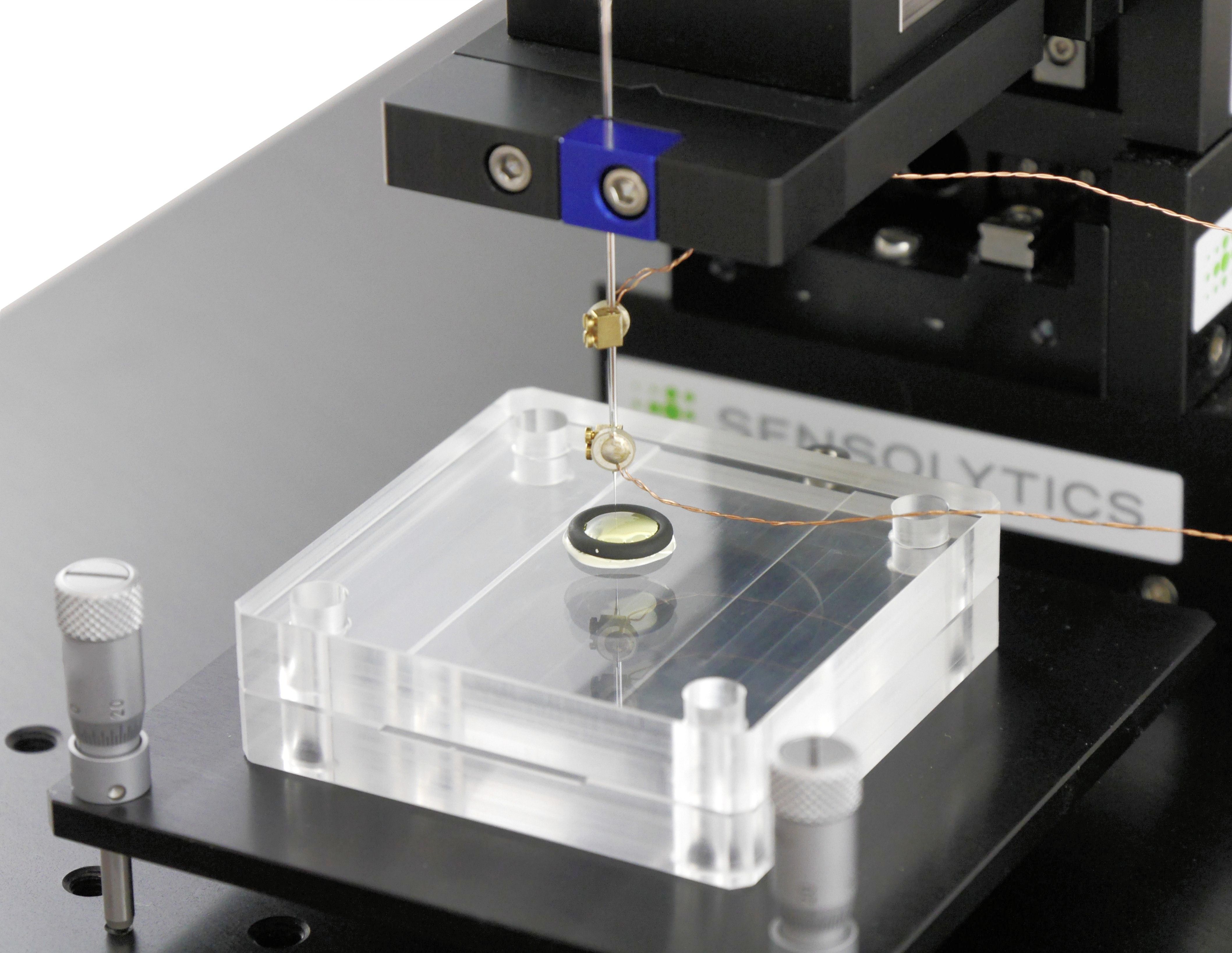
Option Shearforce enables the constant-distance mode (cd-SECM) operation in SECM, allowing reliable measurements when working with small probes or non-flat, structured, or mechanically sensitive surfaces. It requires the Sensolytics Option High-Res and is implemented as an add-on module without requiring changes of the core system.
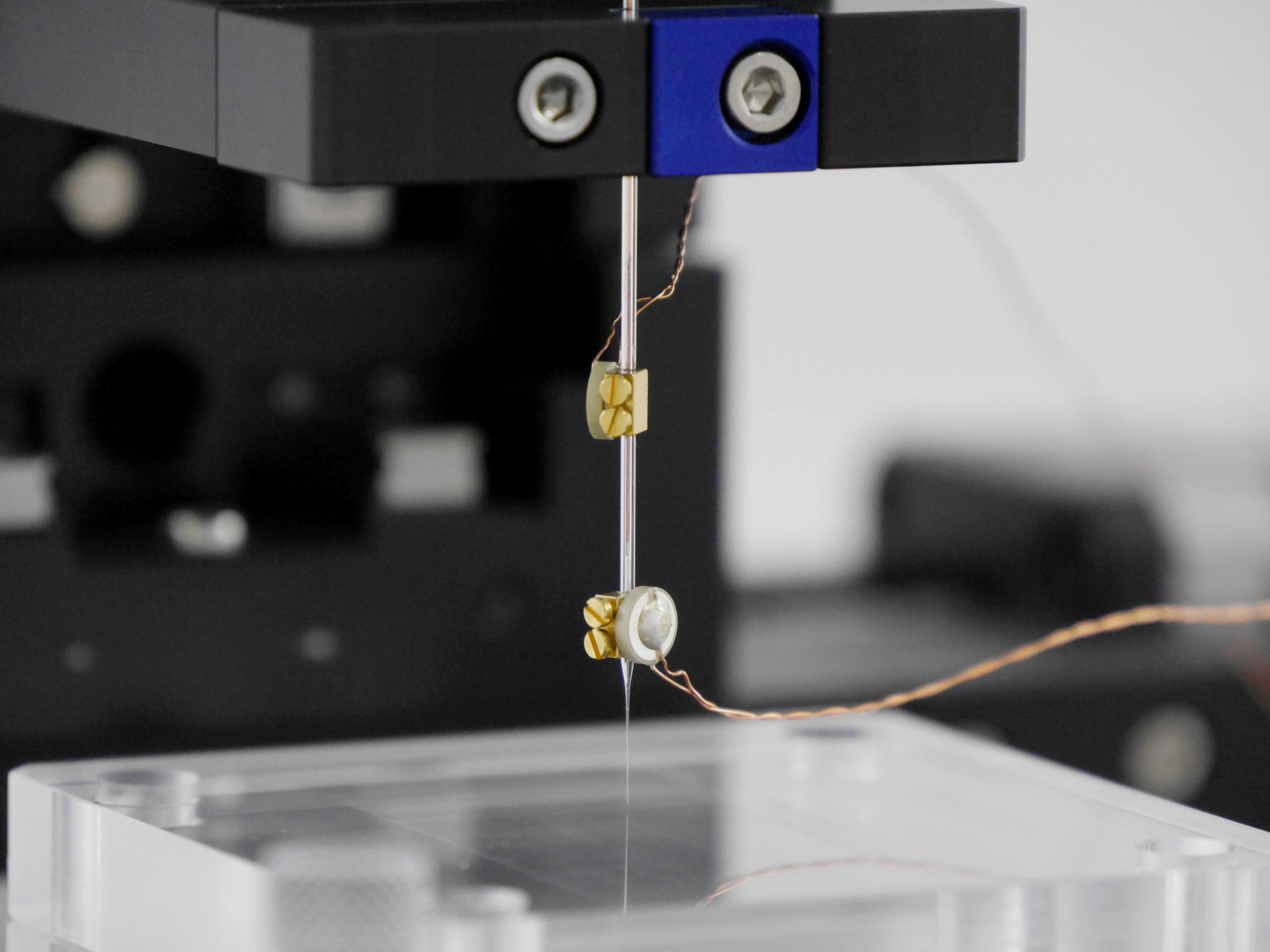
Distance control in Option Shearforce is achieved through a laterally vibrating nanoelectrode: As the SECM probe approaches the surface, short-range shearforce interactions alter the amplitude and phase of the vibration. This signal is used as a feedback parameter to continuously regulate the tip–sample separation during the scan. Prior to the measurement of a specific sample area, a shearforce-based approach curve is recorded to define the working distance. A setpoint is selected and during the scan, the system adjusts the vertical position of the probe at each point to maintain this setpoint value. The probe thus follows the contour of the sample surface being examined and plotting the z-position at which the setpoint value was reached against the x-y coordinates allows for a visualization of the sample topography. Typical working distances in Sensolytics systems range from 50 to 300 nm, depending on the probe and experimental conditions. In addition to continuous cd-SECM operation, the Option Shearforce enables 4D SECM measurements by performing a shearforce-based approach curve at every scan position followed by retraction steps during which electrochemical data is acquired. This allows the probe to be positioned with nanometer precision at multiple predefined working distances far beyond the typical shearforce interaction range. Due to this detection principle, multiple SECM maps at controlled tip–sample separations are achieved, which is particularly beneficial for topographically complex sample surfaces or for the visualization of complete diffusion profiles that extend far into the measuring solution.
Since the distance between the tip and the sample is controlled by changes in the amplitude and phase of the probe vibration rather than by the current, as in conventional SECM modes, the shearforce-based constant-distance mode allows the deconvolution of topographical and electrochemical activity signals, enabling more accurate mapping of local activity. This option is designed for the application with Sensolytics nanoelectrodes configured for controlled lateral vibration and includes system integration, calibration, and hands-on training to support reproducible operation.
Key Features
- Shearforce-based distance control: Maintains a defined tip-sample separation (typically 50–300 nm) using vibration-based feedback during the scan.
- Topography and activity deconvolution: Decouples surface height variations from the local electrochemical activity response.
- Ongoing distance regulation during scans: Tip position is dynamically adjusted at each measurement point to maintain constant separation across the scan area.
- Improved stability at small distances: Supports reliable measurements close to the surface while reducing the risk of tip damage.
Technical Specifications
Sensolytics Base SECM
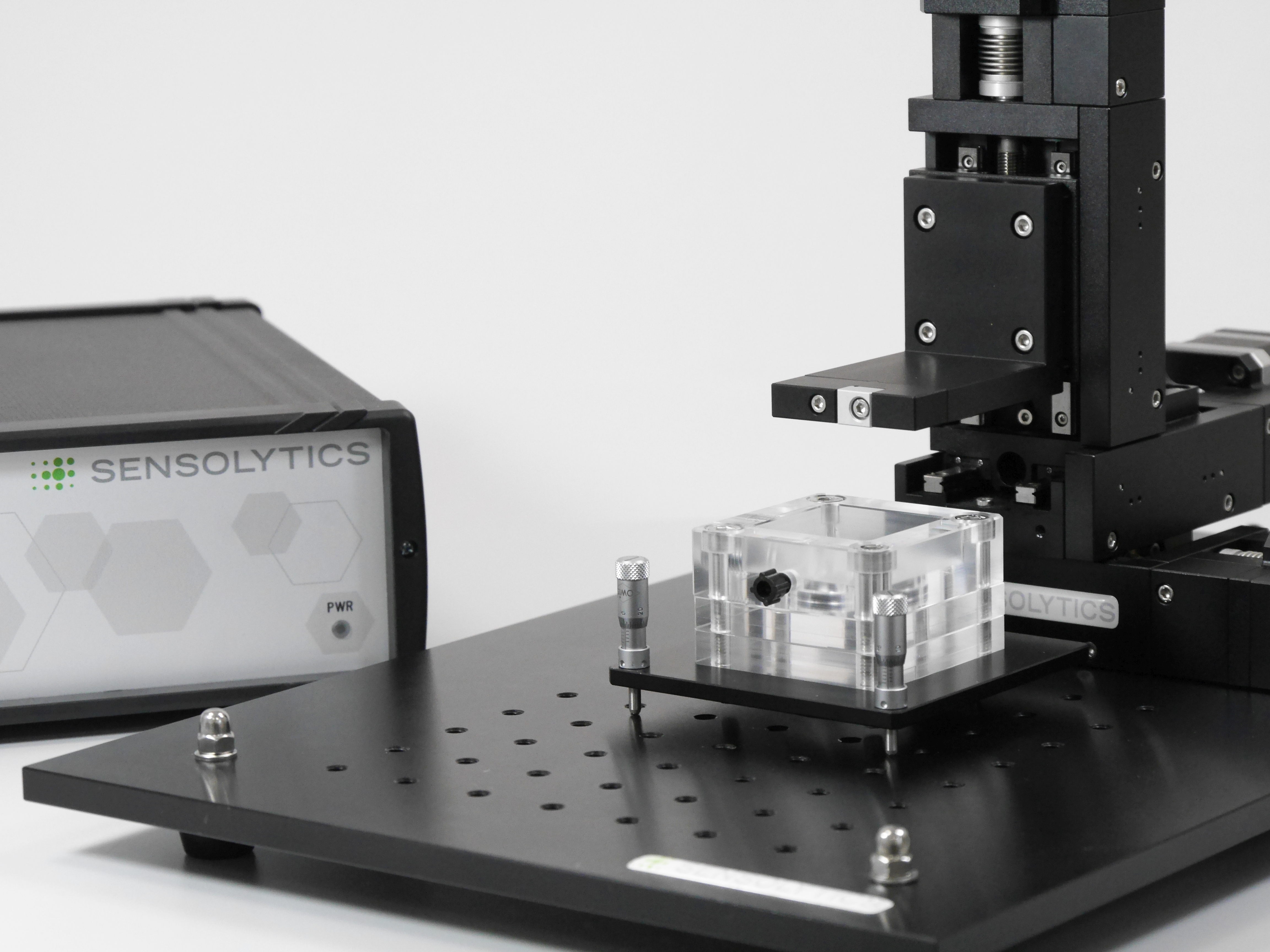
The complete scanning electrochemical microscopy (SECM) system providing high-resolution XYZ positioning, and intuitive software control for spatially resolved electrochemical measurements.
Explore →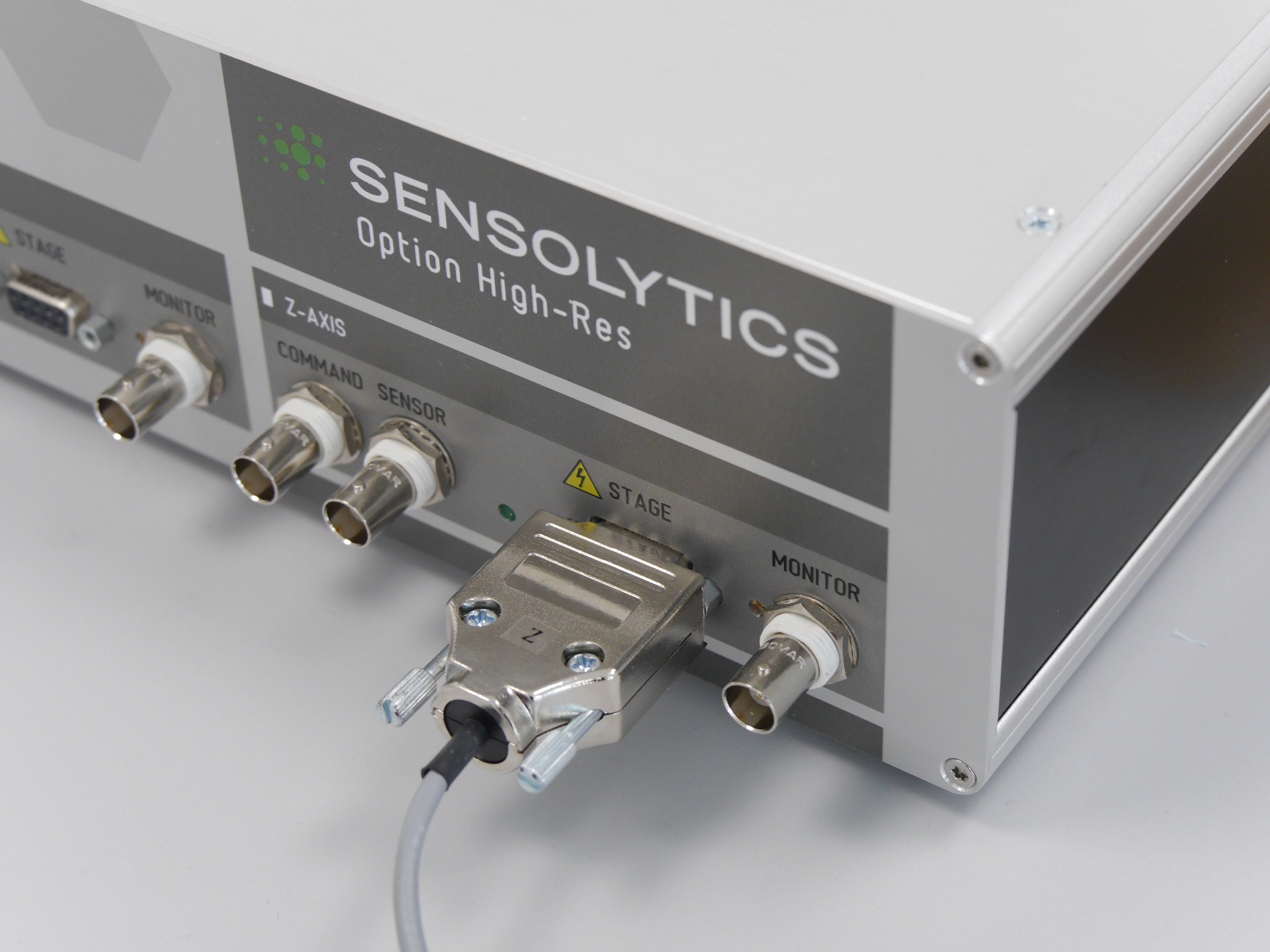
Option High-Res
Upgrade to a closed-loop piezoelectric positioning system for nanometer-scale imaging. The module provides 1.5 nm nominal resolution and 0.2 nm repeatability, using Silicon HR sensor for position feedback and enables software-based tilt correction.
Explore →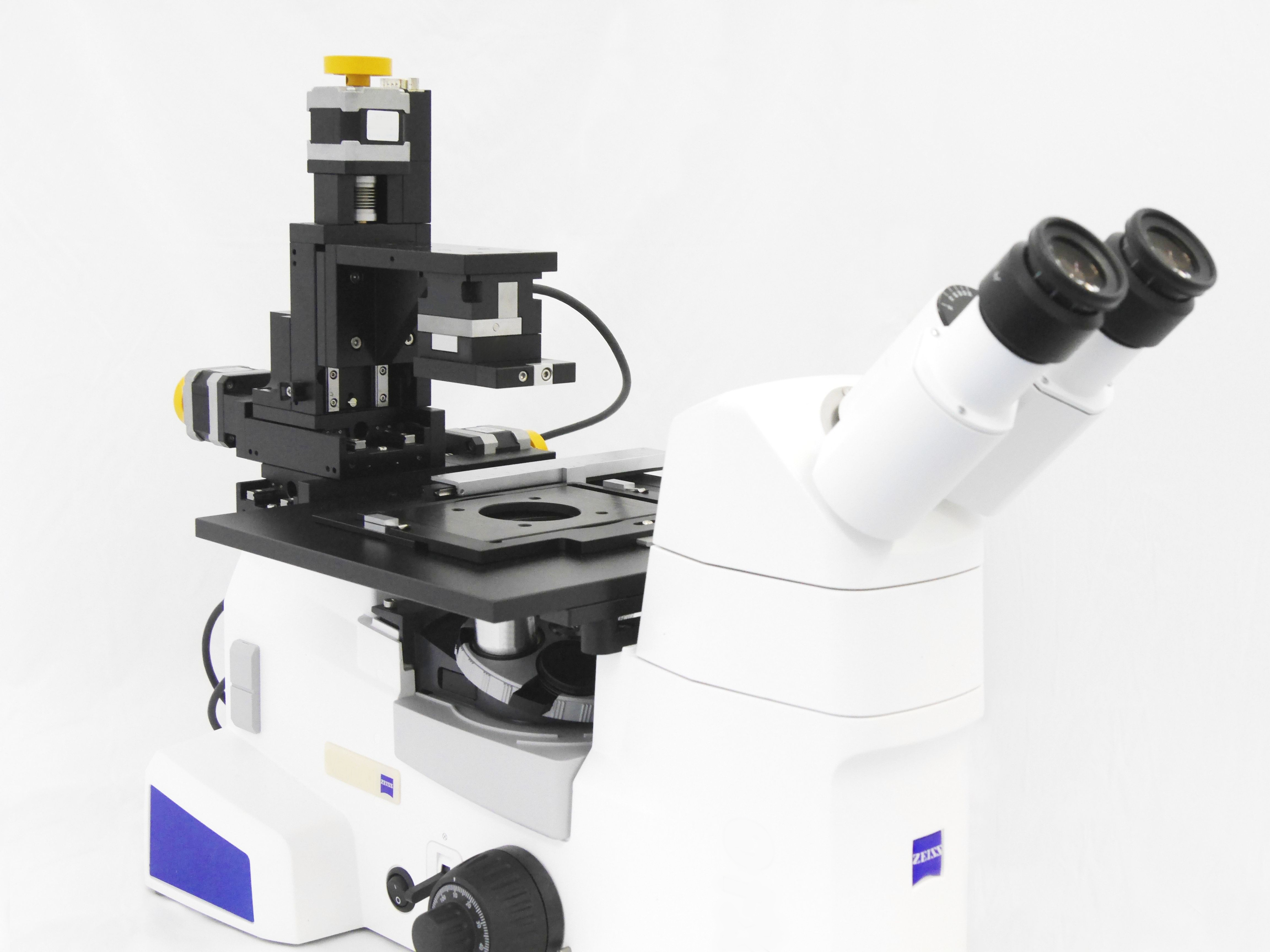
Inverted Microscope Upgrade
Mount the SECM system directly onto standard inverted optical microscopes. This configuration is ideal for applications that require simultaneous electrochemical mapping and optical observation of biological or transparent samples.
Explore →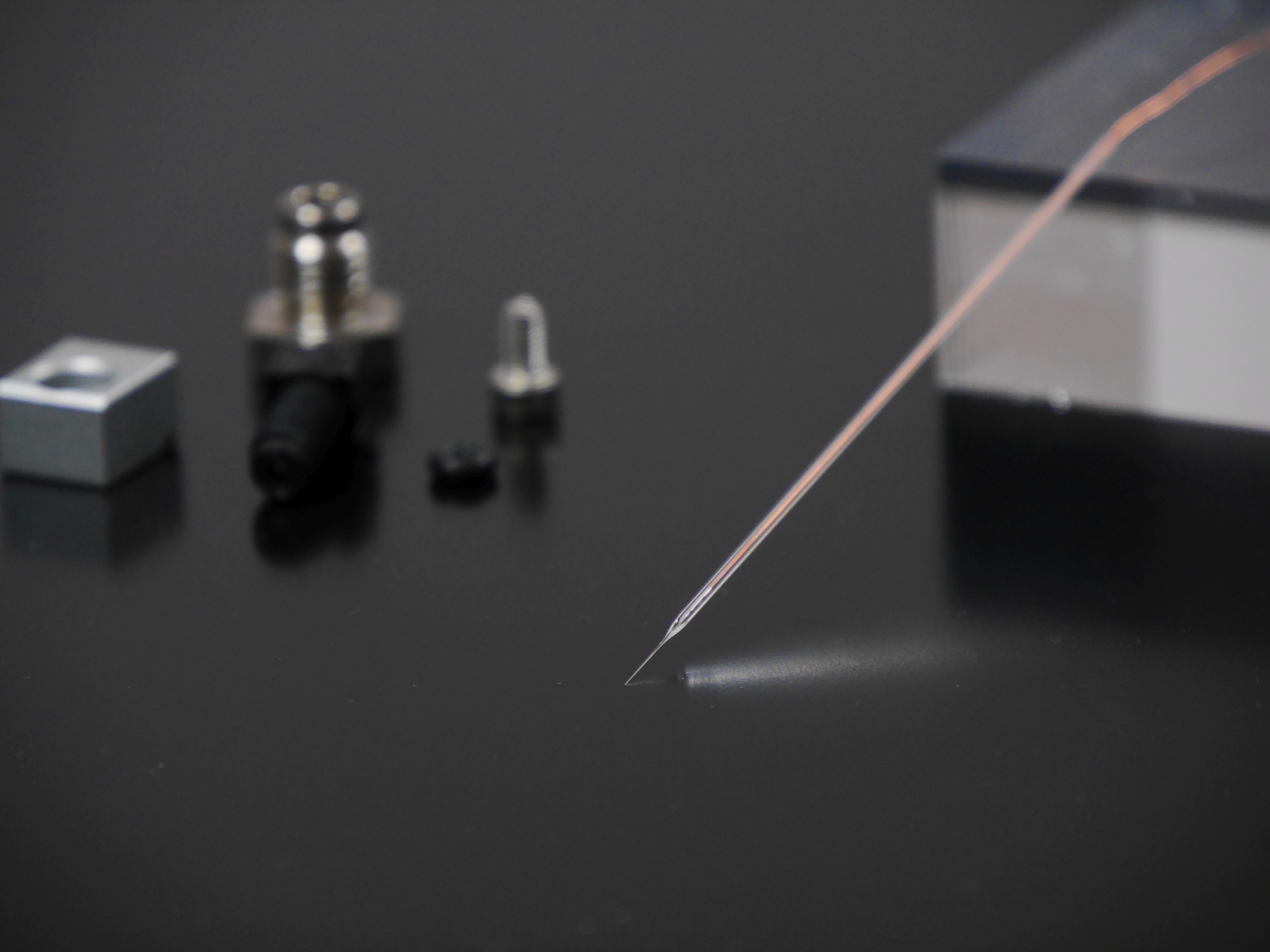
Nanoelectrodes
Nanoelectrodes enable electrochemical measurements at the nanometer scale with minimal perturbation, allowing the investigation of confined regions and highly localized electrochemical activity.
Explore →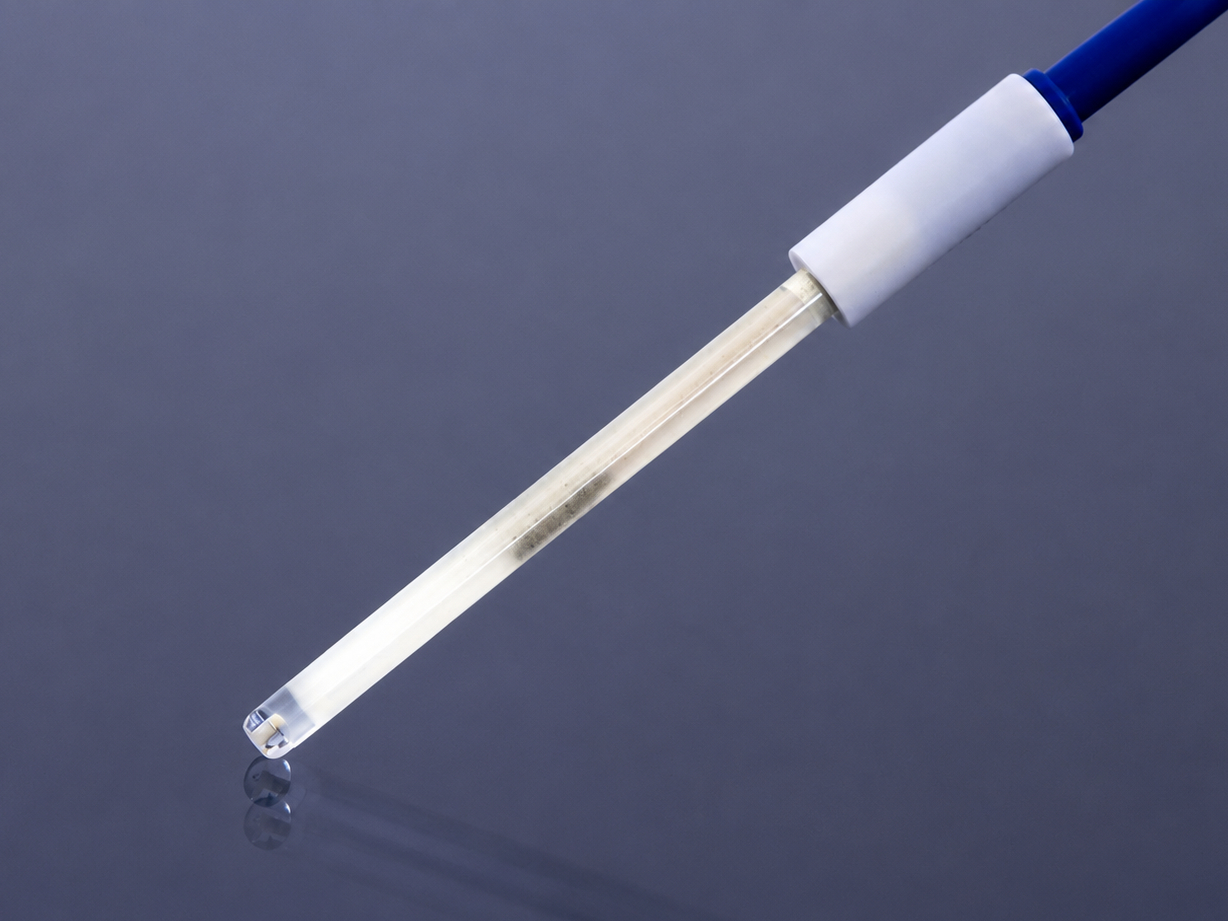
Ag/AgCl gel reference electrode
Miniaturized Ag/AgCl gel reference electrode for stable reference potentials. Optimized for the direct use in Sensolytics measuring cells.
Explore →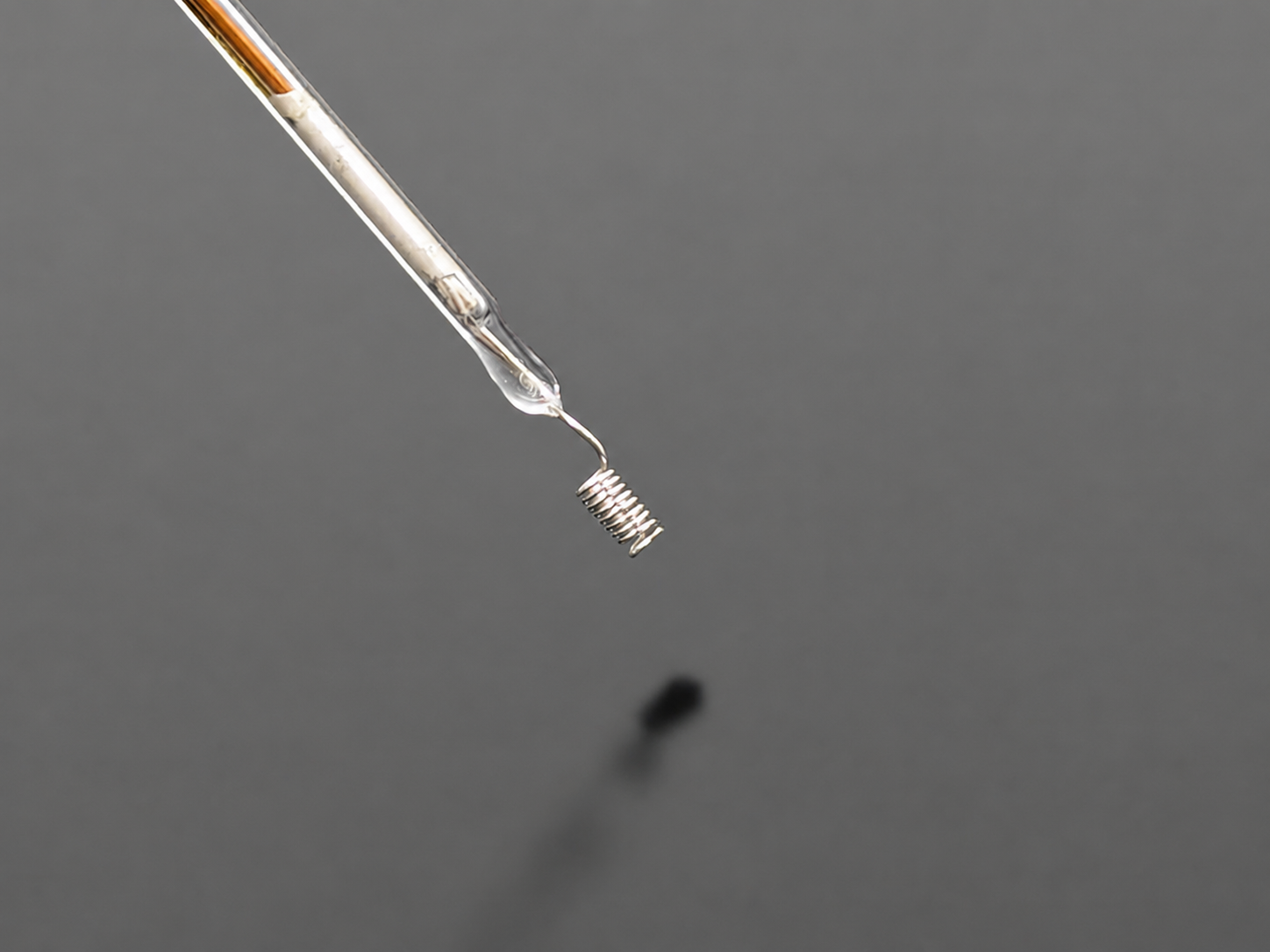
Platinum counter electrode
Miniaturized platinum counter electrode based on coiled high-purity Pt wire. Designed for all Sensolytics SECM measuring cells and SDC configurations.
Explore →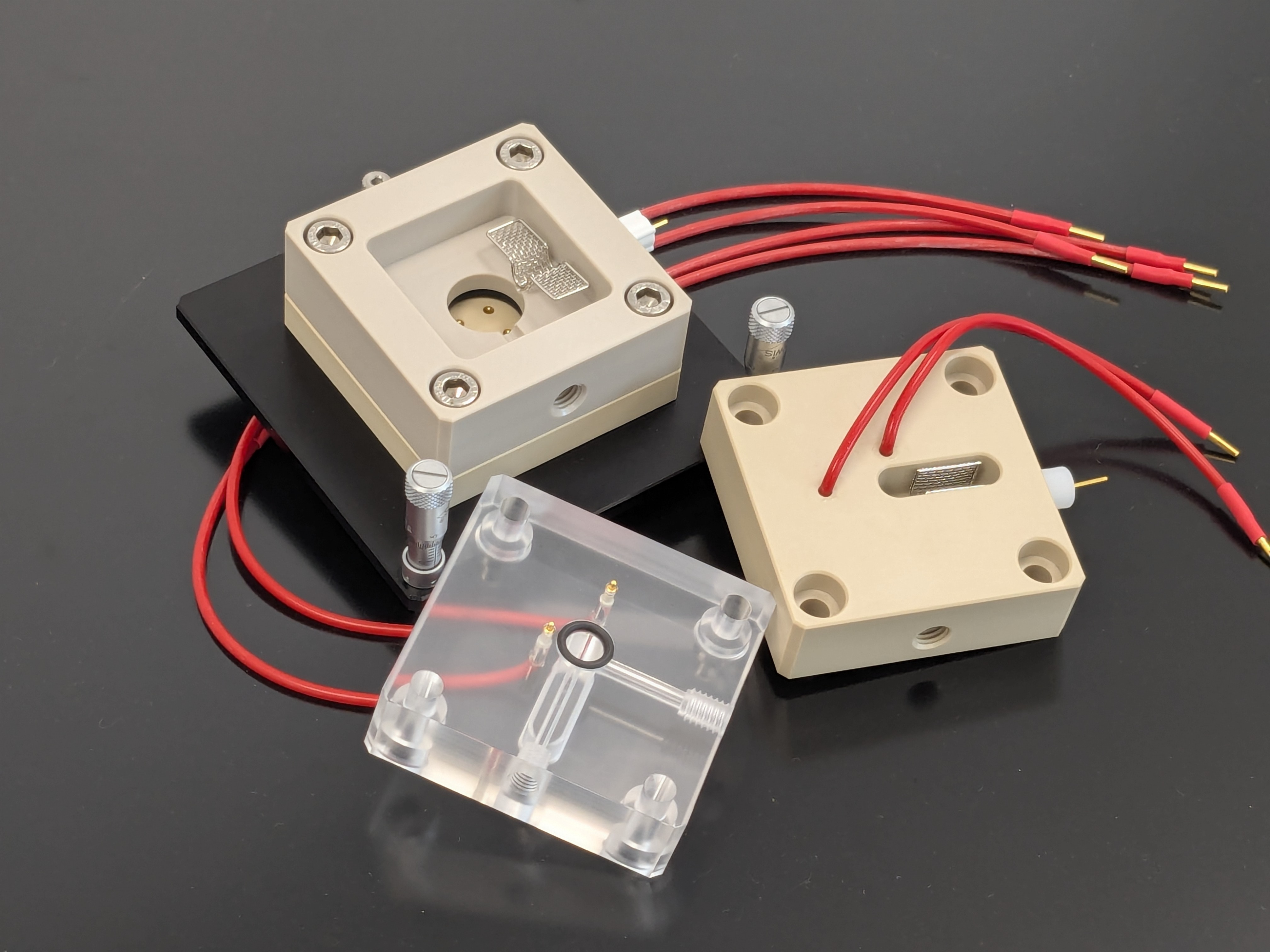
Polarization Cells
These electrochemical cells enable controlled sample polarization from the top or bottom and support the operation with macroelectrodes serving as substrates.
Explore →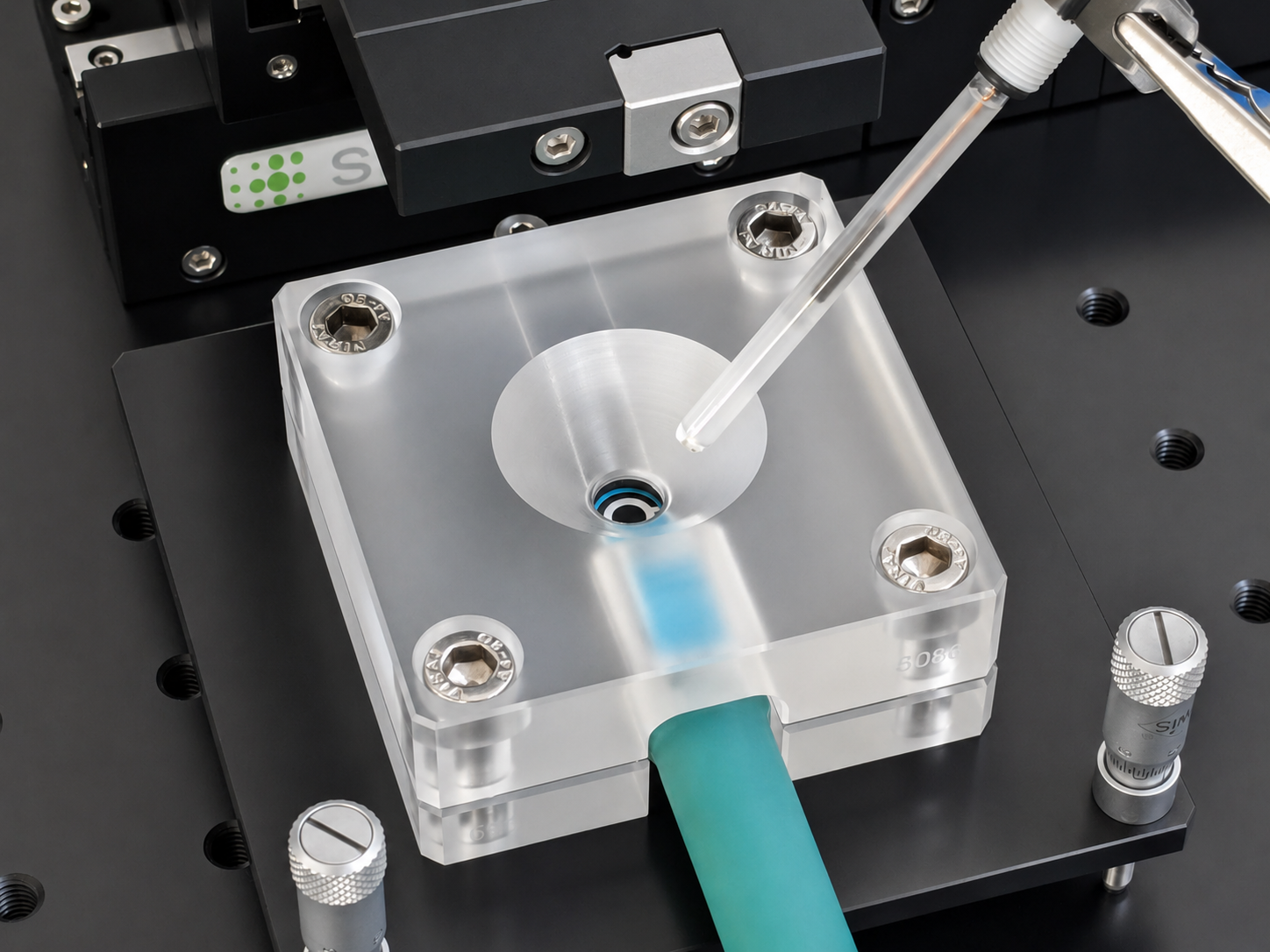
Specialized Cells
Our range of specialized SECM cells is tailored for application-specific experiments, including complete measuring cells optimized for screen-printed electrodes, temperature-controlled studies, and flow or gas-controlled experiments.
Explore →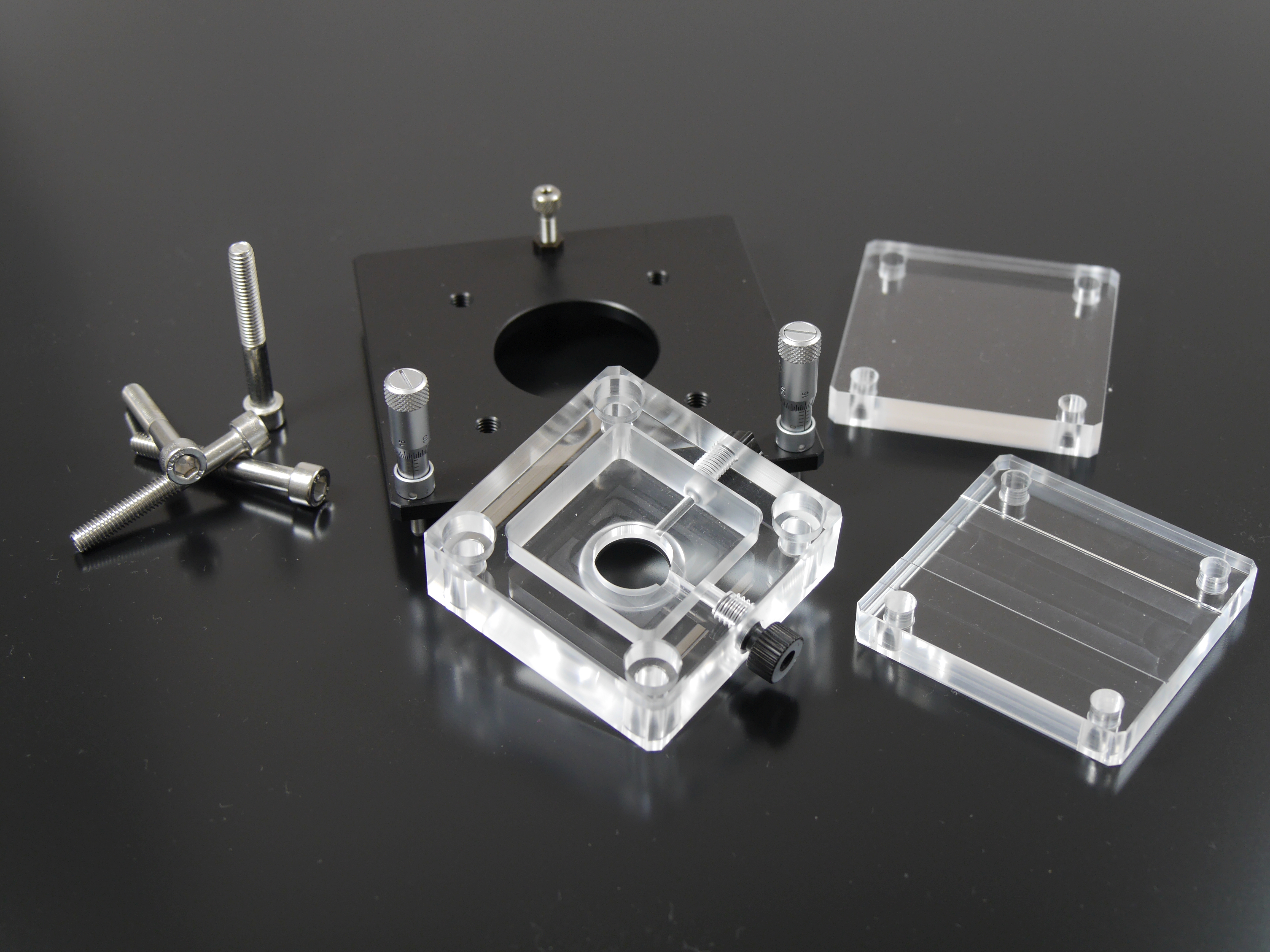
Standard Cells
Start with a complete electrochemical cell setup, including a baseplate for manual tilt correction, distance plates, and cells with integrated inlets for reference and counter electrodes. Available in standard PMMA or highly chemically resistant PEEK.
Explore →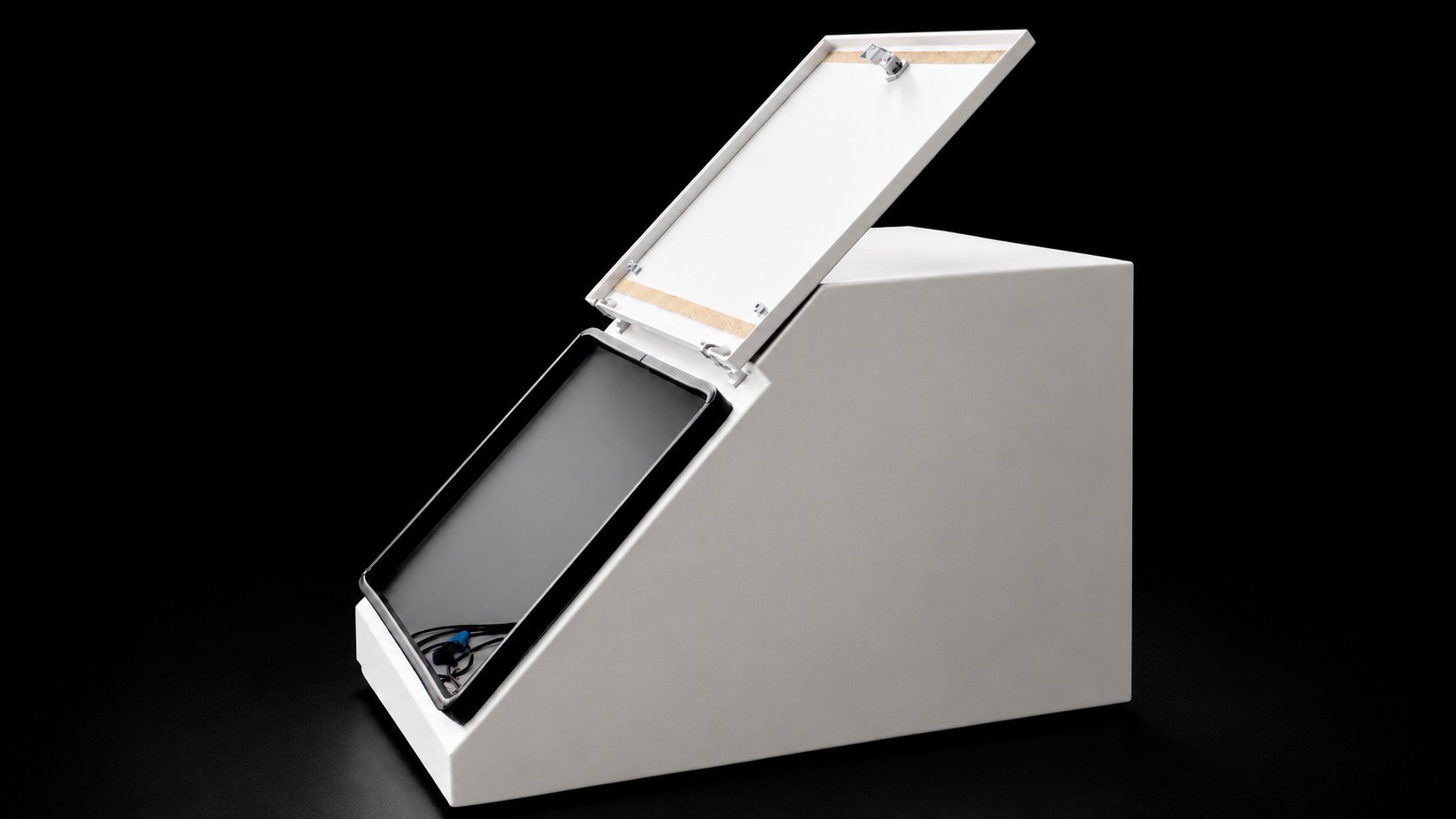
Faraday Cages
Built from robust varnished steel and optimized for Sensolytics SECM and SDC systems, our Faraday Cages are designed to ensure low-noise measurement conditions for high-sensitivity electrochemical experiments, maintaining convenient access for cables and instrumentation.
Explore →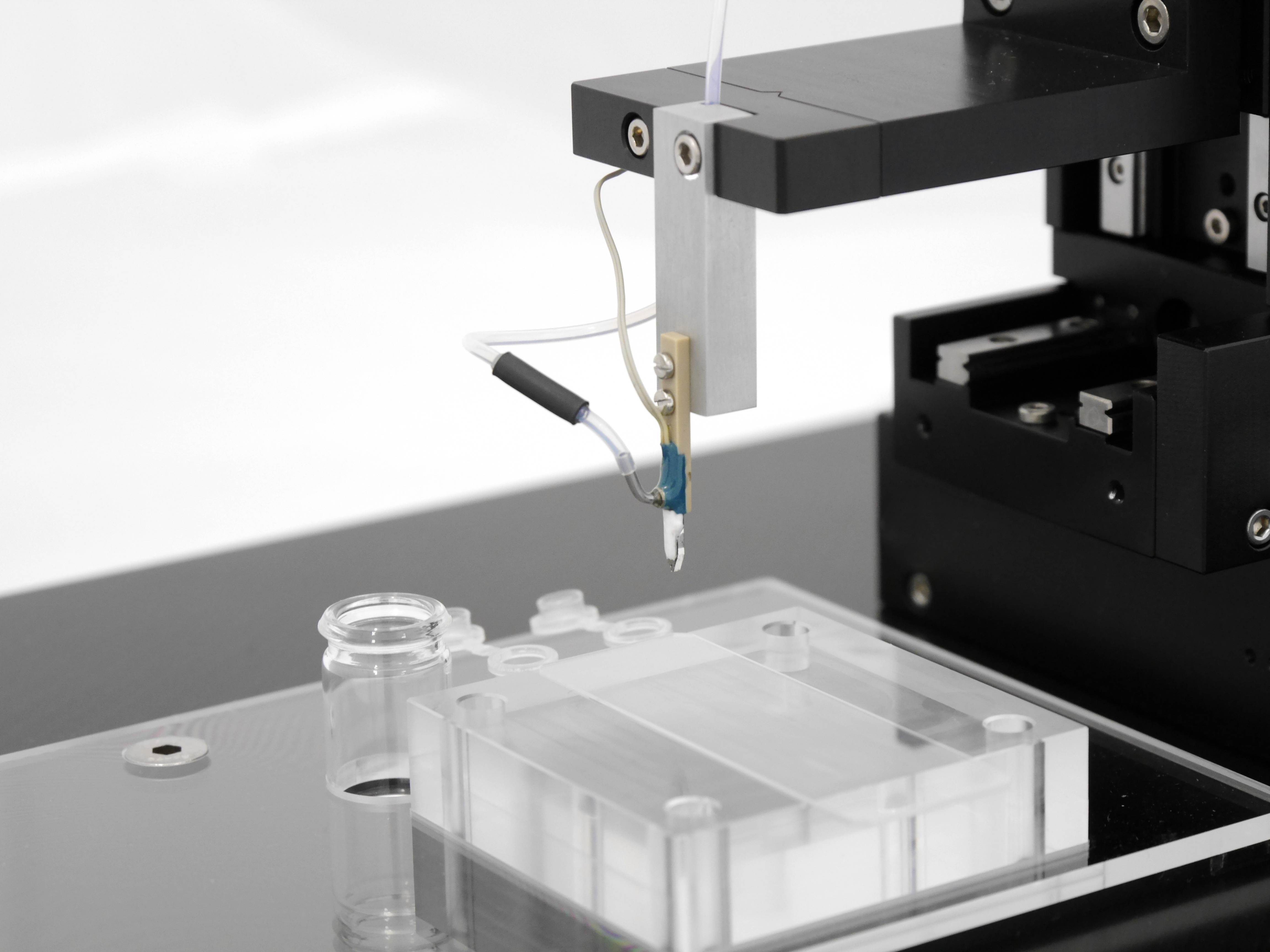
Picoplot Dispender
Piezoelectric dispensing system for precise deposition of picoliter droplets, enabling preparation of material libraries, combinatorial samples, and controlled placement of functional solutions.
Explore →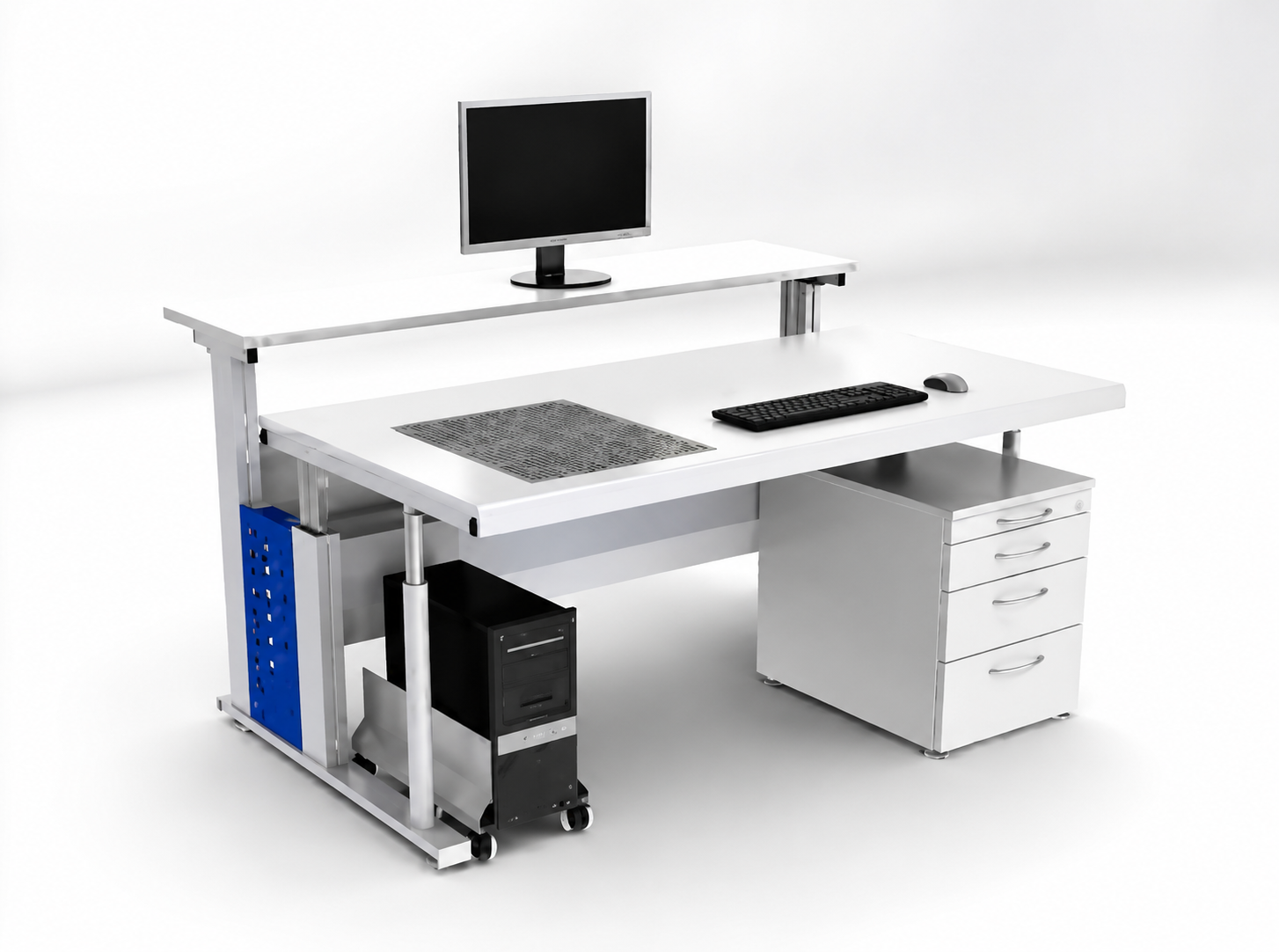
Measuring Station
Built for high-precision electrochemical applications, the Measuring Station minimizes the influence of external vibrations through passive isolation and a dedicated granite slab integration.
Explore →Not sure which SECM configuration fits your experiment?
Contact us to discuss your application, experimental conditions, and configuration requirements. We support system selection and customization based on your individual requirements and future upgrades.
Frequently Asked Questions
Shearforce is an advanced SECM distance control method based on the interaction between a laterally vibrating nanoelectrode and the sample surface.
In the Sensolytics setup, the probe is driven into controlled lateral vibration by a piezo actuator, while a second piezo element detects the changes in the vibration signal (amplitude and phase). As the probe approaches the surface, these interactions modify the vibration response of the electrode as a function of the tip-surface distance. This signal is used as a feedback parameter to continuously adjust the vertical tip position, enabling stable control of the tip-sample separation during the scan.
In constant-current distance control, the tip current itself is used as the feedback signal, meaning the control of the tip-surface distance depends on the electrochemical response of the system.
In shearforce-based distance control, the distance between the probe and the surface is regulated independently of the electrochemical signal, using feedback information derived from the damping of the vibration of the nanoelectrode (amplitude and phase), which depends on the distance between the probe and the sample. This allows the topography to be decoupled from the electrochemical activity of the sample, making it easier to obtain more reliable measurements on heterogeneous surfaces.
Shearforce is used when constant-height SECM is not reliable due to surface topography or probe sensitivity, for instance when the characteristic height variation of the sample is comparable to or larger than the working distance.
Typical application cases of shearforce include:
- Rough or tilted samples: where height variations exceed the working distance (e.g. corrosion pits, coatings, metal defects, porous membranes)
- Quantitative kinetic measurements: Required when a well-defined and constant tip-sample distance is needed, enabling reliable comparison of local electrochemical activity independent of the surface topography.
- Measurements with nanoelectrodes, where small distance changes strongly affect the electrochemical signal
- Soft or delicate samples (e.g. biological interfaces) where controlled non-contact operation is required
In the Sensolytics Option Shearforce, typical working distances are in the range of 50-300 nm, depending on probe geometry, vibration conditions, and the experimental setup.
The working distance is defined through shearforce approach curves and maintained during the scanning via the feedback loop, ensuring consistent tip-sample separation across the measurement.
