




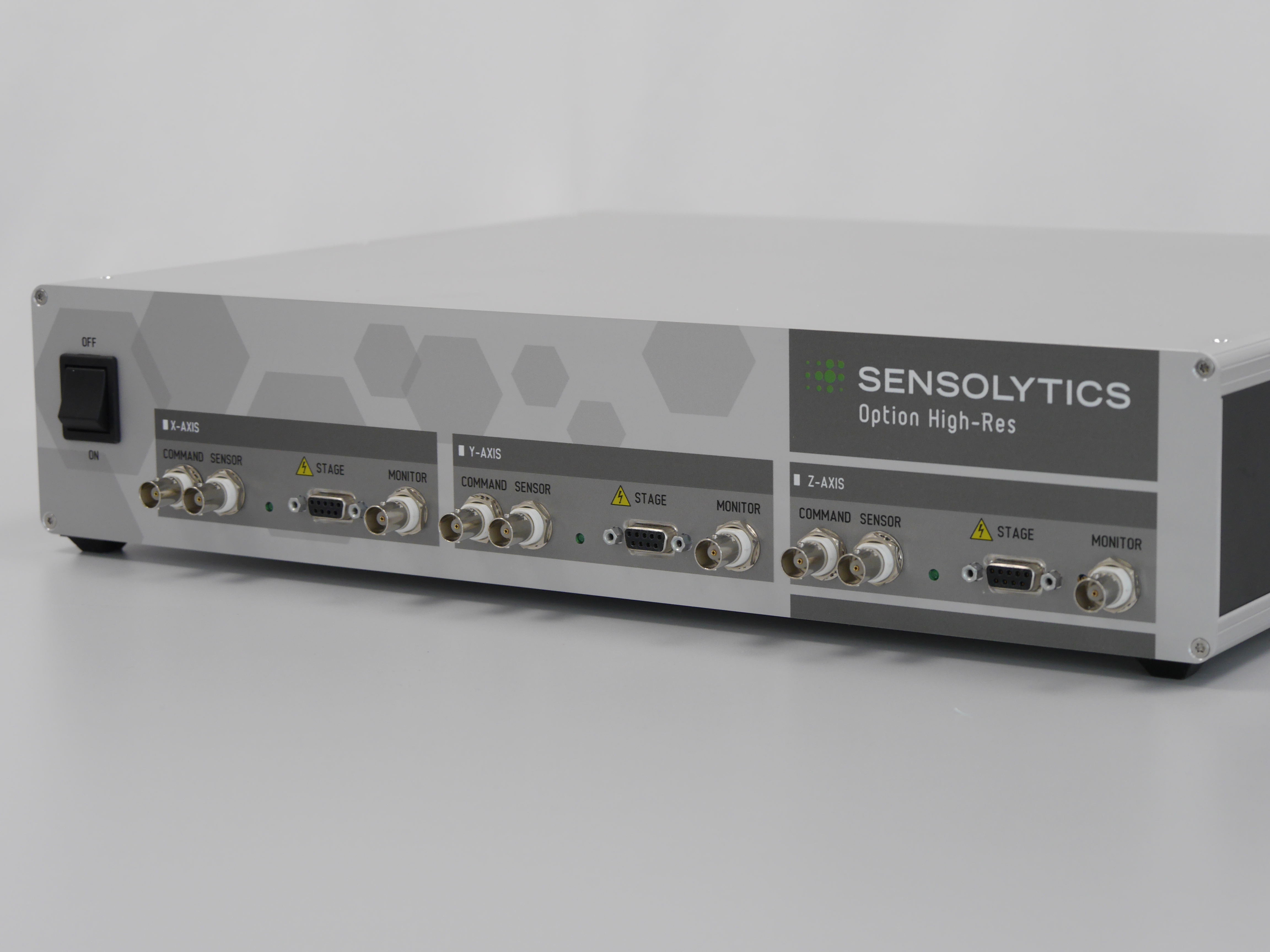
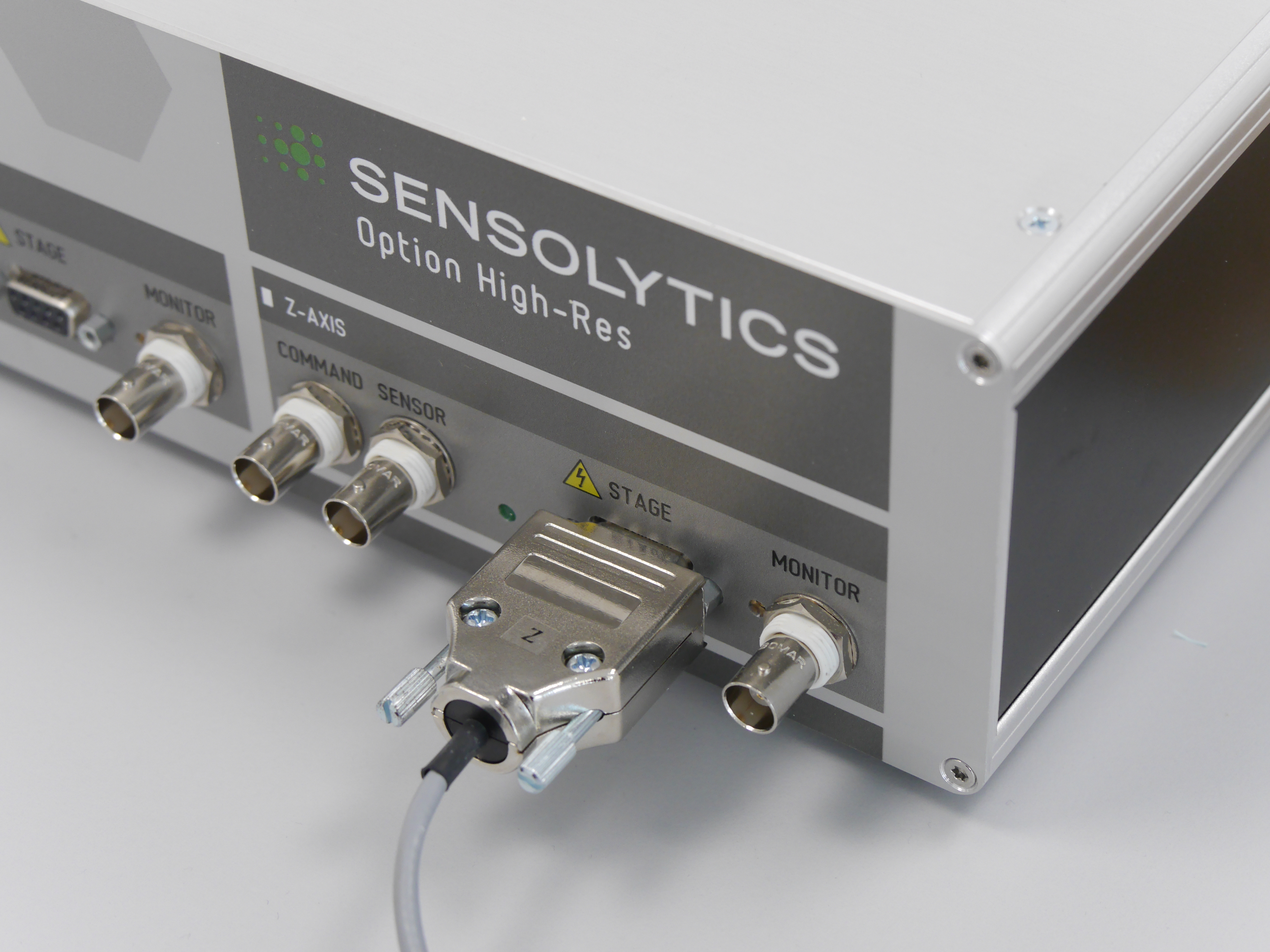
Option High-Res
Improve the spatial precision of your SECM system by integrating a piezoelectric positioning system, to achieve a resolution down to 1.5 nm and a repeatability of 0.2 nm for high-resolution SECM measurements.
High-Resolution Piezo Positioning for SECM
The Option High-Resolution extends the Sensolytics Base SECM with a piezoelectric positioning system integrated at the probe holder. The piezo stage enables high-precision motion of the probe along the X, Y, and Z axes with a travel range of 100 µm per axis, providing controlled positioning at the nanometer scale during scanning and tip approach operations.
By using a closed-loop control with a silicon HR sensor, the system offers a nominal resolution of 1.5 nm and a repeatability of 0.2 nm. The closed-loop feedback compensates for the hysteresis and drift of the piezoelectric sensor, ensuring repeatable probe positioning and consistent results across successive measurements.
Option High-Res also includes automatic software-based tilt correction integrated into the SECM software to compensate for sample tilt. The system determines the surface plane based on three reference positions and automatically adjusts the probe height during the scan. As a bridge between classical constant-height mode imaging and true constant-distance mode (see Option Shearforce ↗), this feature ensures that an influence of a sample tilt on the working distance between the tip and the substrate will be minimized and measurement errors in constant-height scans are therefore significantly reduced.
Key Features
- Nanoscale positioning: The piezoelectric XYZ positioning integrated into the probe holder enables precise control of the tip position during approach and scanning.
- Automatic tilt-correction: Software-based tilt correction maintains consistent tip–sample distance across the scan area.
- Optimized for small probes: Supports stable measurements with ultramicro- and nanoelectrodes, where positioning accuracy is critical.
- Modular Architecture: Extends the Base SECM without changes to the existing positioning stage and electrochemical setup.
Technical Specifications
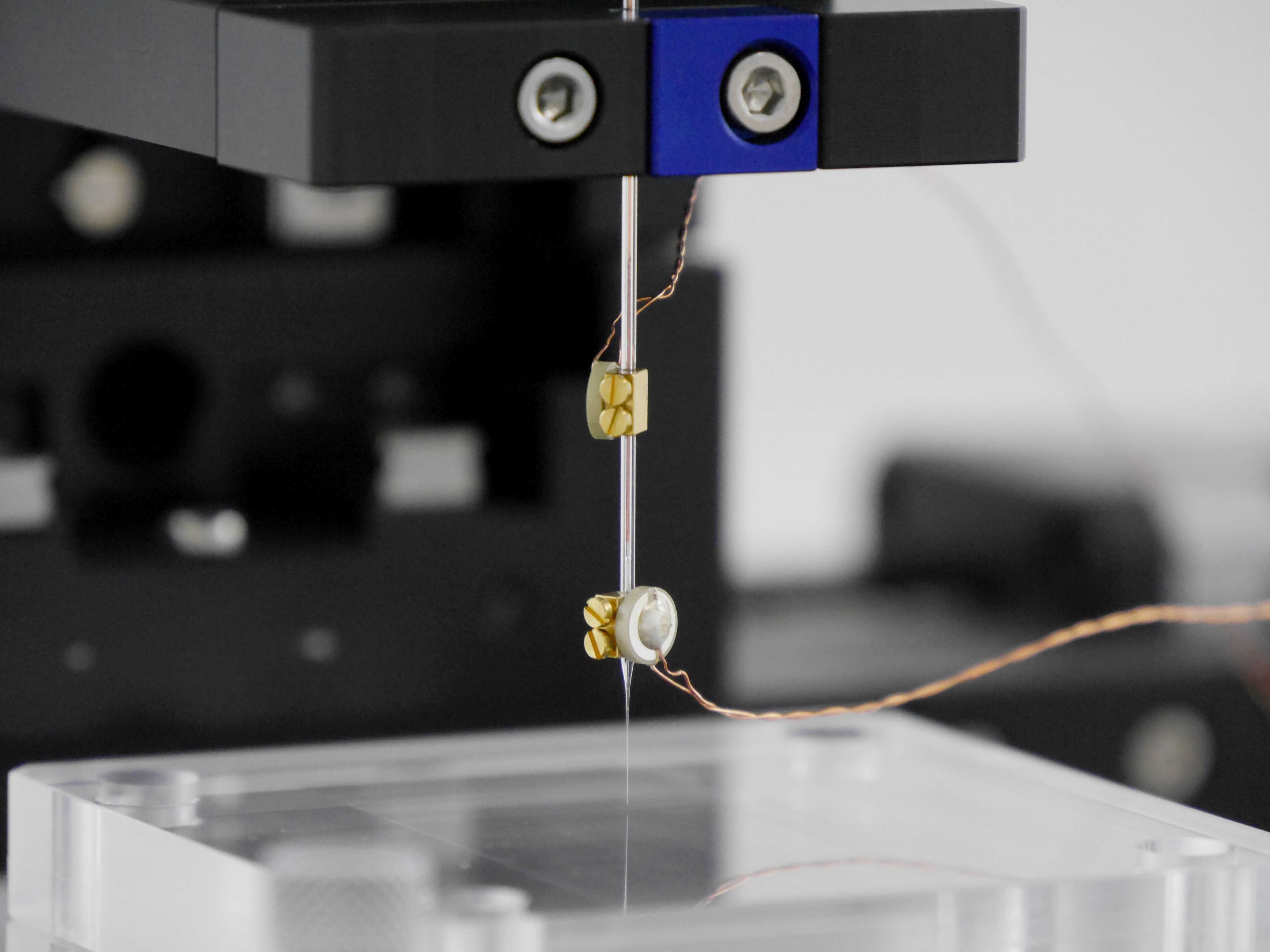
Option Shearforce
Option for integrating shearforce-based constant-distance mode imaging for a deconvolution of topographic and electrochemical activity signals, supporting measurements on rough surfaces and substrates with structural features below 1 µm.
Explore →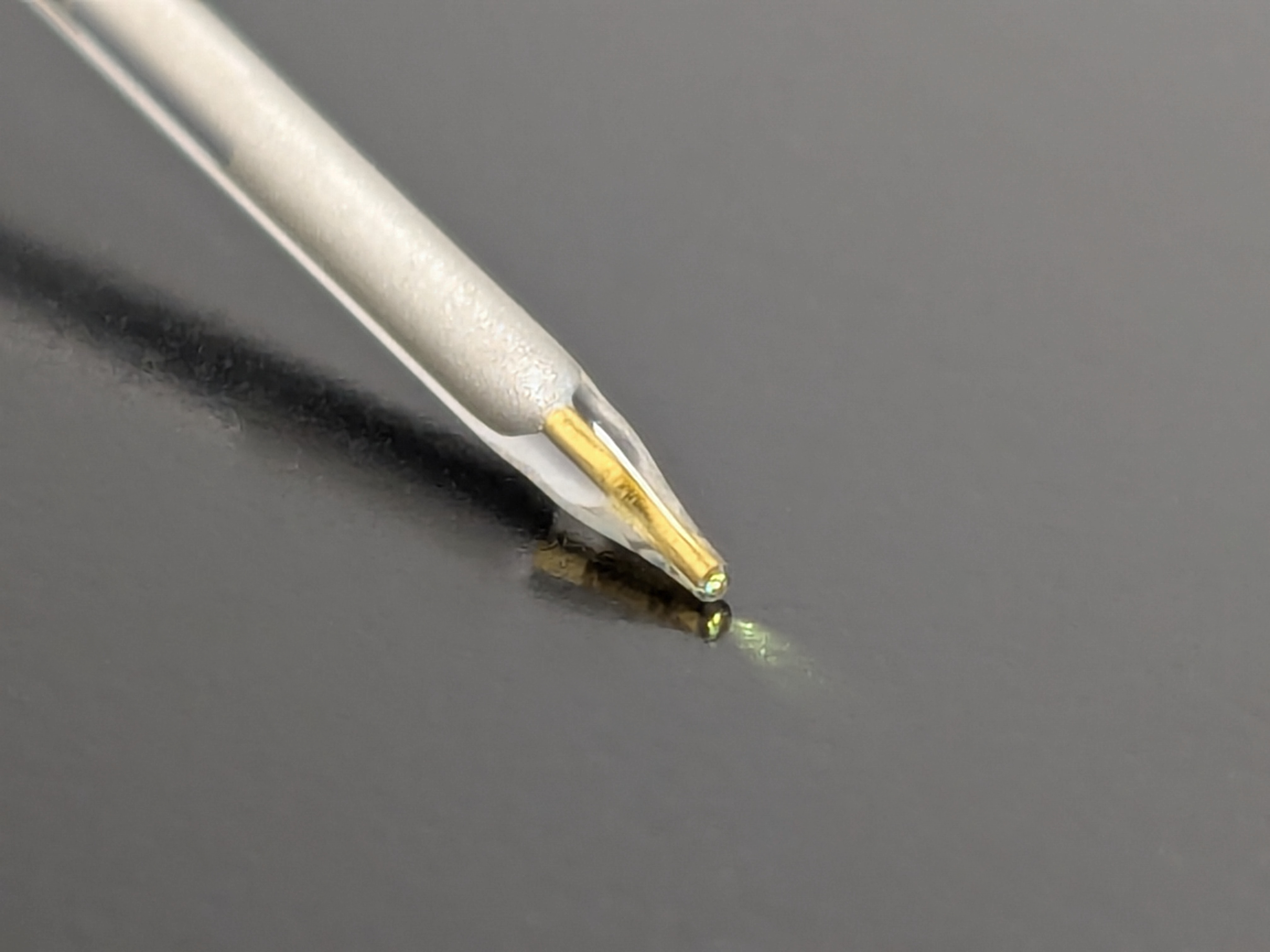
Option SPECM
By integrating an optical fiber with a concentric gold ring electrode, the scanning photoelectrochemical microscopy (SPECM) module enables spatially resolved measurements in light-responsive materials by combining local illumination with electrochemical analysis.
Explore →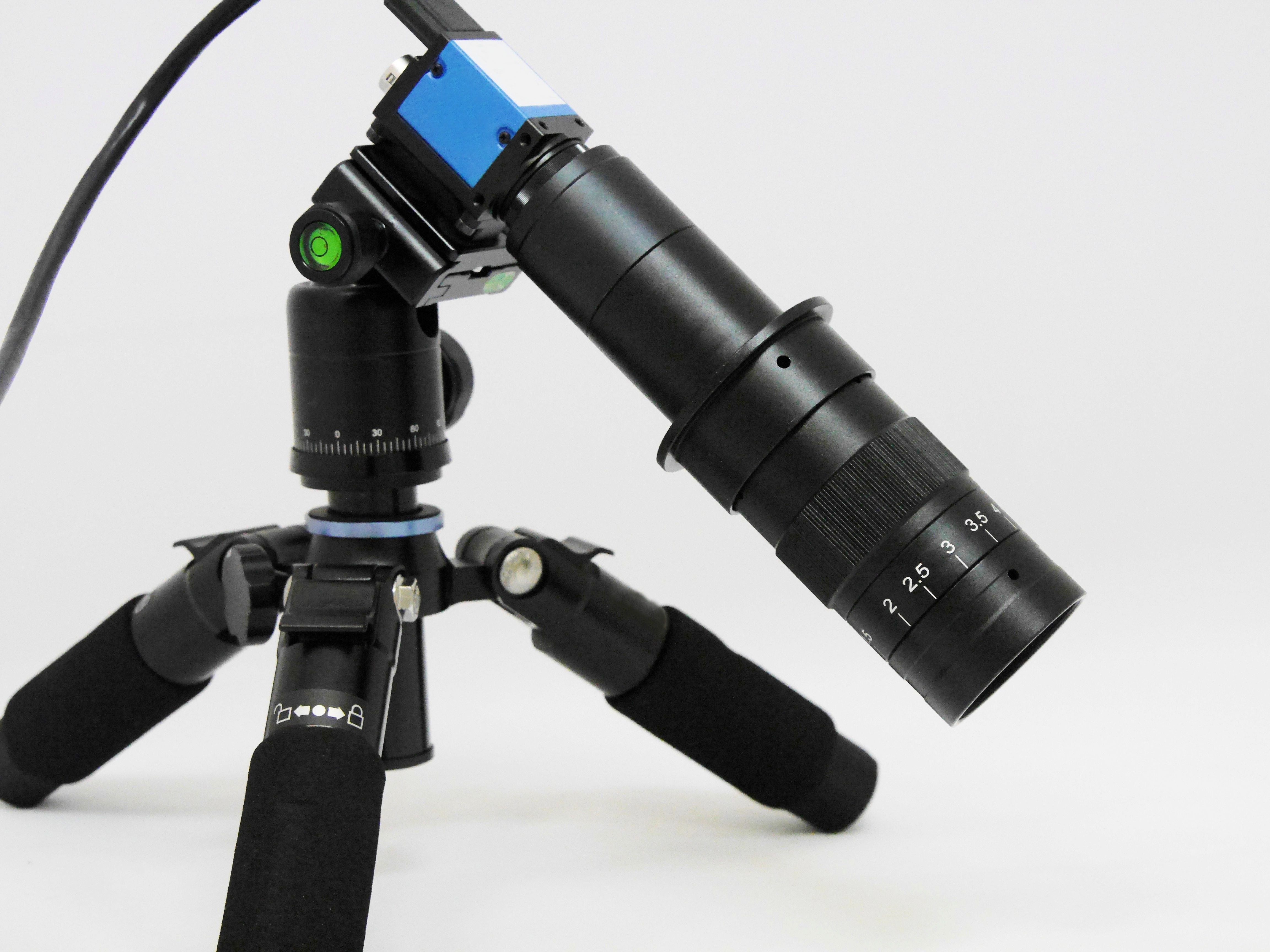
Option Video
The video macro system enables visual control of the sample alignment and probe positioning. It includes a manual zoom objective (1:0.7-4.5) with monochrome USB CCD camera, mounted on an independent stand for live view of the tip-sample interface.
Explore →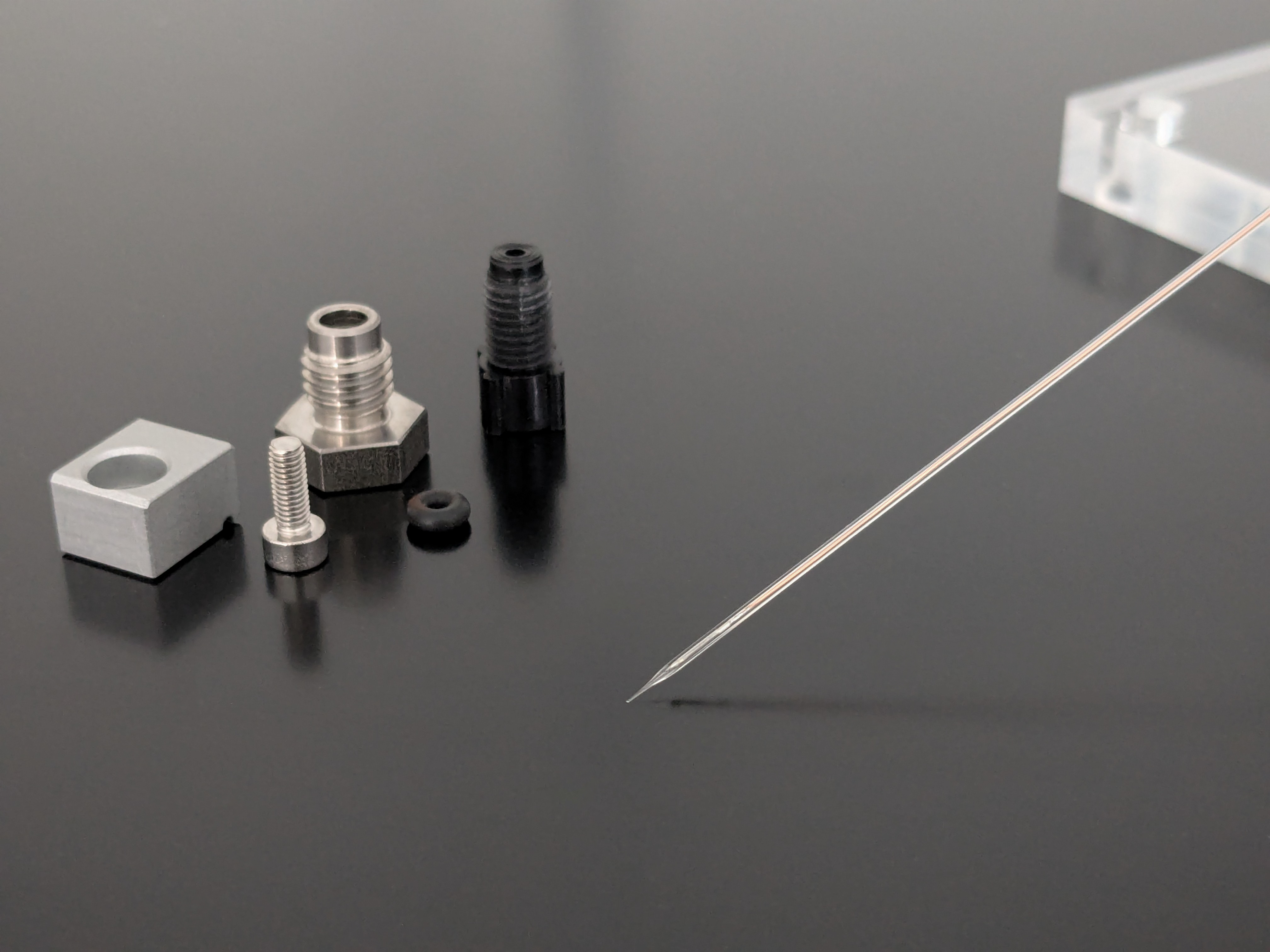
Ultramicroelectrodes
Ultramicroelectrodes made of different electrode materials enable high spatial resolution and fast steady-state currents, minimizing capacitive contributions and supporting quantitative analysis of localized kinetics and mass transport processes.
Explore →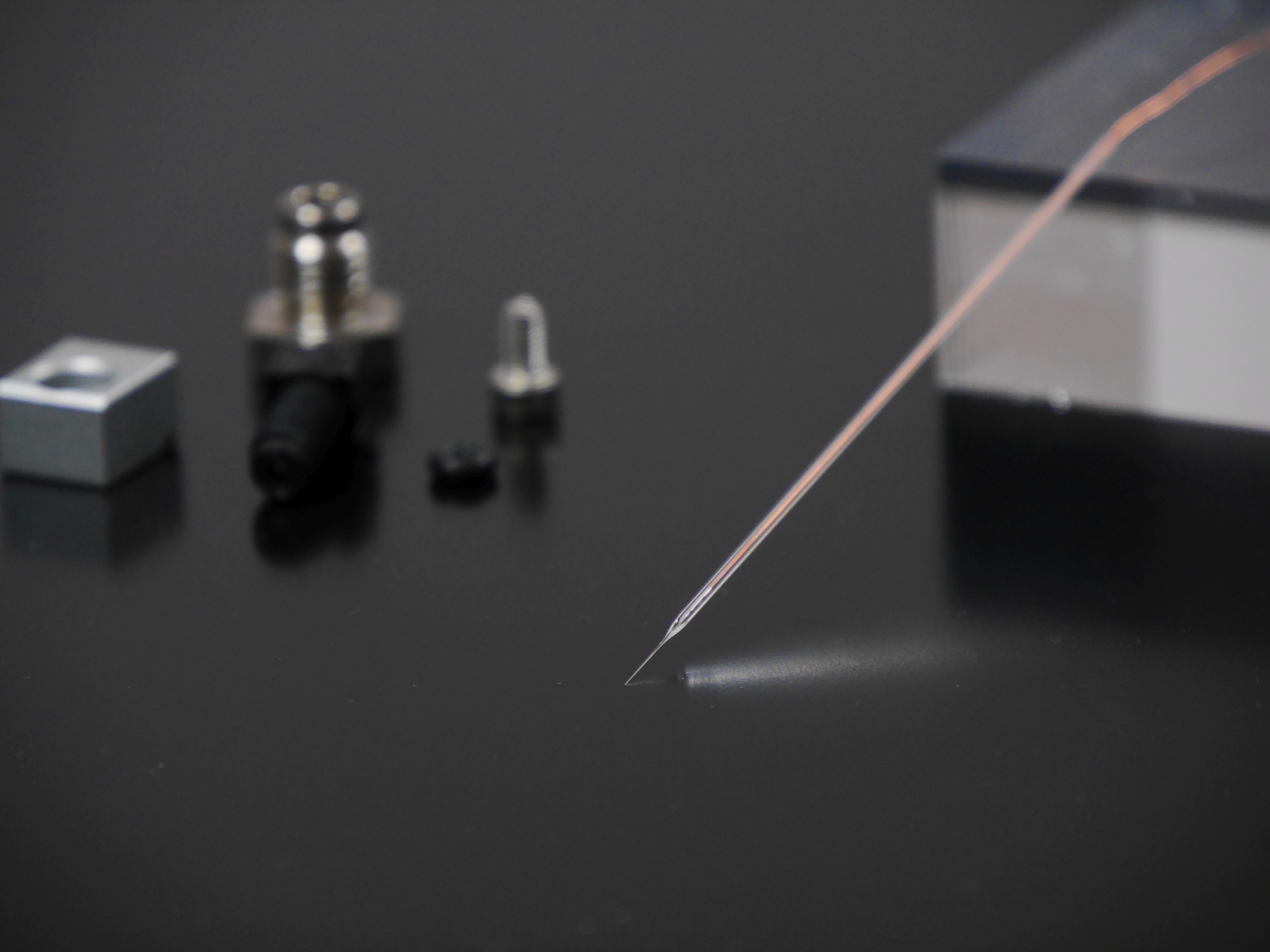
Nanoelectrodes
Nanoelectrodes enable electrochemical measurements at the nanometer scale with minimal perturbation, allowing the investigation of confined regions and highly localized electrochemical activity.
Explore →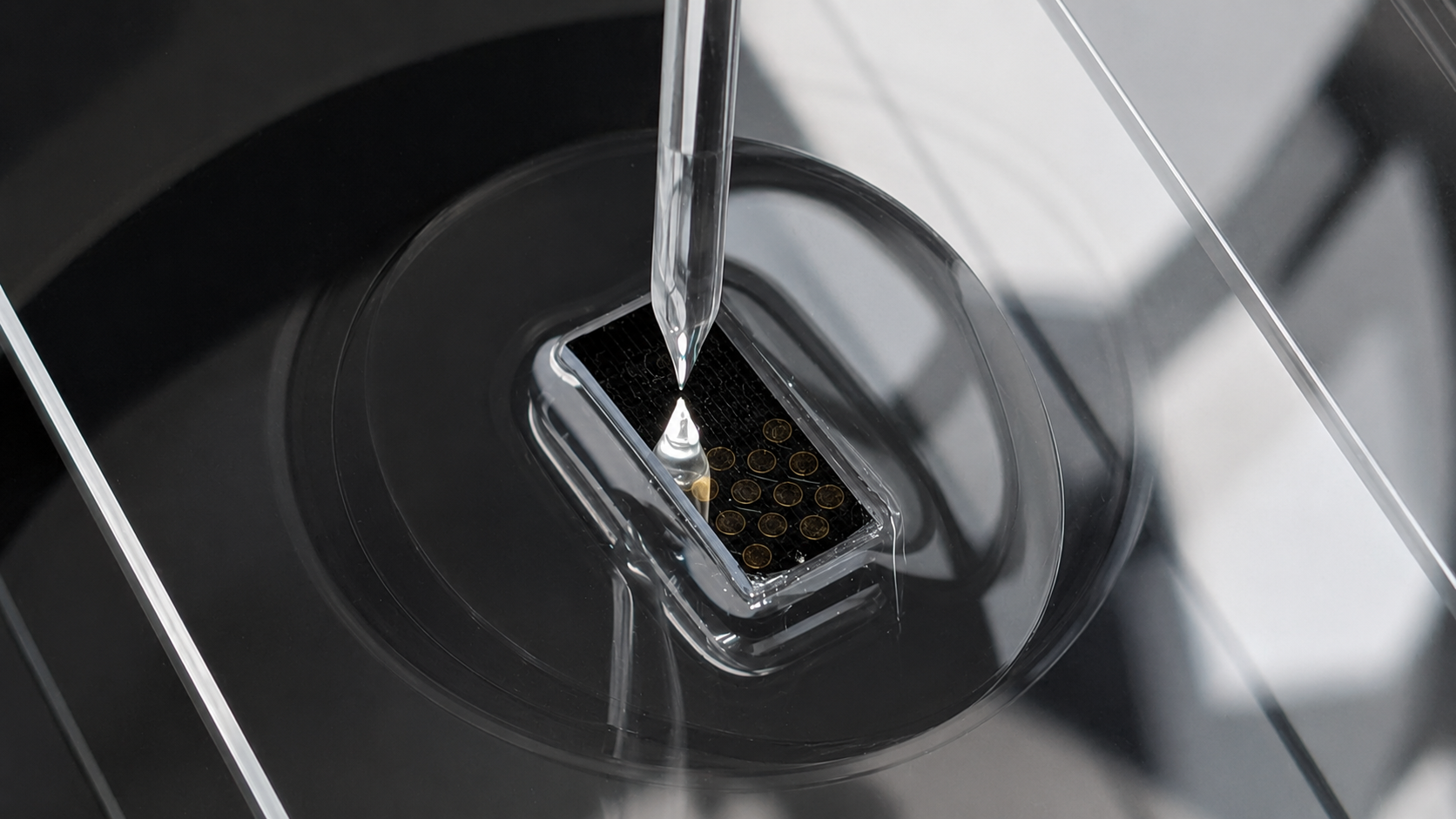
SECCM & SICM Probes
Glass micro- and nanopipettes for scanning ion conductance microscopy (SICM) and scanning electrochemical cell microscopy (SECCM), enabling confined electrochemical measurements at the sub-micrometer spatial resolution.
Explore →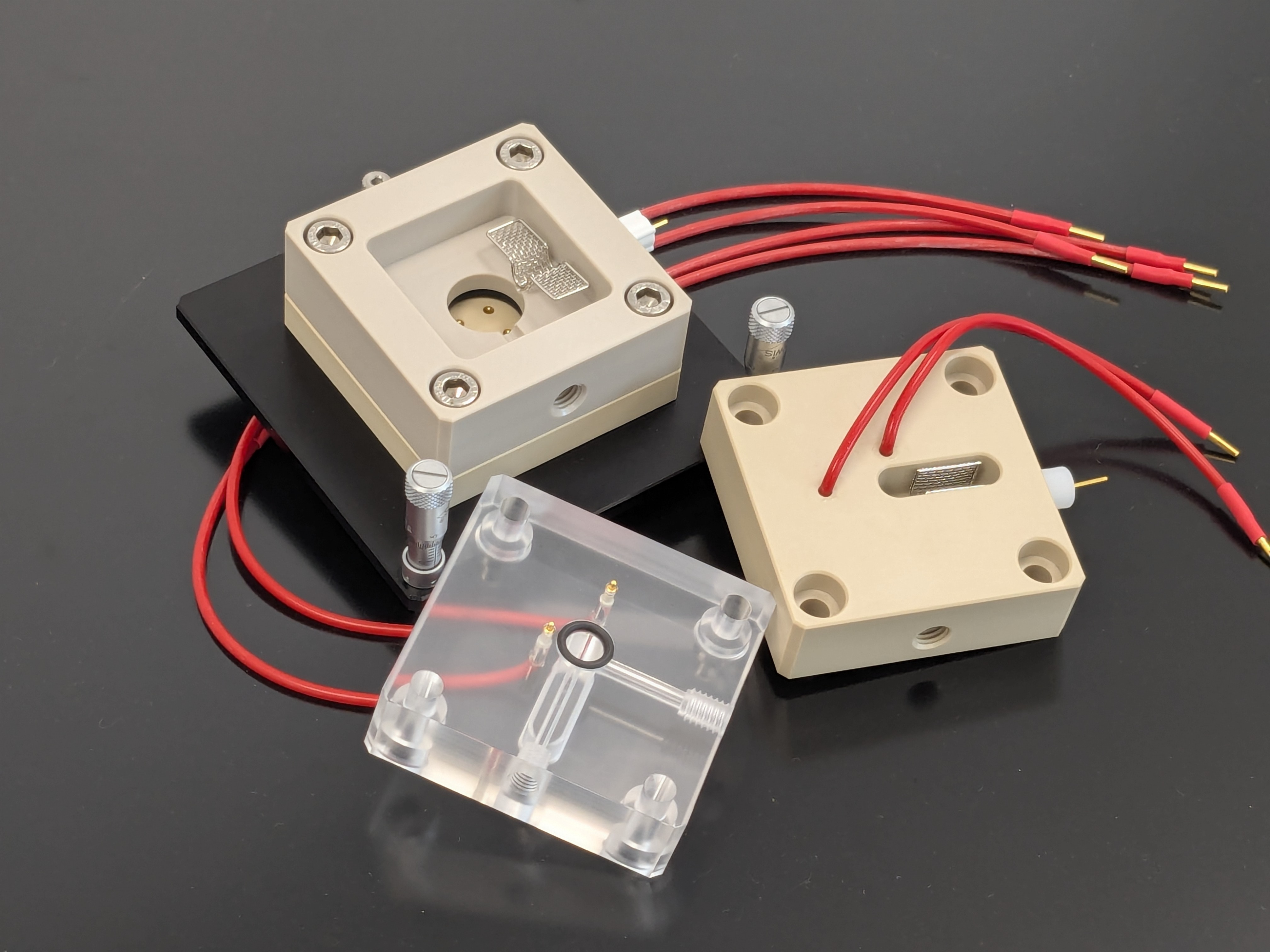
Polarization Cells
These electrochemical cells enable controlled sample polarization from the top or bottom and support the operation with macroelectrodes serving as substrates.
Explore →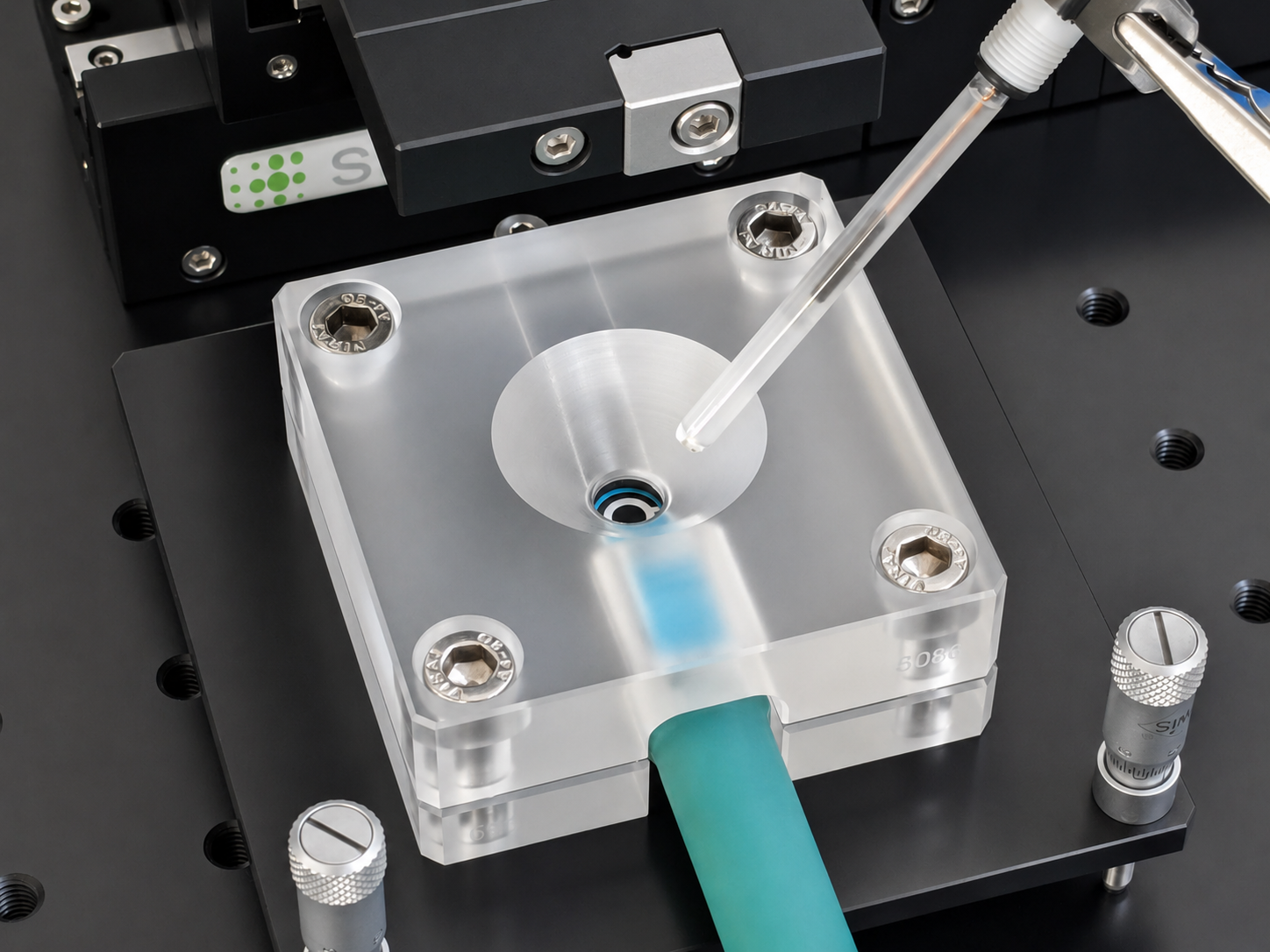
Specialized Cells
Our range of specialized SECM cells is tailored for application-specific experiments, including complete measuring cells optimized for screen-printed electrodes, temperature-controlled studies, and flow or gas-controlled experiments.
Explore →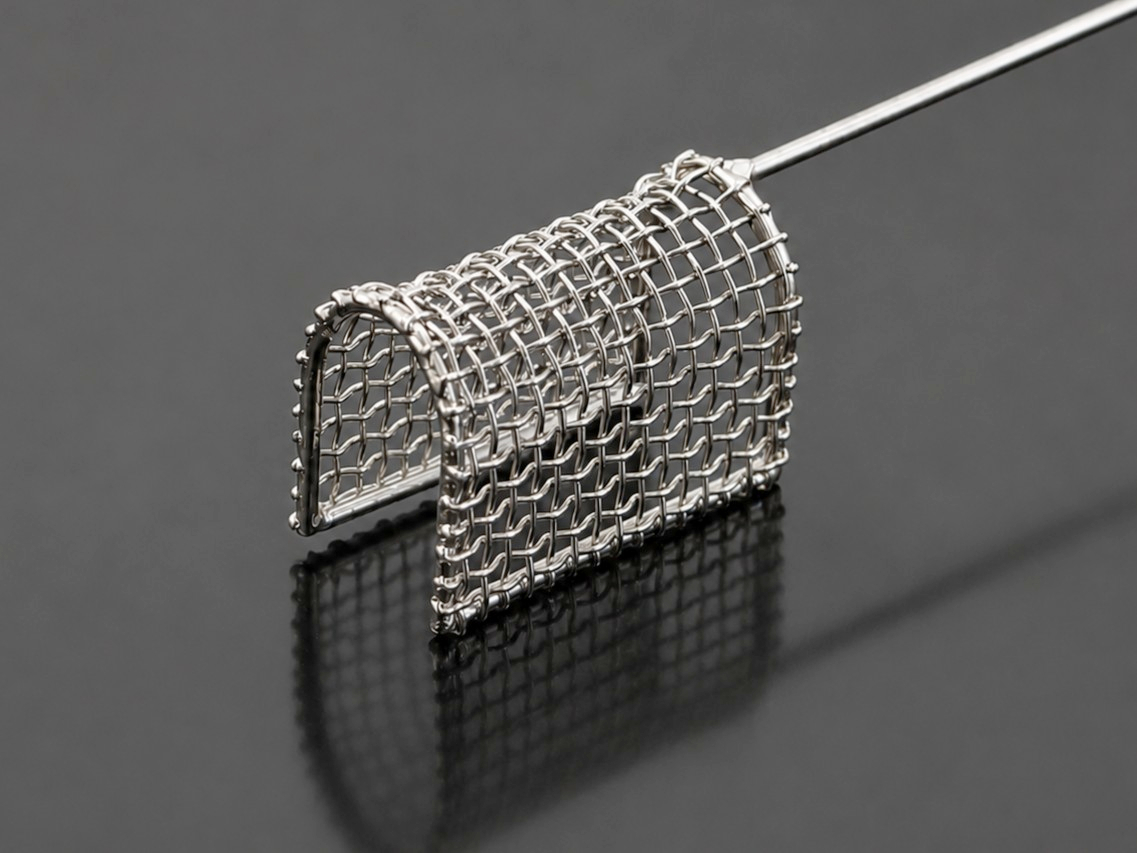
Auxiliary Electrodes
Explore a complete portfolio of miniaturized reference and counter electrodes for reliable electrochemical measurements. From aqueous and gel-based Ag/AgCl references to mini hydrogen electrodes, Pt nets, and compact Pt coil counter electrodes.
Explore →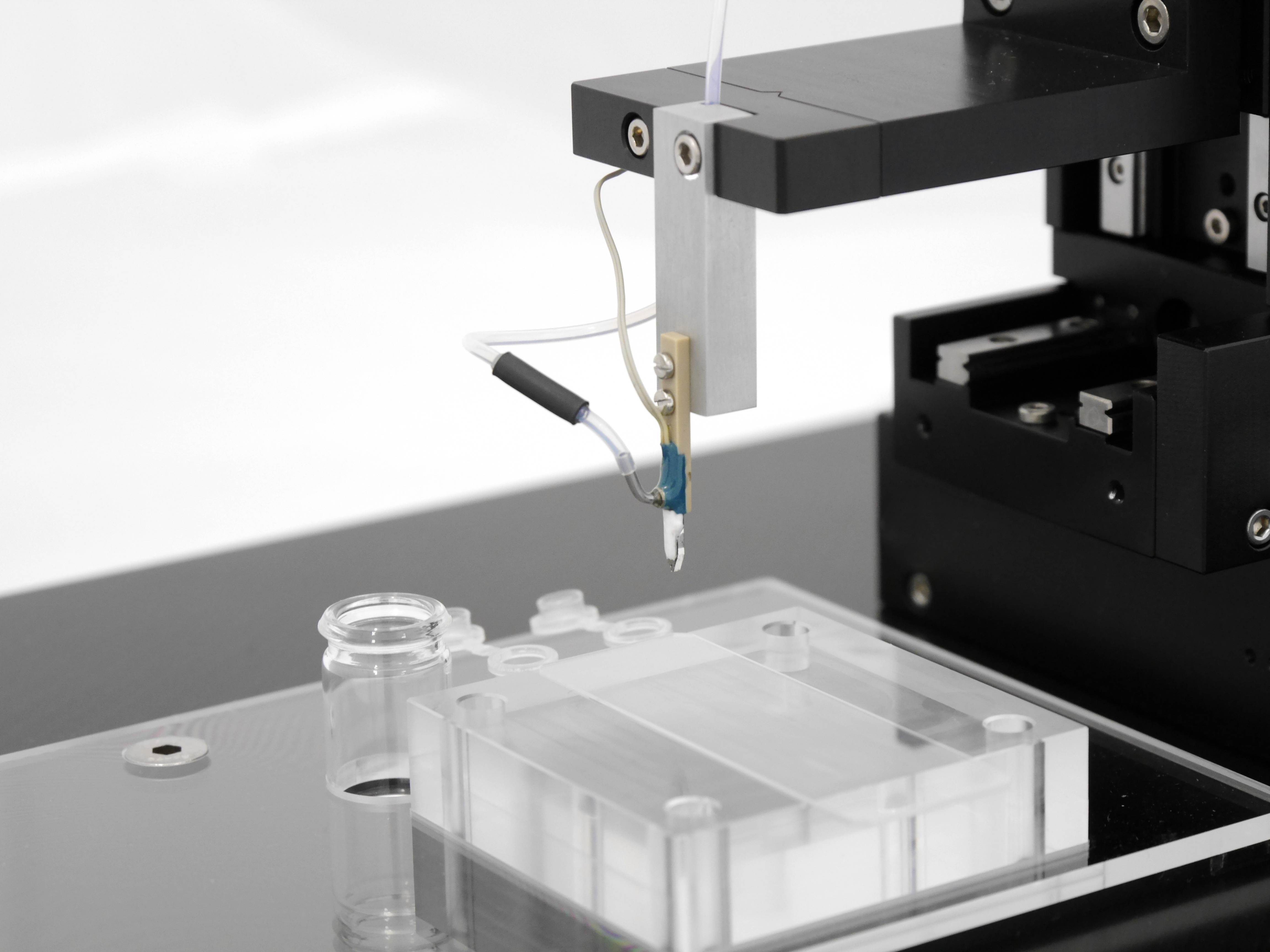
Picoplot Dispender
Piezoelectric dispensing system for precise deposition of picoliter droplets, enabling preparation of material libraries, combinatorial samples, and controlled placement of functional solutions.
Explore →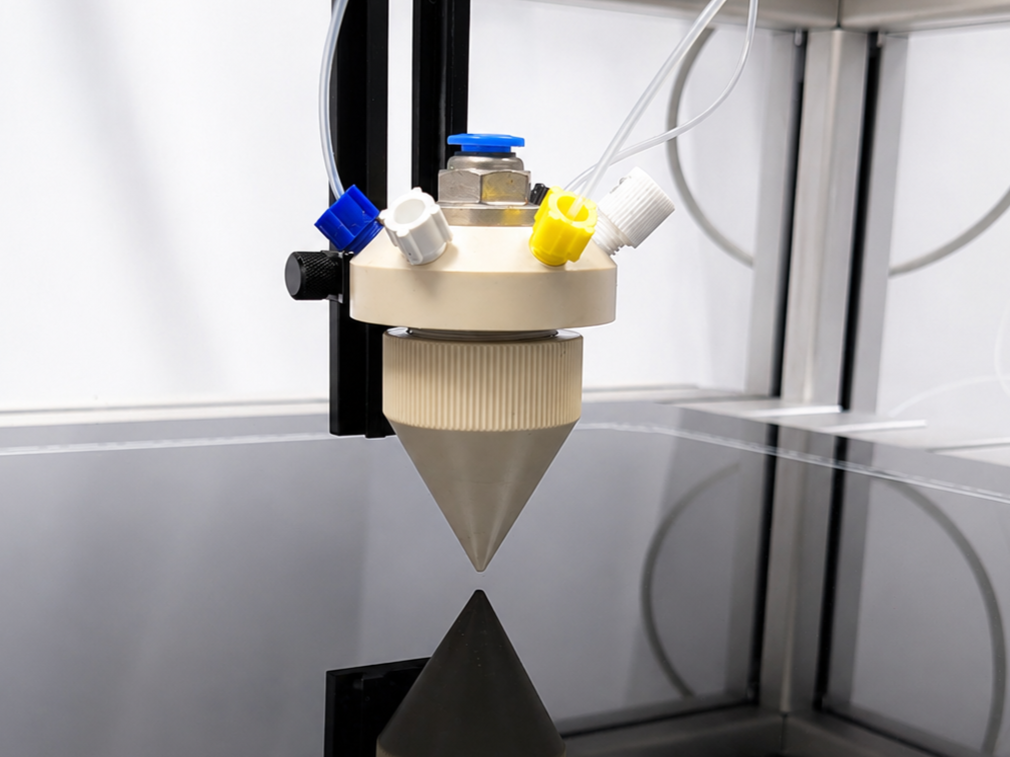
Spray Coater
Thin-film deposition system for controlled and uniform coatings. It allows reproducible preparation of functional layers, catalysts, or model surfaces for electrochemical and materials research.
Explore →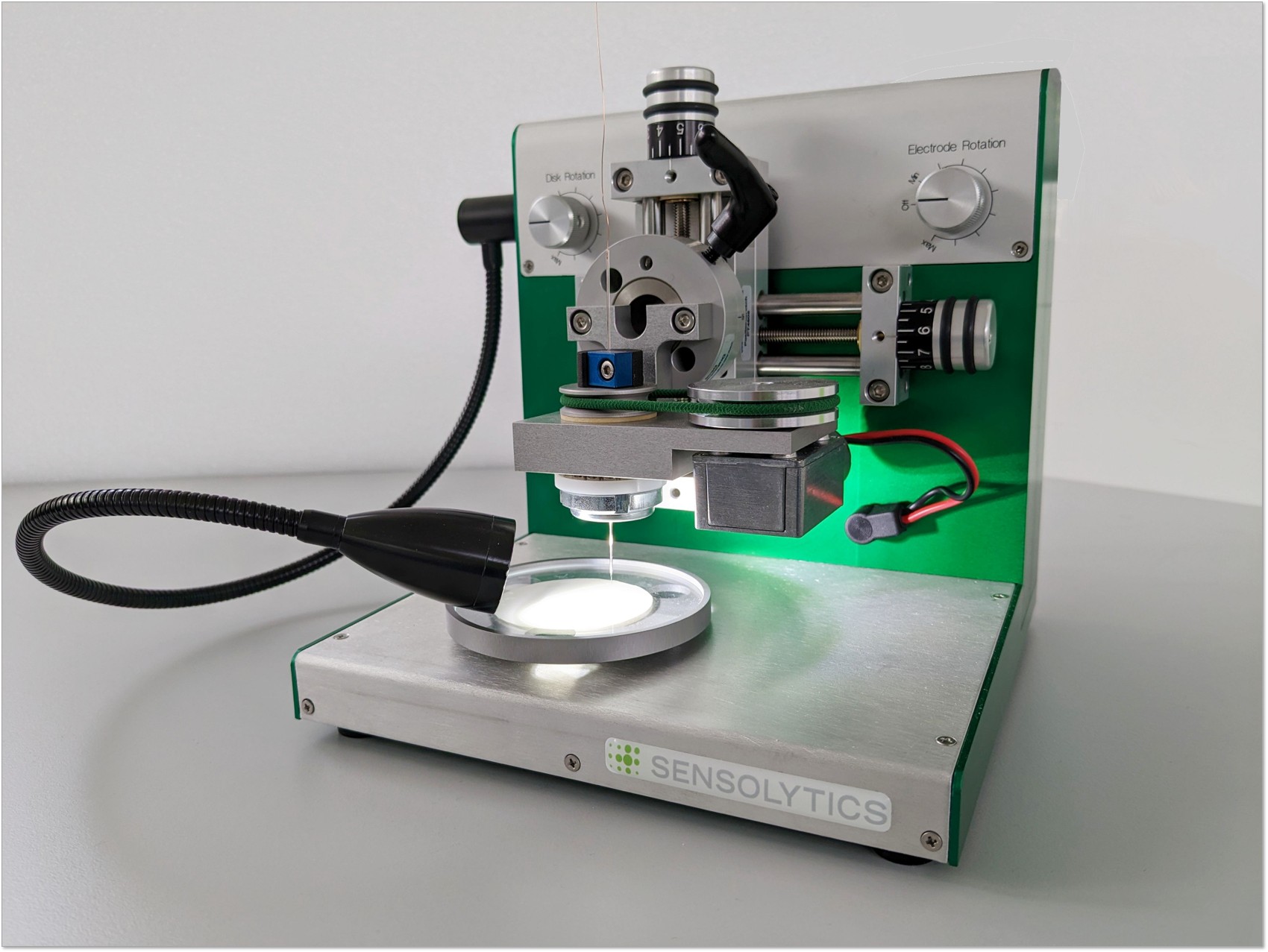
Polishing Machine
Polishing system for preparation and maintenance of micro- and nanoelectrodes, ensuring reproducible surface conditions, stable electrochemical response, and extended probe lifetime.
Explore →Not sure which SECM configuration fits your experiment?
Contact us to discuss your application, experimental conditions, and configuration requirements. We support system selection and customization based on your individual requirements and future upgrades.
Frequently Asked Questions
The Option High-Res adds a piezoelectric XYZ positioning system integrated at the probe holder, which enables high-precision positioning of the SECM probe. It provides a travel range of 100 µm per axis with closed-loop control, allowing accurate and reproducible positioning at the nanometer scale. In Sensolytics SECM systems, this option also provides software-based tilt correction and more consistent control of the tip–sample distance during the scans, particularly valuable when working with ultramicro- and nanoelectrodes.
In closed-loop control, the position of the piezo is continuously measured using an integrated Silicon HR sensor and compared to the target position. Any deviation is actively corrected in real time via a feedback loop. This feedback compensates for the intrinsic nonlinearities of the piezoelectric system, while reducing positioning errors. In the case of SECM measurements, this enables more precise positioning, stable scan paths, and greater reproducibility, especially in experiments where small variations in the distance between the tip and the sample significantly affect the electrochemical response.
In the Sensolytics Option High-Res, the resolution (1.5 nm) refers to the smallest position increment that the piezoelectric system can control.Repeatability (0.2 nm) describes how closely the system returns to the same physical position when the same movement is executed multiple times.
Tilt correction is a software-based procedure in the Sensolytics Option High-Res that compensates for sample tilt. It determines the surface plane from reference positions and adjusts the tip height accordingly during the scan. By compensating for this tilt, the system maintains a more consistent distance between the probe tip and the sample across the entire scanning area, which reduces variations in the measured signal and improves the reliability of measurements at a constant height.
The tip-to-sample distance is nevertheless controlled using the electrochemical response recorded at the probe. As a result, the feedback signal depends on the local electrochemical activity of the sample, and changes in surface reactivity may influence the apparent distance during scanning. For advanced distance control, the Option High-Res can be upgraded to Option Shearforce ↗. In shearforce mode, the probe-sample distance is regulated independently of the electrochemical signal using feedback derived from the damping of the vibrating nanoelectrode (amplitude and phase), which depends solely on the probe-surface separation. This enables true constant-distance imaging, decouples topographic and electrochemical information, and provides reliable measurements on rough surfaces or samples with significant variations in local electrochemical activity.
