




Sensolytics Base SECM
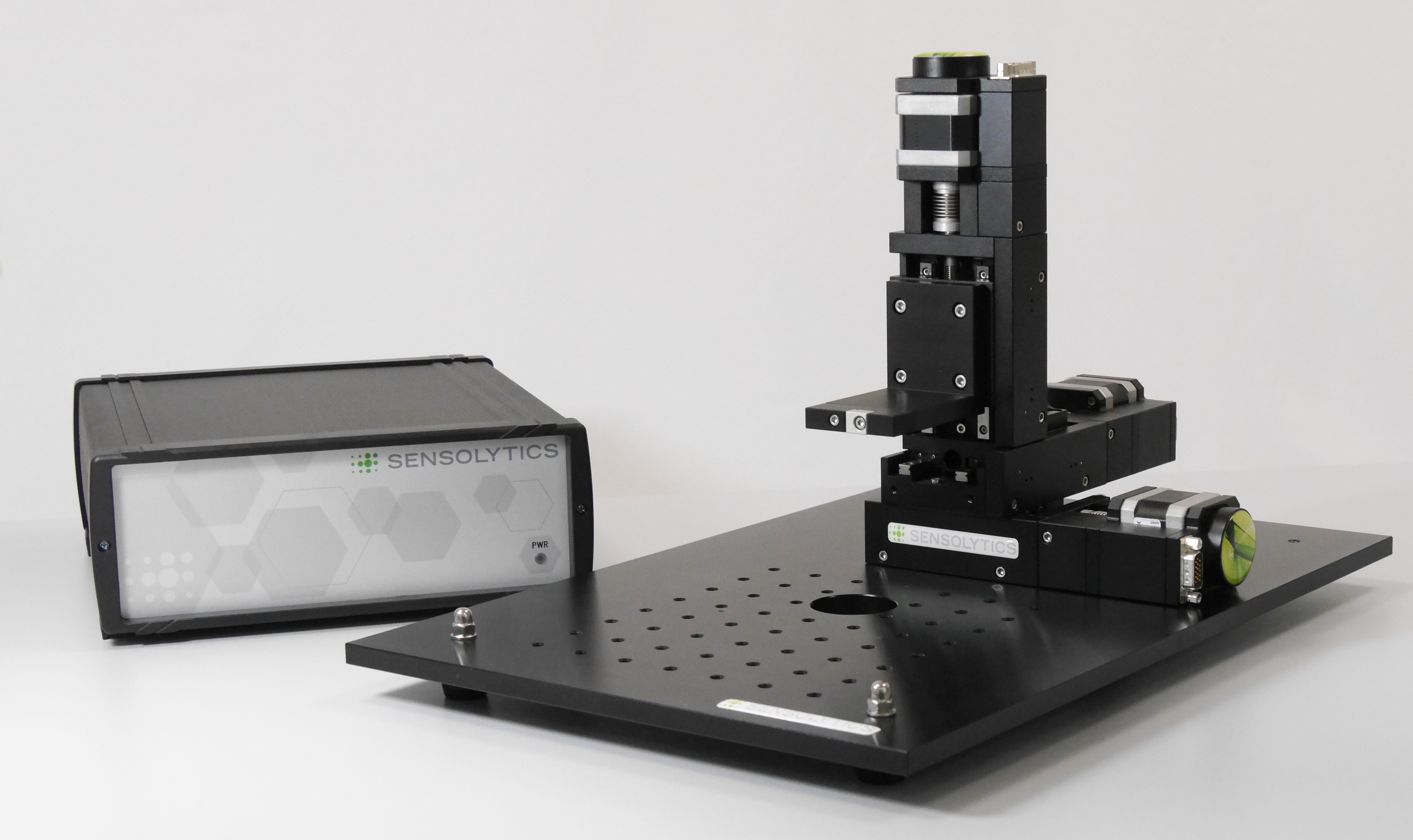
The Sensolytics starting point: A complete scanning electrochemical microscopy (SECM) system combining precise probe positioning with a modular design for spatially resolved electrochemical measurements in material science, battery research and biological systems.
The Sensolytics Base SECM System is a scanning electrochemical microscope which provides high-resolution XYZ positioning and intuitive software control for spatially resolved electrochemical measurements. It supports both scanning and stationary experiments, enabling localized characterization across a wide range of applications, including corrosion systems, energy materials, catalytic surfaces, and biointerfaces.
Electrochemical contrast in SECM is generated through the interaction between the tip and the sample. As an ultramicroelectrode (UME) probe approaches the surface, changes in the faradaic tip current reflect local reactivity, charge transfer kinetics, and mass transport. This enables the mapping of heterogeneous electrochemical activity without physical contact between the probe and the sample.
The system integrates the positioning stage, electrochemical control (designed for Metrohm Autolab potentiostats, supplied separately), and data acquisition within a single workflow. Scan routines, approach curves, and localized electrochemical measurements are executed in a unified software environment, without the need for external synchronization between instruments.
Key Features
- • Application-ready configuration:
- Positioning system: Stepper-motor controlled XYZ stage with 25 x 25 x 25 mm travel and 4 nm calculated resolution
- Initial electrode set: Includes two platinum ultramicroelectrodes (25 µm and 10 µm), reference and counter electrode,
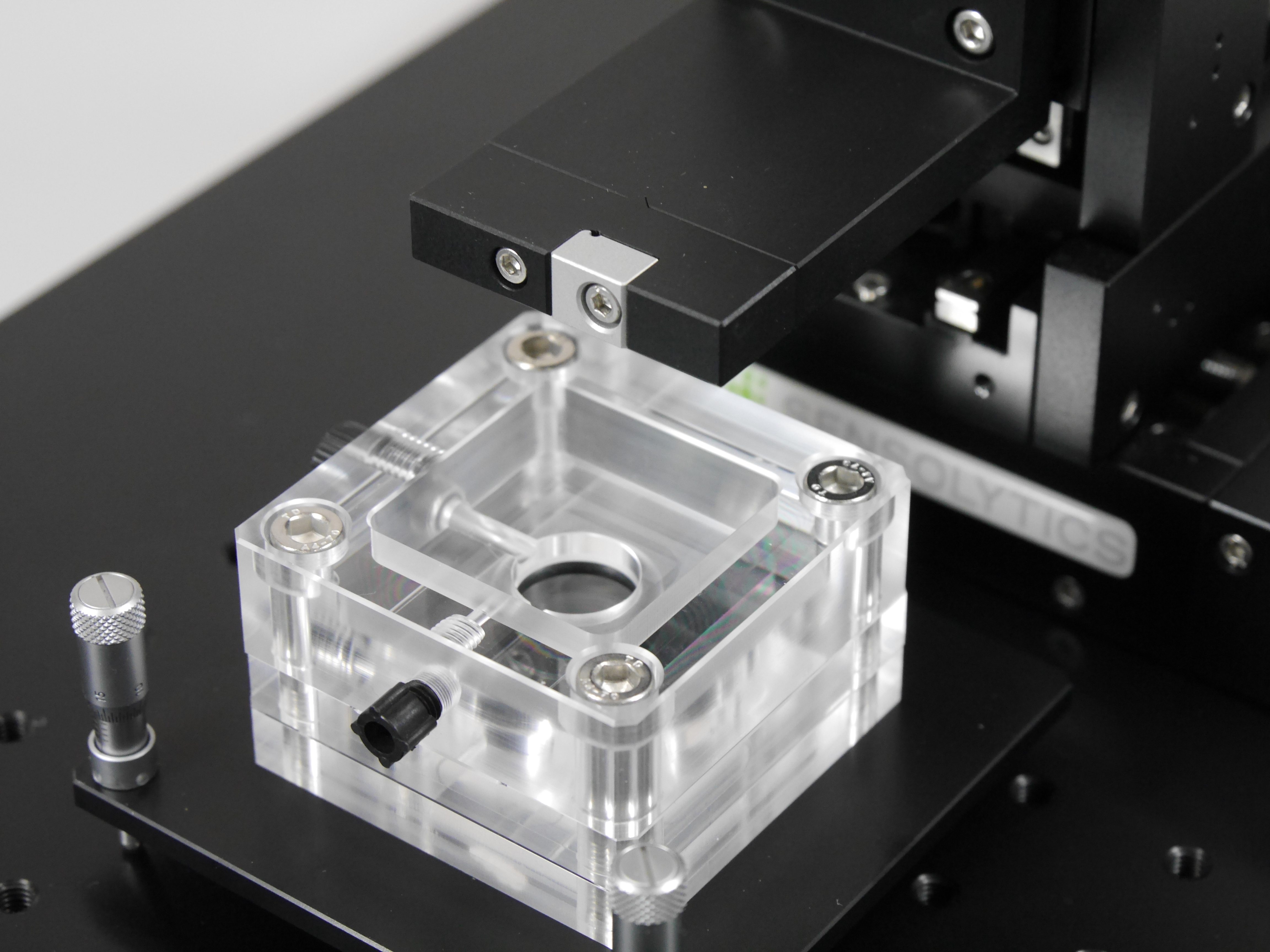
- Complete measuring cell and a test sample
- Software: Control software for synchronized positioning, electrochemical control, and data acquisition/visualization
- Multiple detection modes: Feedback mode, generation-collection mode, direct mode, multi-dimensional SECM (CV, pulse procedures, AC-SECM), open-circuit potential maps, among others.
- Localized electrochemical techniques: The SECM system provides access to a comprehensive library of electrochemical methods and user-defined routines.
- Modular system architecture: The system can be extended with high-resolution piezo positioning, shearforce distance control, photoelectrochemical operation (SPECM), and optical monitoring modules without replacing the base platform.
Technical Specifications
Option High-Res
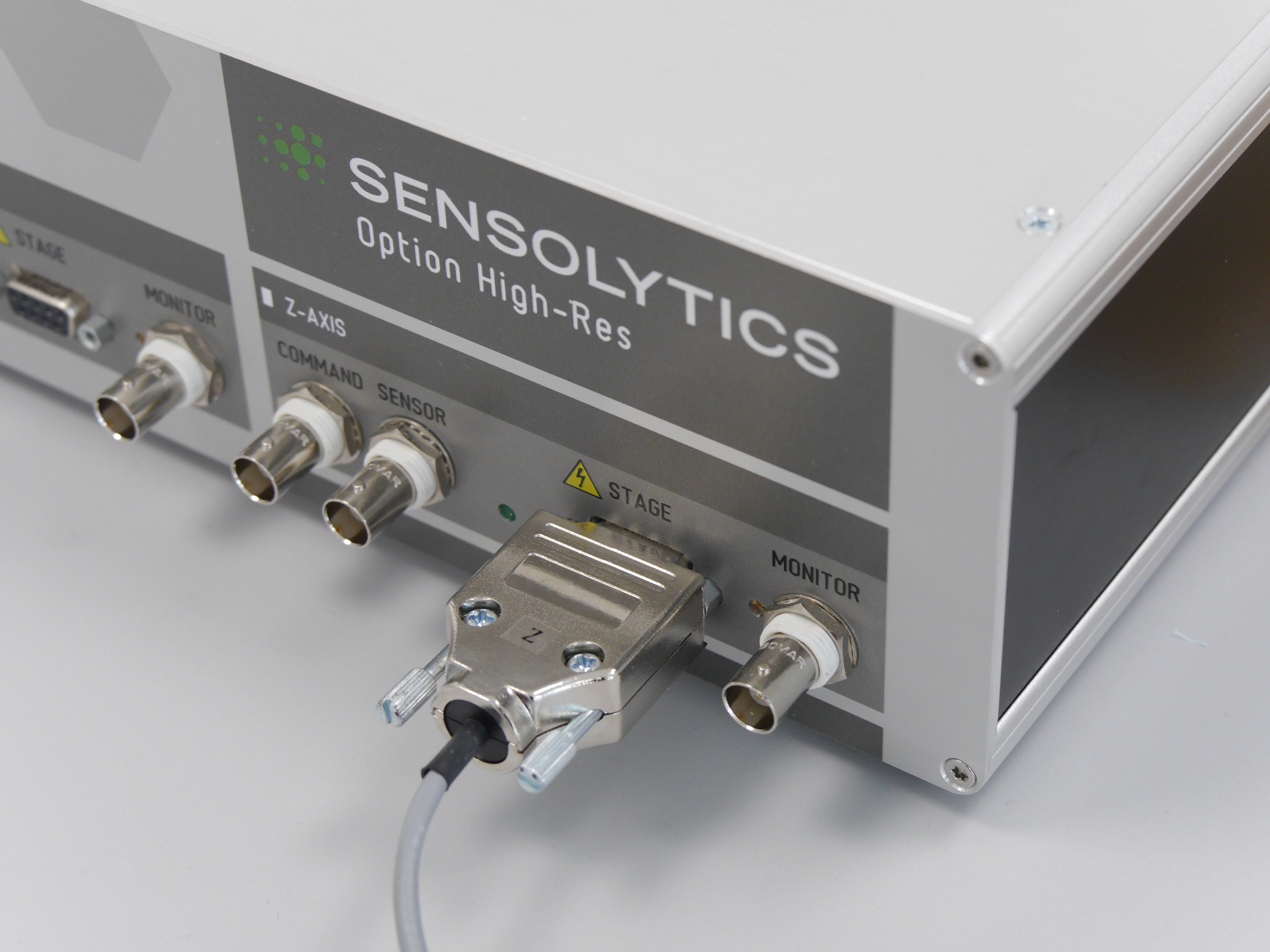
Upgrade to a closed-loop piezoelectric positioning system for nanometer-scale imaging. The module provides 1.5 nm nominal resolution and 0.2 nm repeatability, using Silicon HR sensor for position feedback and enables software-based tilt correction.
Explore →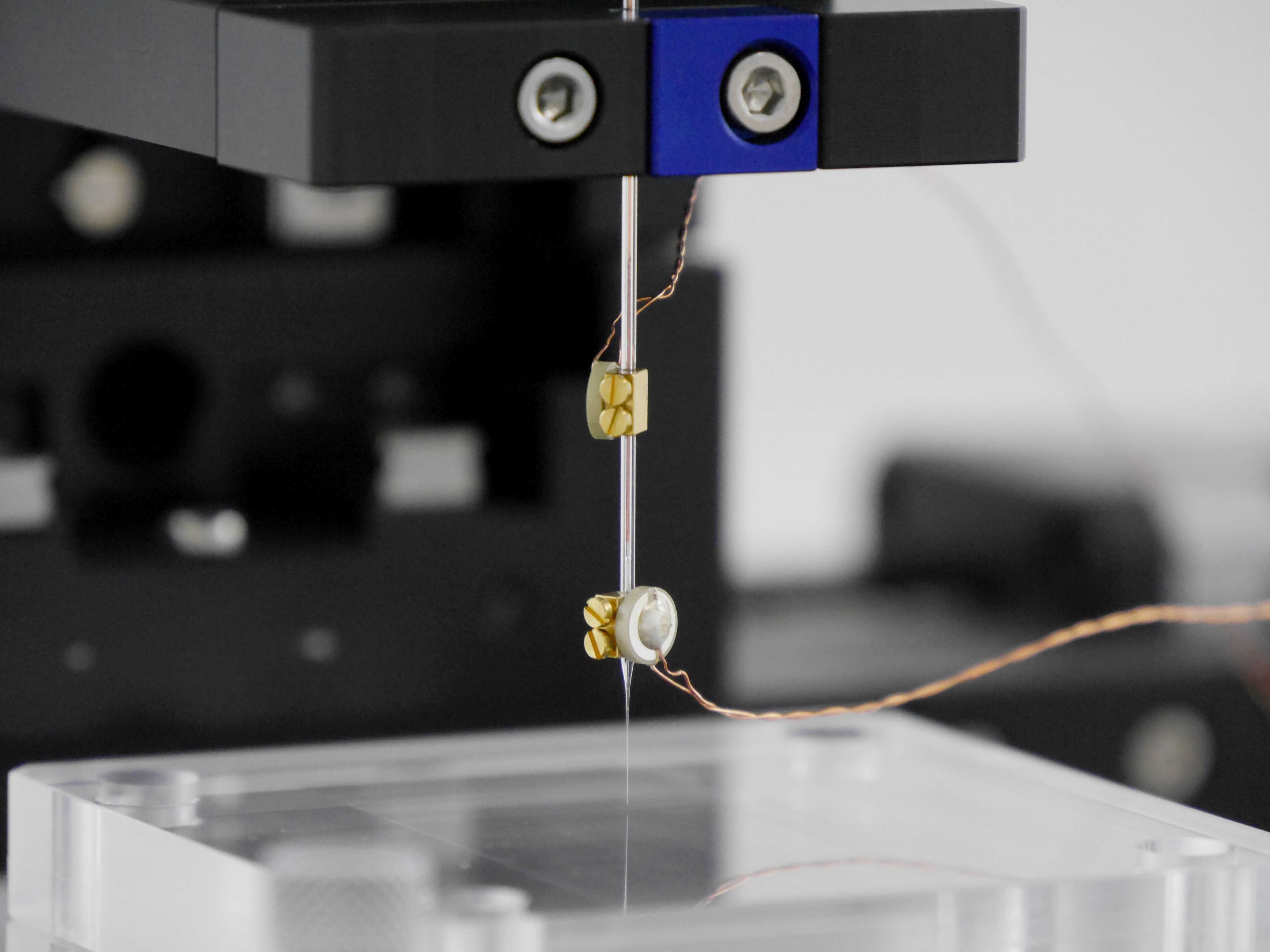
Option Shearforce
Option for integrating shearforce-based constant-distance mode imaging for a deconvolution of topographic and electrochemical activity signals, supporting measurements on rough surfaces and substrates with structural features below 1 µm.
Explore →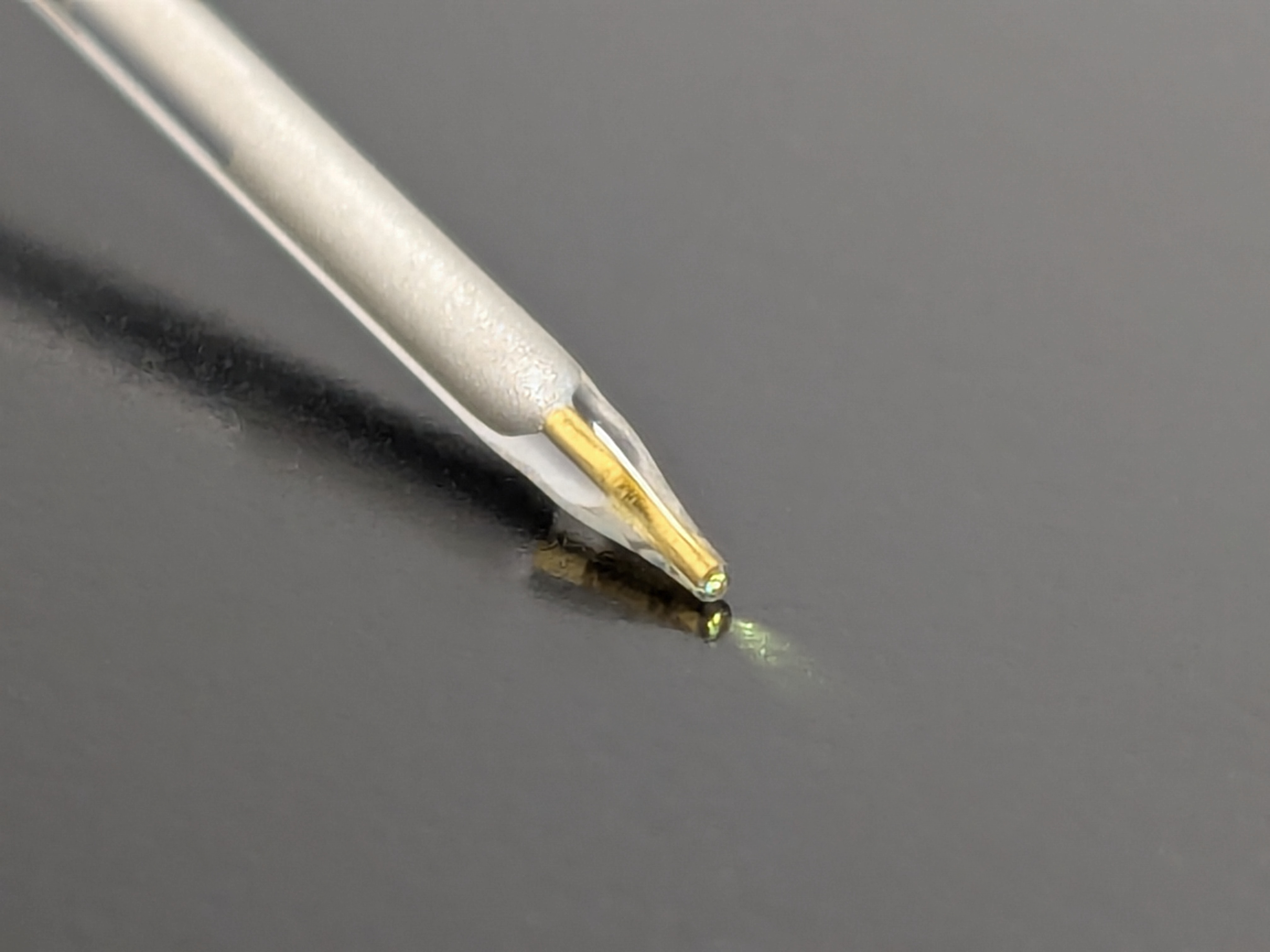
Option SPECM
By integrating an optical fiber with a concentric gold ring electrode, the scanning photoelectrochemical microscopy (SPECM) module enables spatially resolved measurements in light-responsive materials by combining local illumination with electrochemical analysis.
Explore →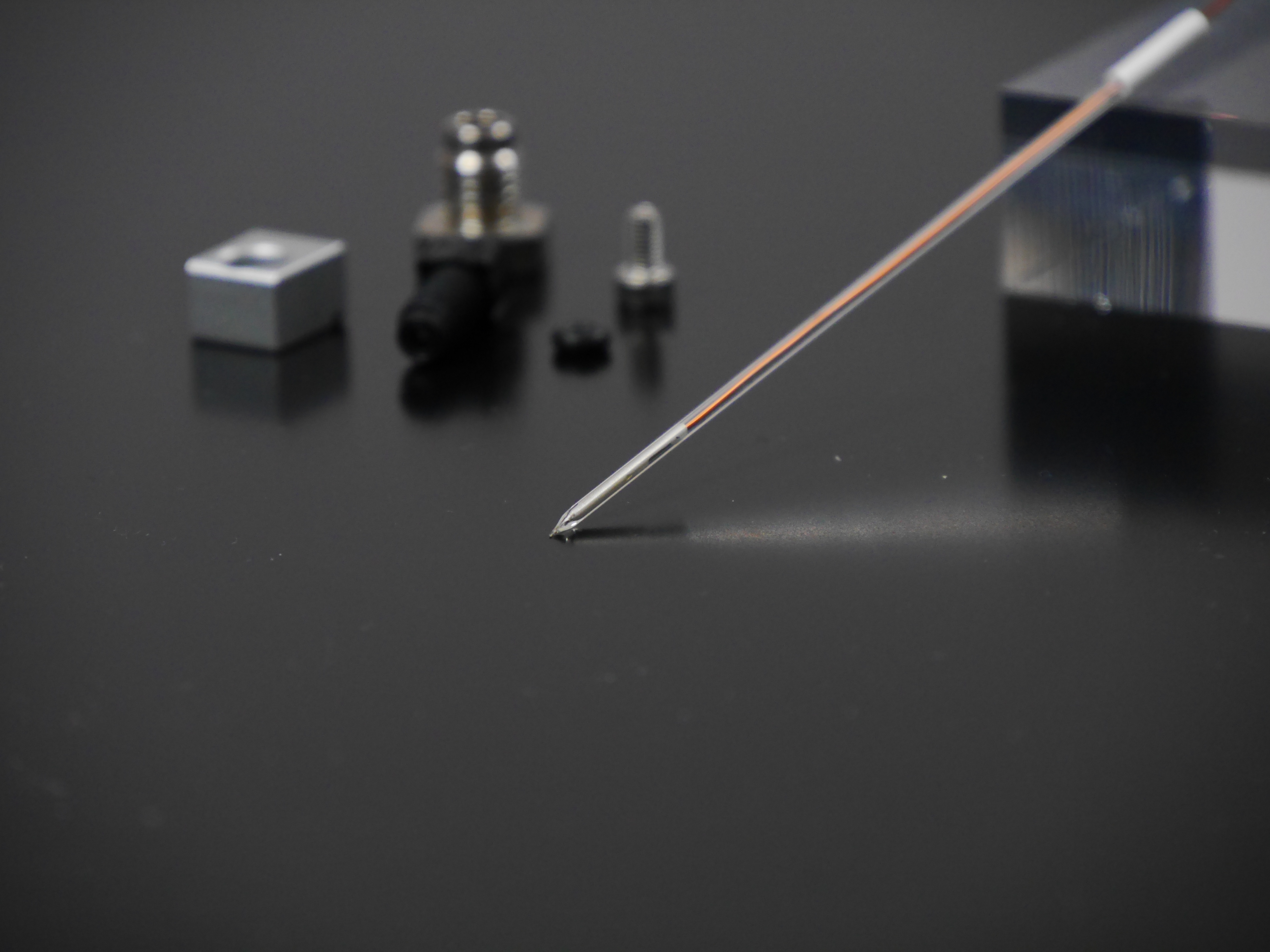
Microelectrodes
Platinum and gold microelectrodes with defined geometry for stable SECM measurements, providing reproducible current responses and reliable performance in routine imaging.
Explore →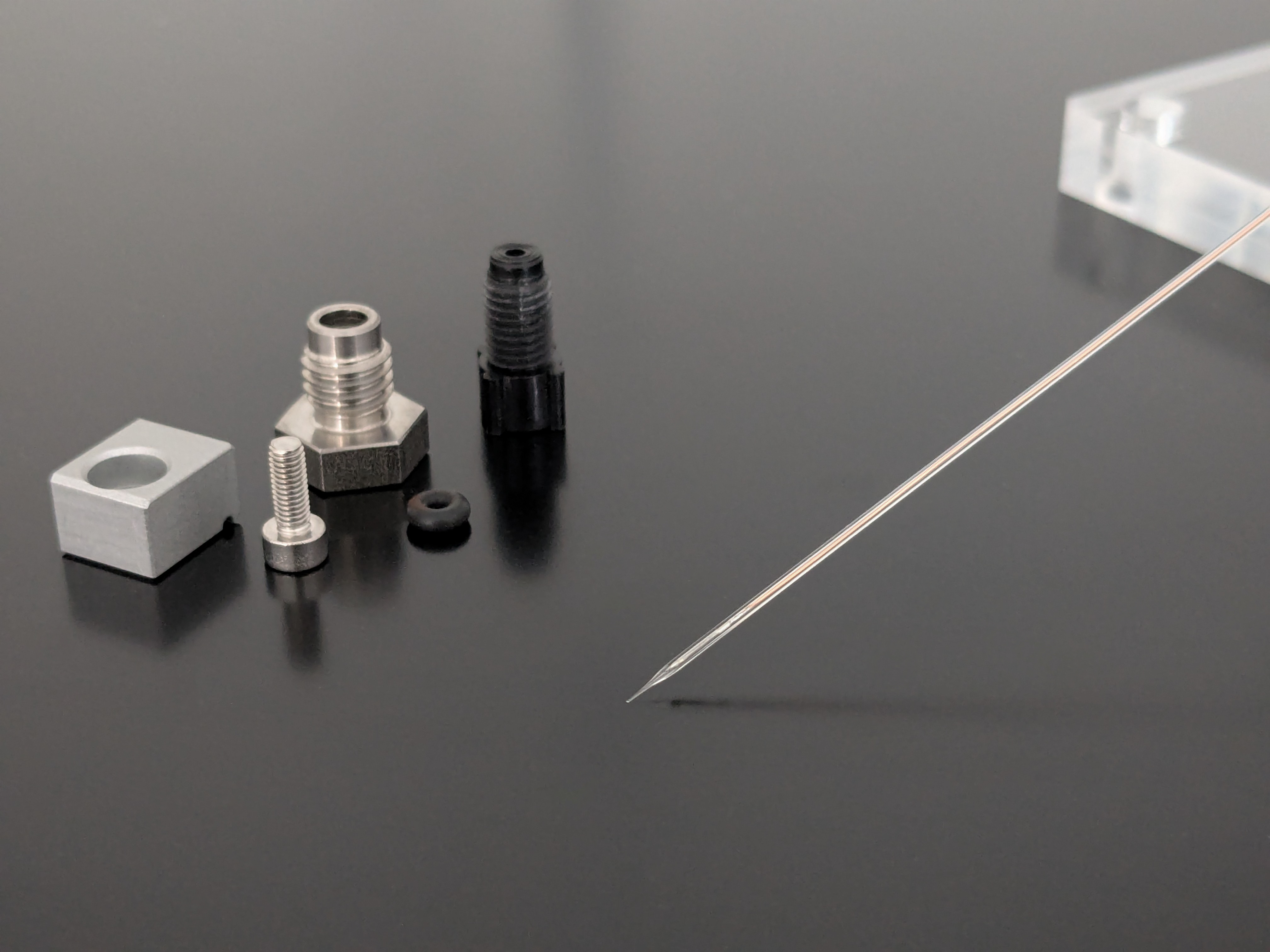
Ultramicroelectrodes
Ultramicroelectrodes made of different electrode materials enable high spatial resolution and fast steady-state currents, minimizing capacitive contributions and supporting quantitative analysis of localized kinetics and mass transport processes.
Explore →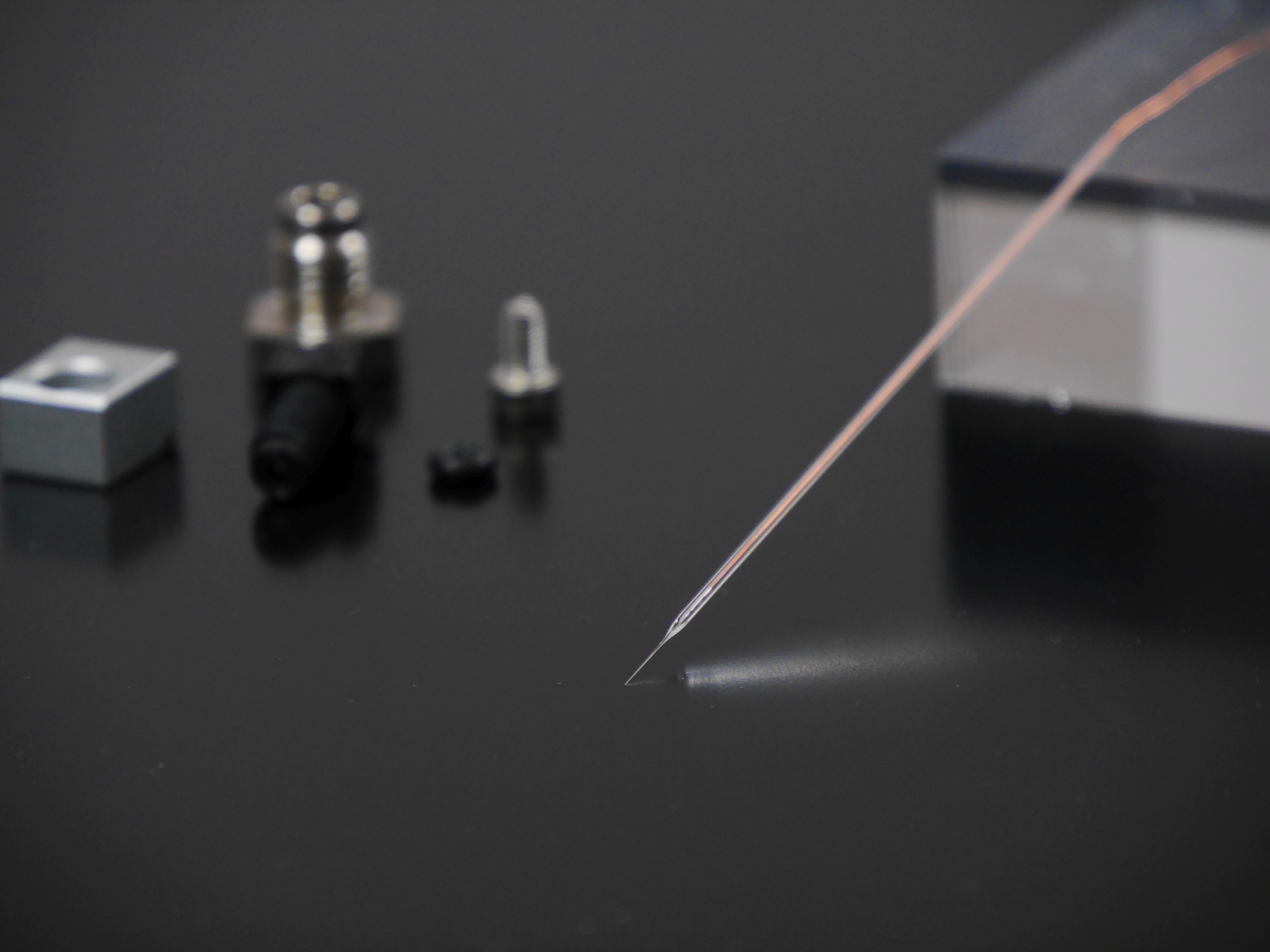
Nanoelectrodes
Nanoelectrodes enable electrochemical measurements at the nanometer scale with minimal perturbation, allowing the investigation of confined regions and highly localized electrochemical activity.
Explore →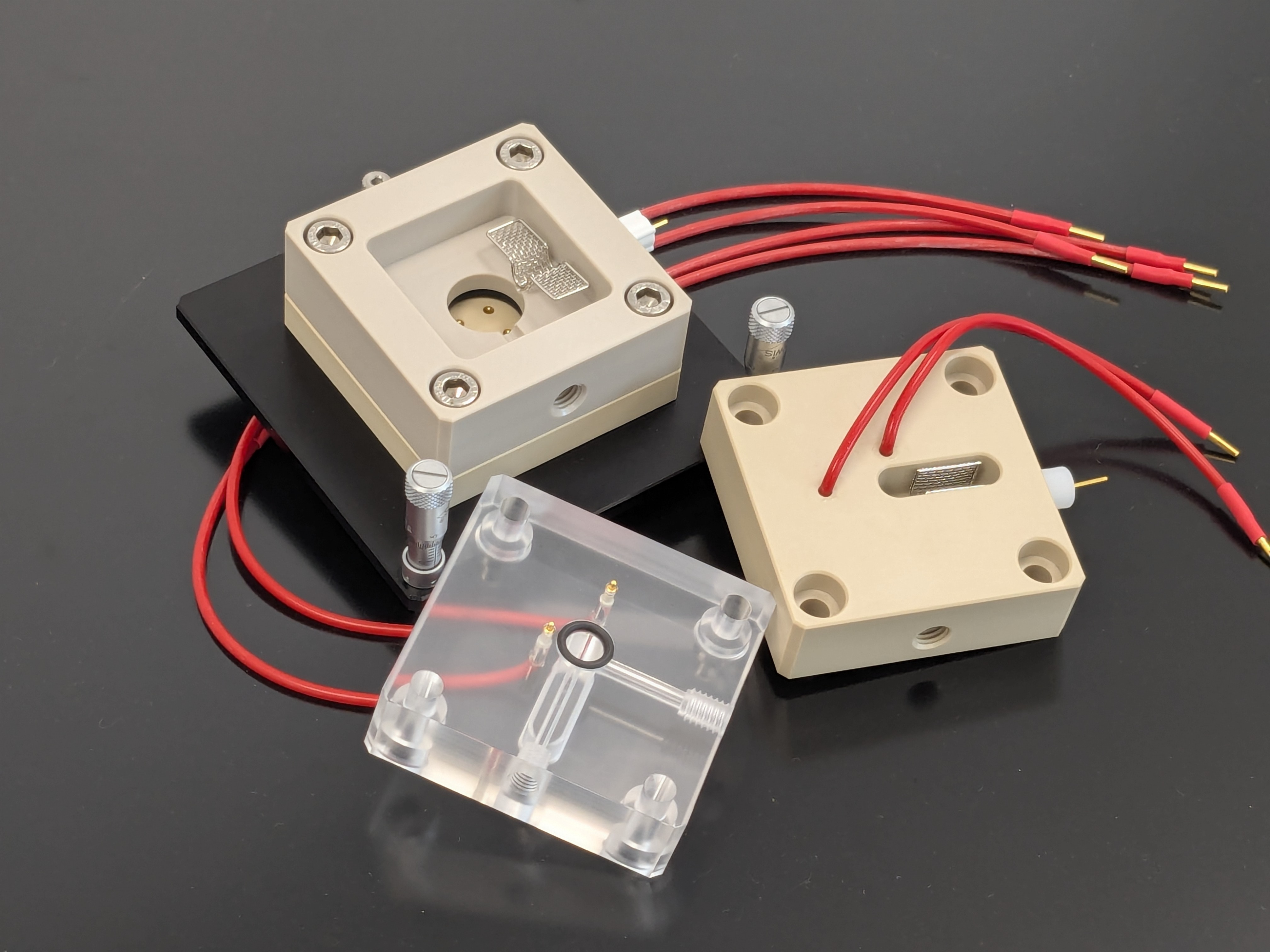
Polarization Cells
These electrochemical cells enable controlled sample polarization from the top or bottom and support the operation with macroelectrodes serving as substrates.
Explore →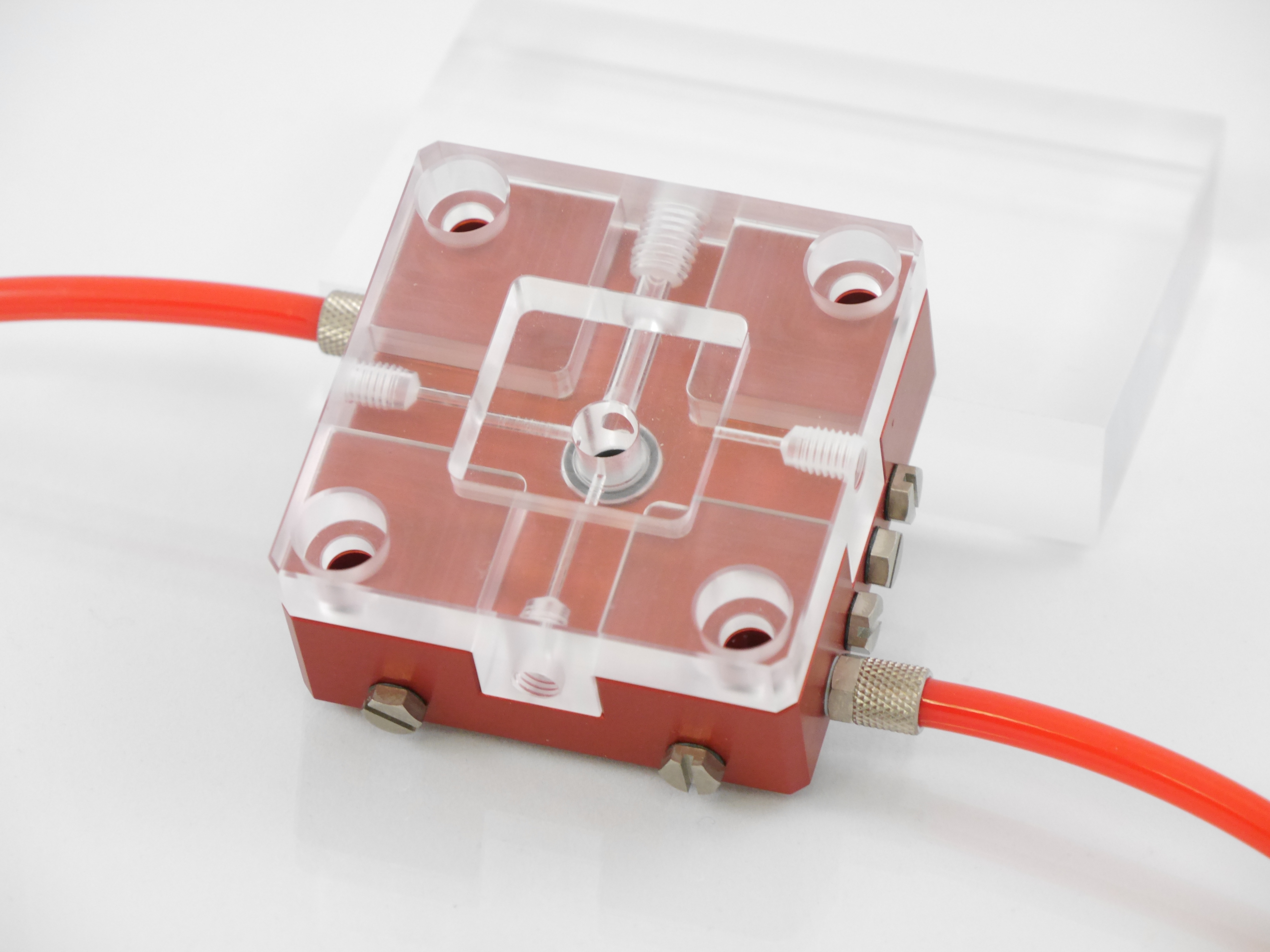
Temperature Control
Electrochemical cells with integrated temperature control via external thermostat or cryostat, enabling studies of temperature-dependent kinetics.
Explore →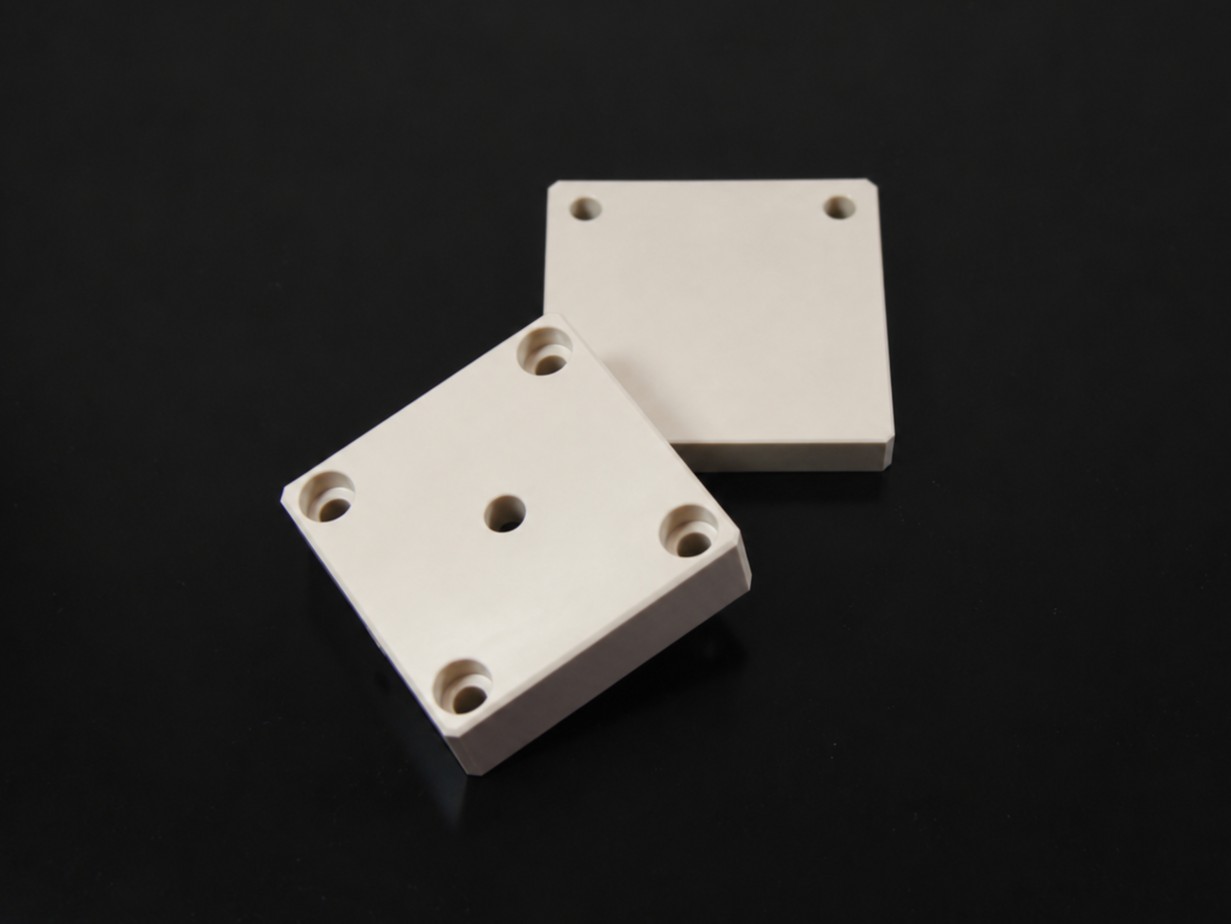
Low-Volume Cells
Low-volume electrochemical cells (~1 mL) with orthogonally oriented inlets for reference and counter electrodes, suitable for small samples and experiments requiring minimal electrolyte volume.
Explore →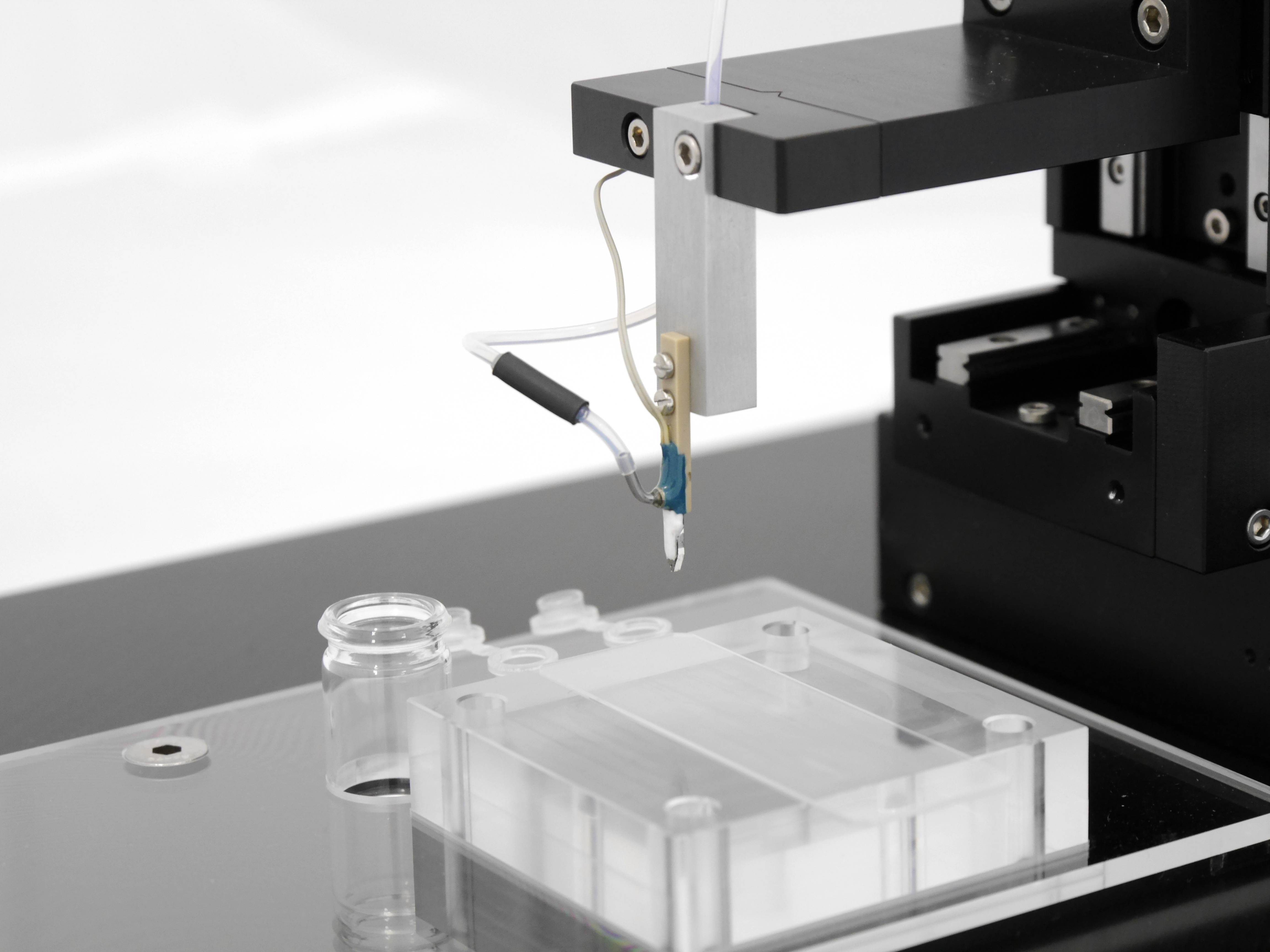
Picoplot Dispender
Piezoelectric dispensing system for precise deposition of picoliter droplets, enabling preparation of material libraries, combinatorial samples, and controlled placement of functional solutions.
Explore →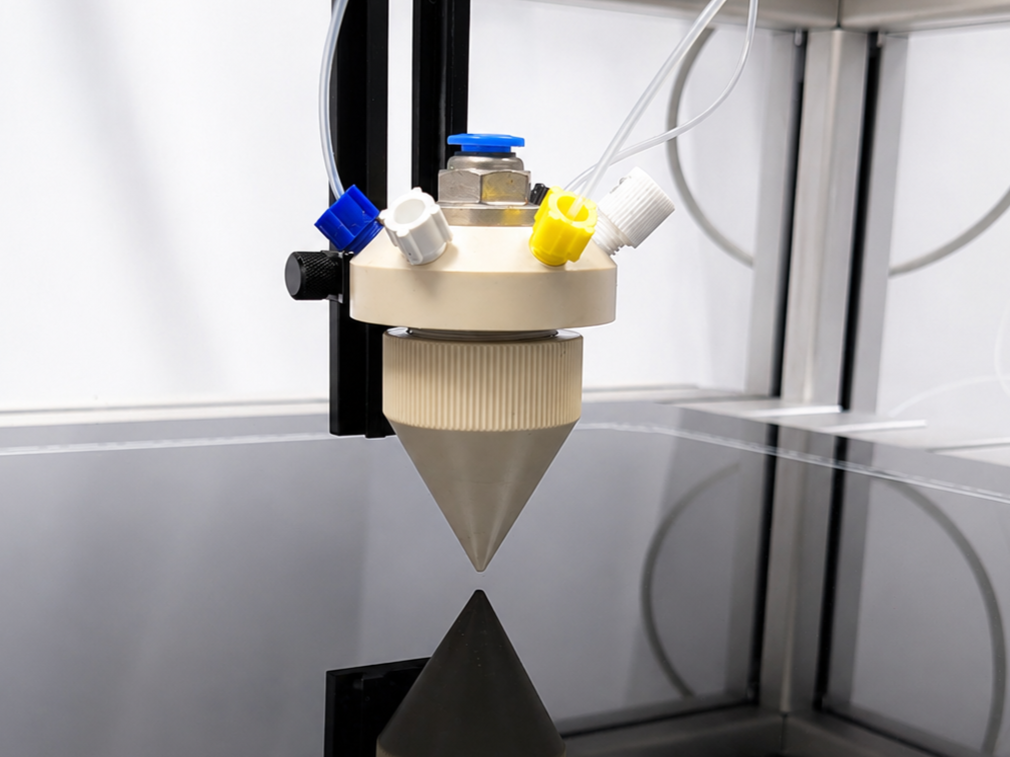
Spray Coater
Thin-film deposition system for controlled and uniform coatings. It allows reproducible preparation of functional layers, catalysts, or model surfaces for electrochemical and materials research.
Explore →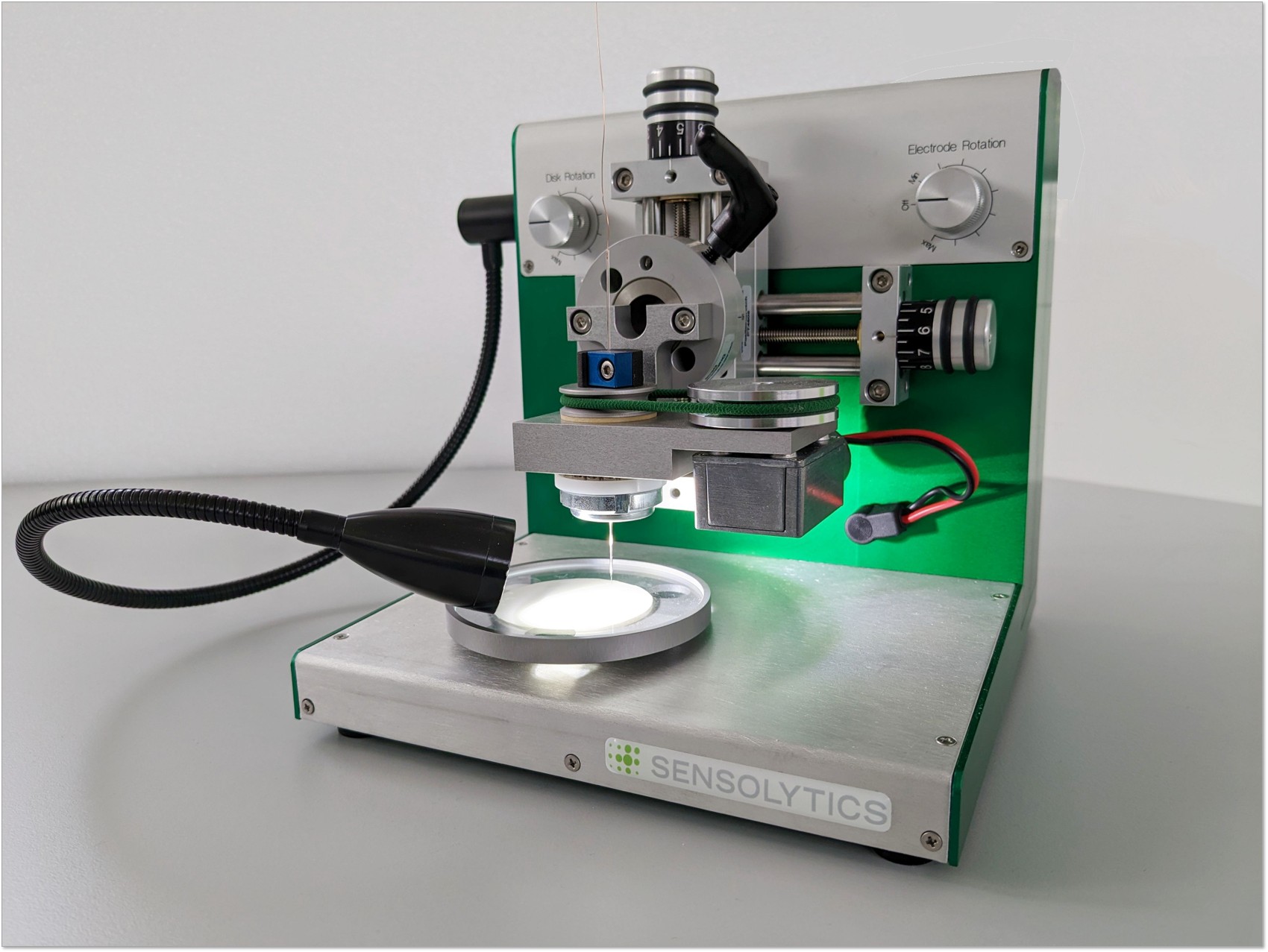
Polishing Machine
Polishing system for preparation and maintenance of micro- and nanoelectrodes, ensuring reproducible surface conditions, stable electrochemical response, and extended probe lifetime.
Explore →Not sure which SECM configuration fits your experiment?
Contact us to discuss your application, experimental conditions, and configuration requirements. We support system selection and customization based on your individual requirements and future upgrades.
Frequently Asked Questions
The Base SECM system is delivered as a complete, ready-to-use platform to be used together with Metrohm Autolab potentiostats. It includes:
- XYZ positioning stage: 25 × 25 × 25 mm travel with 4 nm calculated resolution
- Integrated SECM control software ↗ (Windows 10/11): Synchronized positioning, electrochemical control, and data acquisition
- Electrochemical cell: PMMA cell for standard SECM measurements with manual leveling baseplate
- Ultramicroelectrodes: Pt UME set (10 µm and 25 µm diameter)
- Reference and counter electrodes: Ag/AgCl gel reference electrode and Pt counter electrode
Optional upgrades, such as high-resolution piezo positioning, shearforce distance control, photoelectrochemical operation (SPECM), and environmental control, can be integrated at purchase or added at any later time.
Yes. Option Shearforce ↗ requires a Sensolytics Base SECM with the Option High-Res ↗ installed and can be integrated at any time without replacing the core positioning system or electrochemical hardware.
The shearforce module uses the interaction of a laterally vibrating tapered Sensolytics nanoelectrode with the sample surface to achieve a distance control loop and consequently a topography-rectified tip current image at non-flat or delicate surfaces.
Option Shearforce includes a visit to the customers’ place for the required hardware integration and intensive hands-on training.
Installation and user training are available and typically include system setup, alignment, and hands-on instruction covering operation, probe handling, measurement workflows, and data evaluation.
The exact scope (on-site installation, training duration, and included documentation) depends on the system configuration and project requirements. Please contact us ↗ for your individual training schedule.
Additional training sessions, remote support, and application-specific assistance can be arranged if needed.
The Base SECM System provides spatially resolved electrochemical characterization across a wide range of applications:
- Corrosion science: Mapping localized corrosion activity, coating defects, and galvanic interactions
- Energy materials: Investigating electrode interfaces in batteries, fuel cells, and photoactive materials
- Catalysis: Identifying active regions and comparing local catalytic activity across heterogeneous surfaces
- Bioelectrochemistry: Probing cellular redox activity, enzyme processes, and biofilm investigations
- Surface modification and patterning: Localized electrodeposition and etching
Applications requiring additional capabilities, such as photoelectrochemistry, controlled tip–sample distance, or environmental control, can be addressed through system extensions.
Multi-dimensional SECM refers to measurement modes where more than a single data value is recorded at each scan position. Instead of measuring only one current value per (x, y) point, complete electrochemical experiments, such as cyclic voltammetry or impedance spectroscopy, are performed locally at every position on the sample.
In Sensolytics systems, the multidimensional SECM mode is implemented directly within the SECM software, allowing the execution of complete electrochemical methods point by point along a scan grid.
This means that each point in the scan contains a full electrochemical dataset (e.g., a voltammogram or impedance spectrum), rather than a single current value. The data is stored at each position and can be analyzed afterwards to extract specific parameters, such as current at a defined potential or frequency-dependent behavior.
This specialized detection principle enables spatially resolved mapping of local electrochemical properties that goes far beyond conventional current detection.
