




Option Scanning Photoelectrochemical Microscopy (SPECM)
Combine scanning electrochemical microscopy with controlled local illumination for spatially resolved photoelectrochemical measurements on functional surfaces.
Microscale Photoelectrochemical Characterization
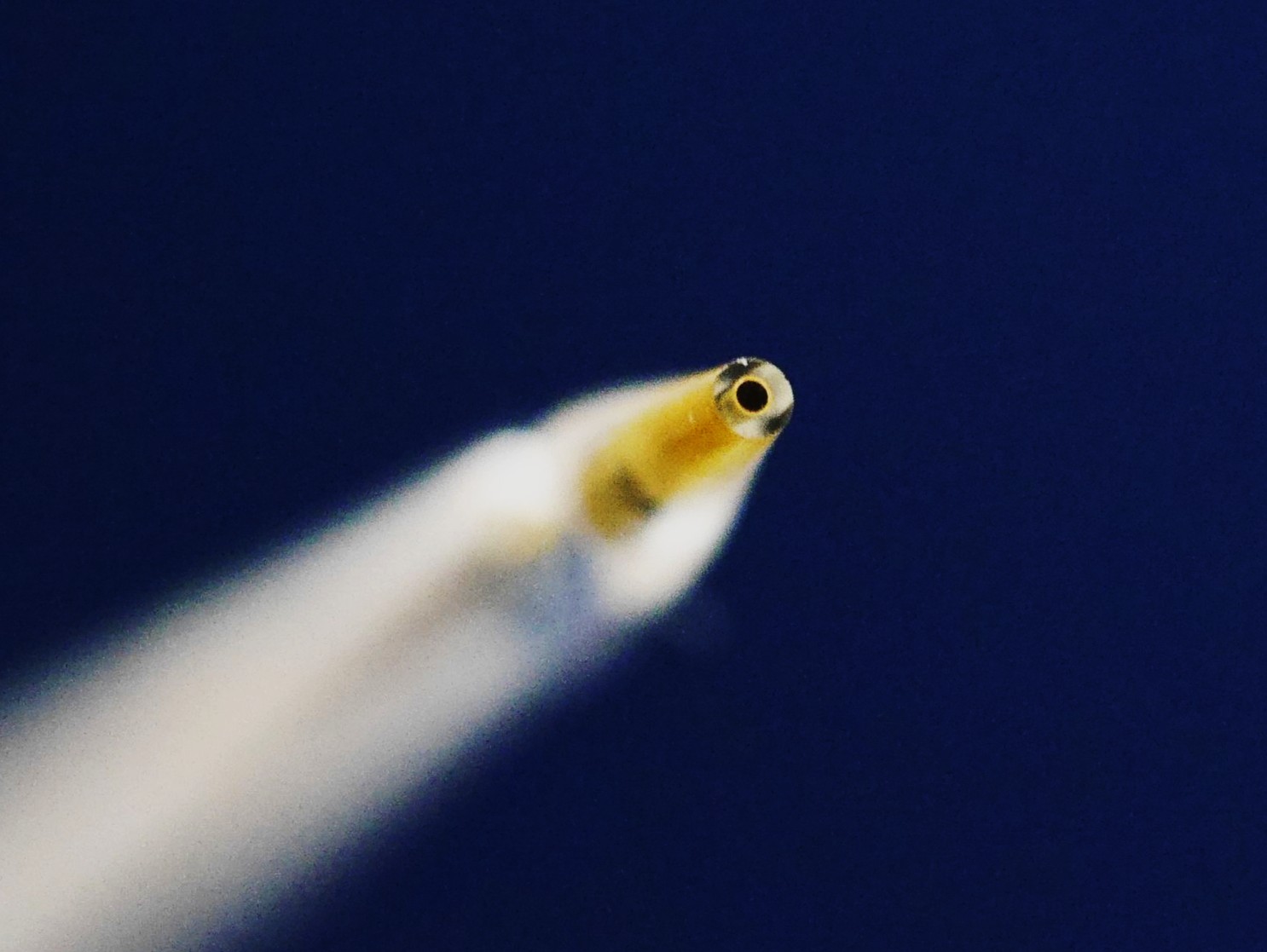
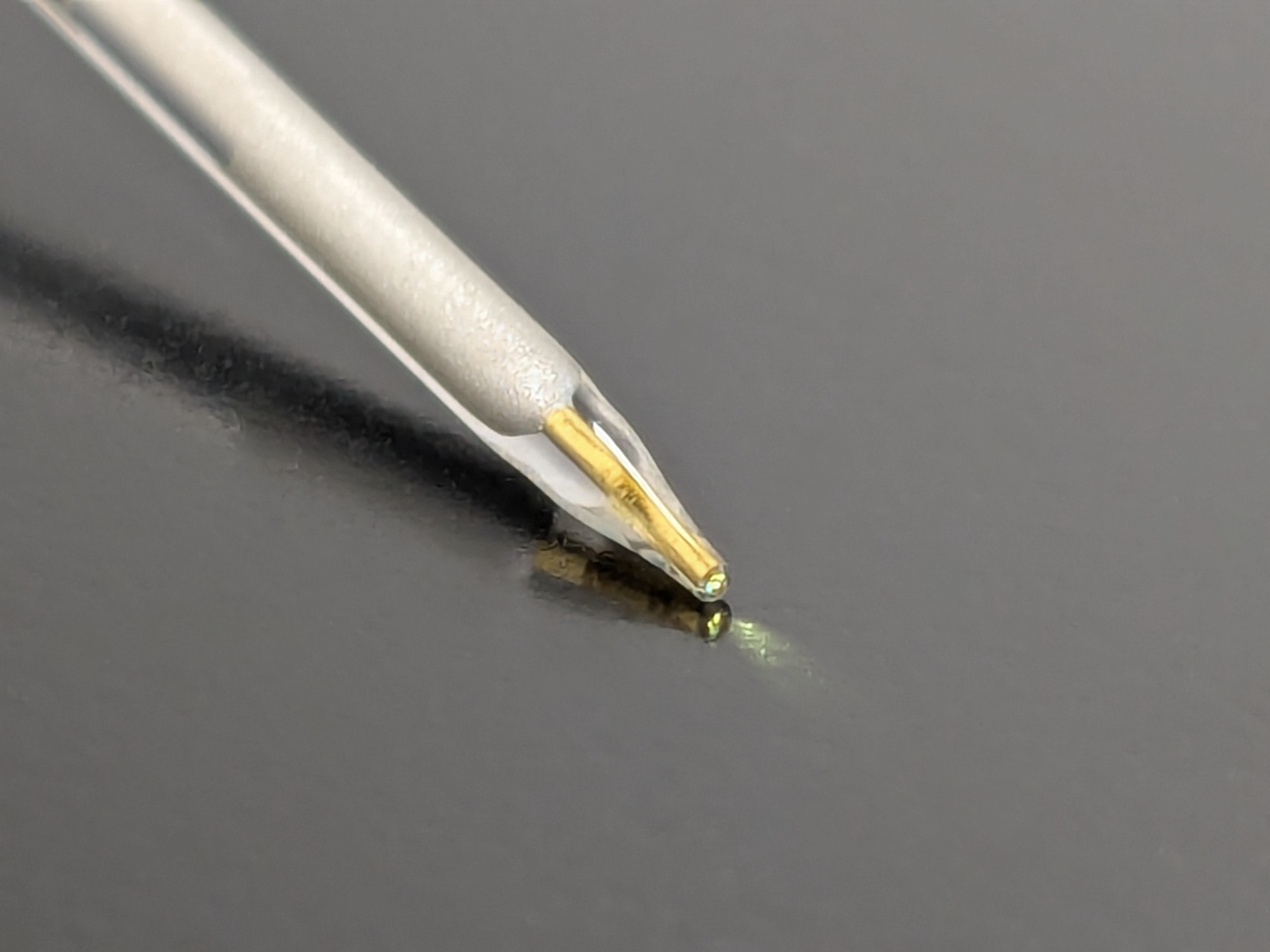
Option Scanning Photoelectrochemical Microscopy (SPECM) extends the SECM platform for localized photoelectrochemical experiments by combining electrochemical measurement with controlled light confinement at the sample interface. Using a gold ring microelectrode with integrated light fiber, the system enables simultaneous localized illumination and electrochemical investigation, allowing researchers to study light-responsive substrates with high spatial resolution.
This configuration is designed for applications where bulk illumination is not enough and local photoactivity matters. In SPECM, the light beam is confined to the region under the probe, enabling the investigation of heterogeneous photocatalysts, semiconductor interfaces, thin films, and coatings under defined electrochemical conditions. Both continuous and chopped illumination modes are supported, allowing steady-state and transient photoelectrochemical measurements.
The Option SPECM includes an optical fiber probe, a fiber-coupled LED light source with driver, a photodiode power sensor for optical calibration, and a PEEK measuring cell for sample polarization. Integrated into the modular Sensolytics SECM platform, this option offers a practical route to resolved photoelectrochemical analysis without the complexity of custom-built optical setups.
Key Features
- Localized photoelectrochemical excitation: The gold ring ultramicroelectrode integrated with an optical fiber enables spatially resolved illumination directly at the electrochemical measurement spot.
- Flexible illumination modes: Continuous and modulated (e.g., chopped) illumination for steady-state and transient photoelectrochemical experiments.
- Controlled light delivery and wavelength range: The fiber-coupled LED broadband source covers the visible wavelengths spectrum, enabling reproducible excitation conditions across different material systems.
- Quantitative optical calibration: An included photodiode power sensor allows the calibration of the light intensity at the sample, supporting reproducible and comparable measurements.
Technical Specifications
Sensolytics Base SECM
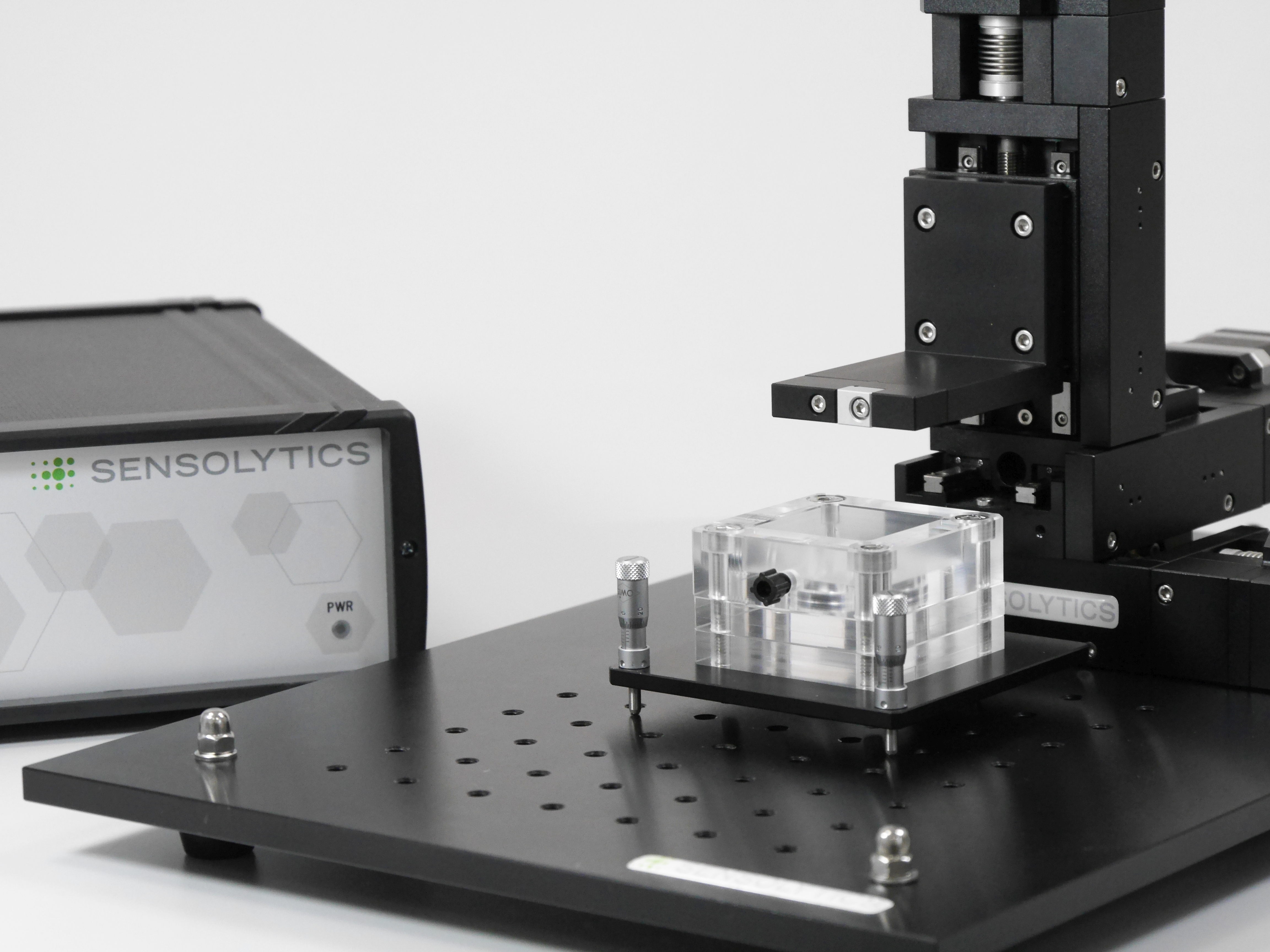
The complete scanning electrochemical microscopy (SECM) system providing high-resolution XYZ positioning, and intuitive software control for spatially resolved electrochemical measurements.
Explore →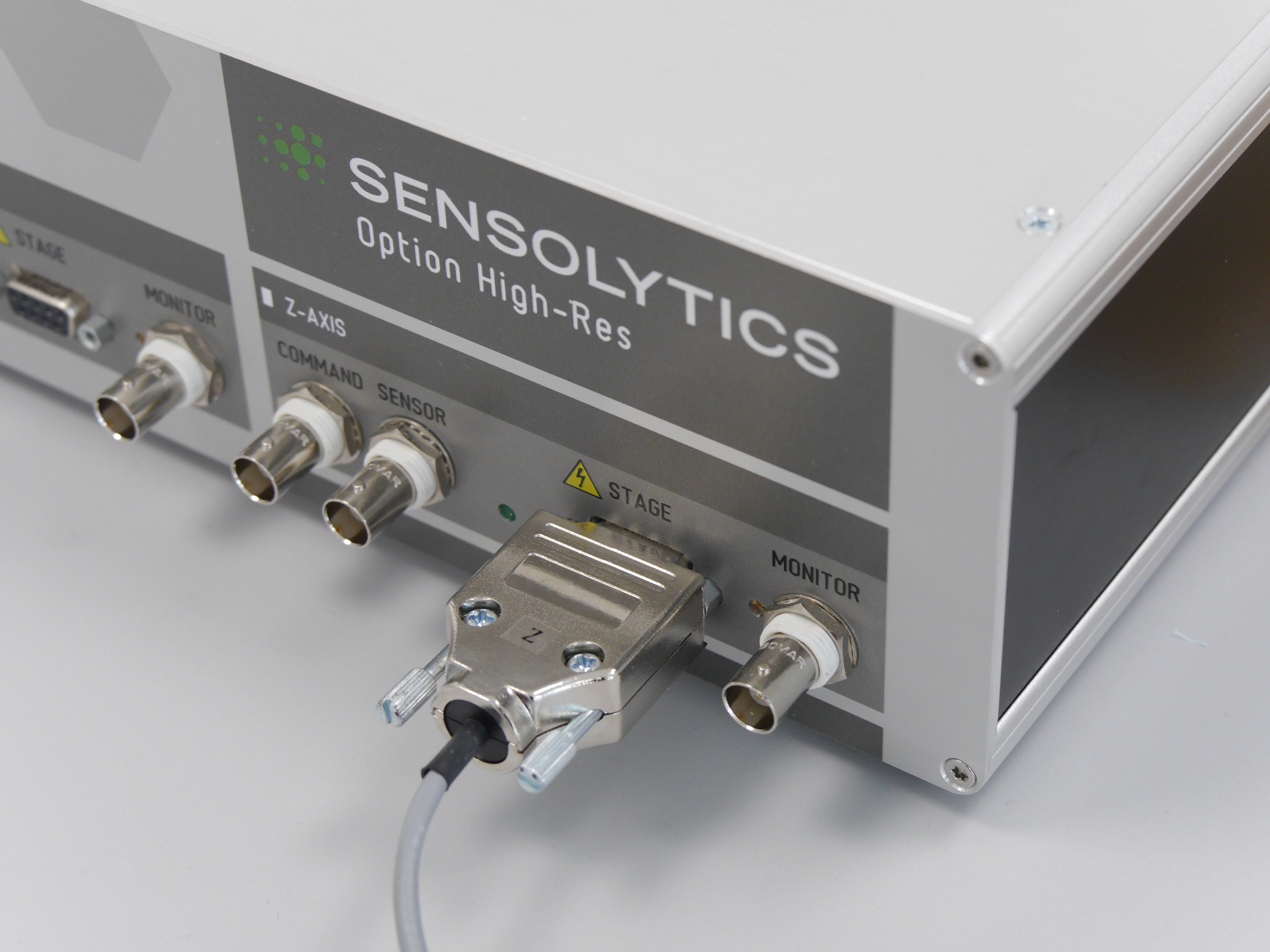
Option High-Res
Upgrade to a closed-loop piezoelectric positioning system for nanometer-scale imaging. The module provides 1.5 nm nominal resolution and 0.2 nm repeatability, using Silicon HR sensor for position feedback and enables software-based tilt correction.
Explore →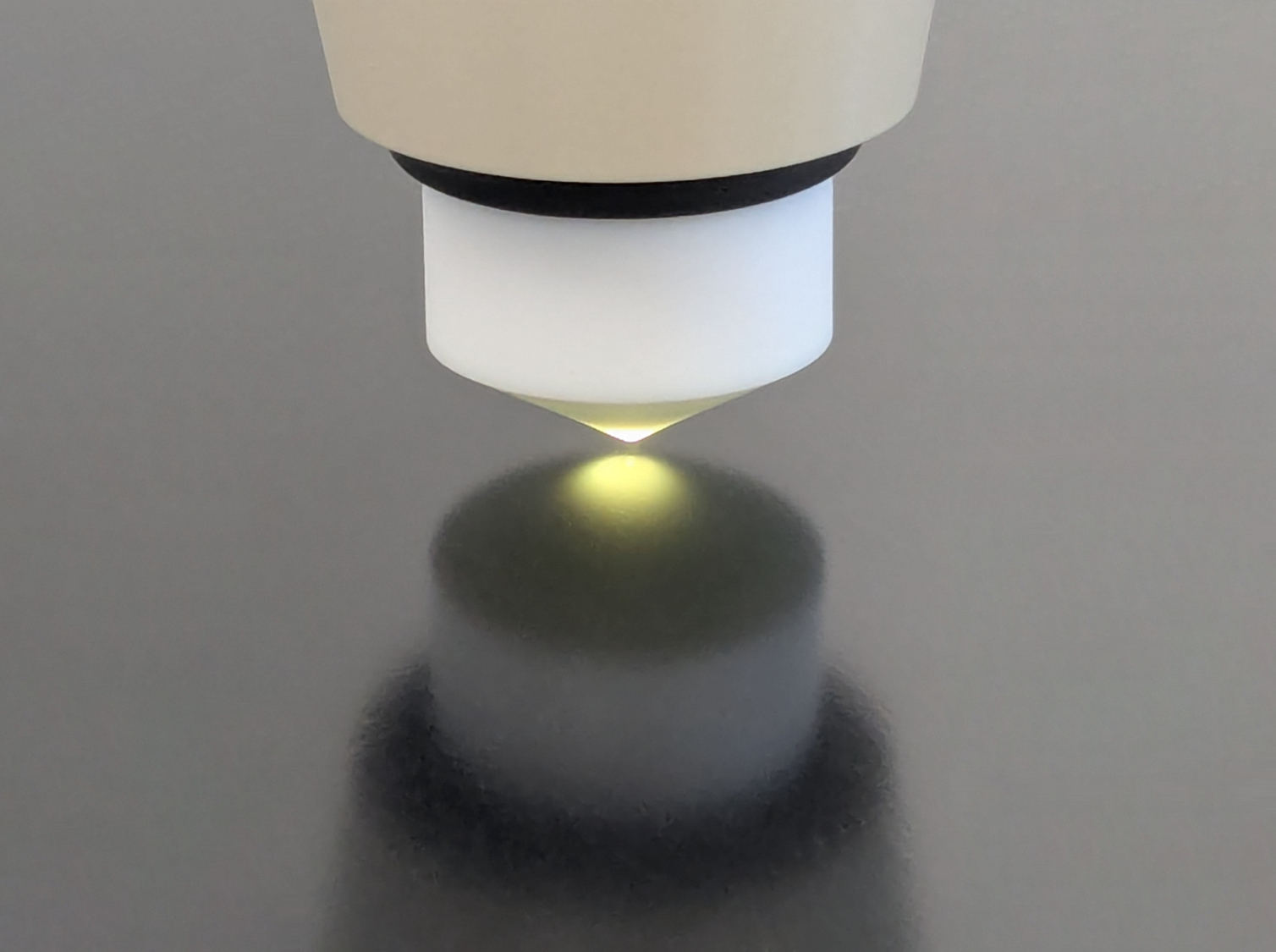
SDC Option Photoelectrochemistry
Perform localized photoelectrochemical measurements with controlled electrolyte contact and integrated optical fiber illumination, for spatially resolved analysis of light-driven electrochemical processes.
Explore →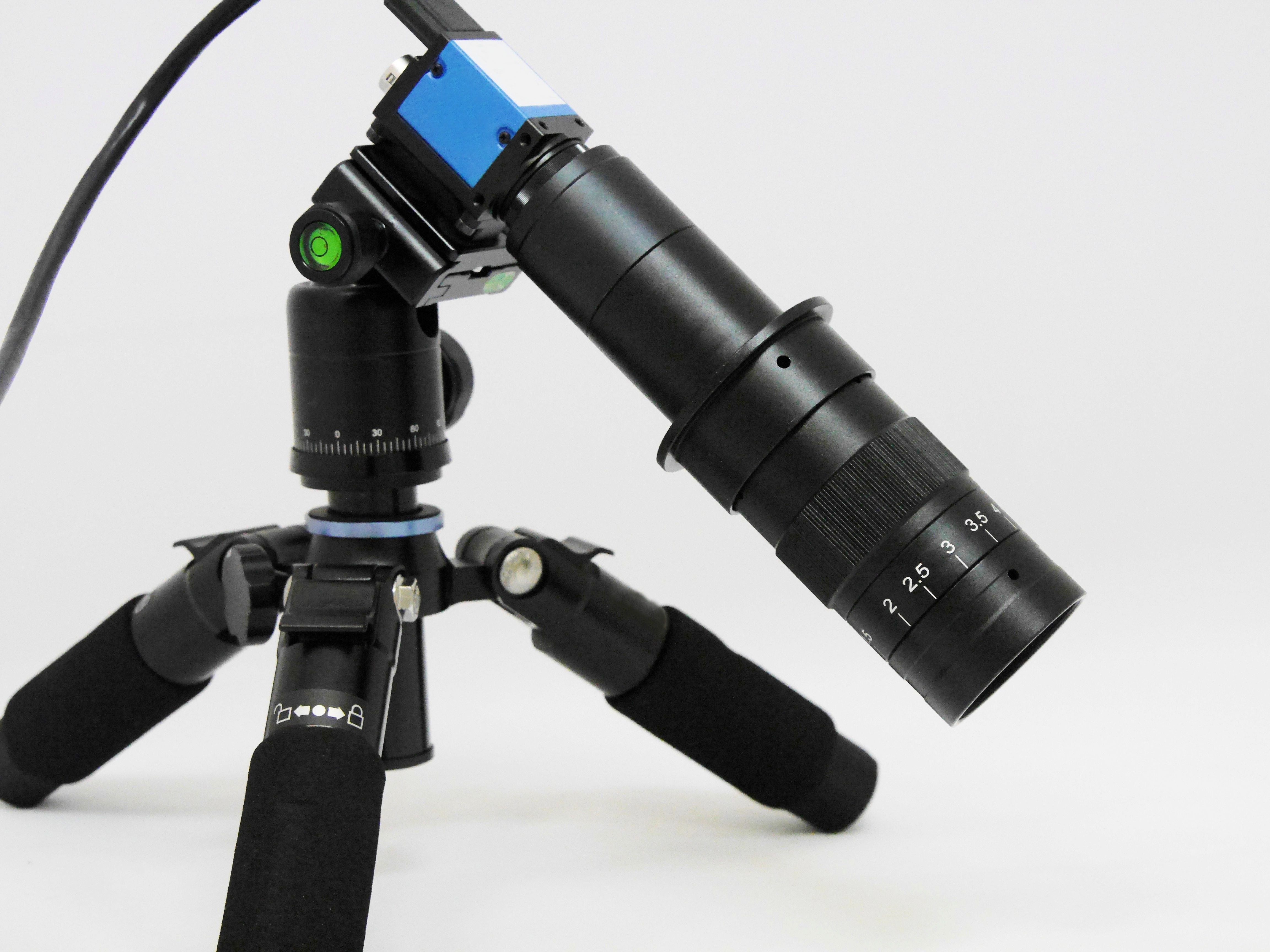
Option Video
The video macro system enables visual control of the sample alignment and probe positioning. It includes a manual zoom objective (1:0.7-4.5) with monochrome USB CCD camera, mounted on an independent stand for live view of the tip-sample interface.
Explore →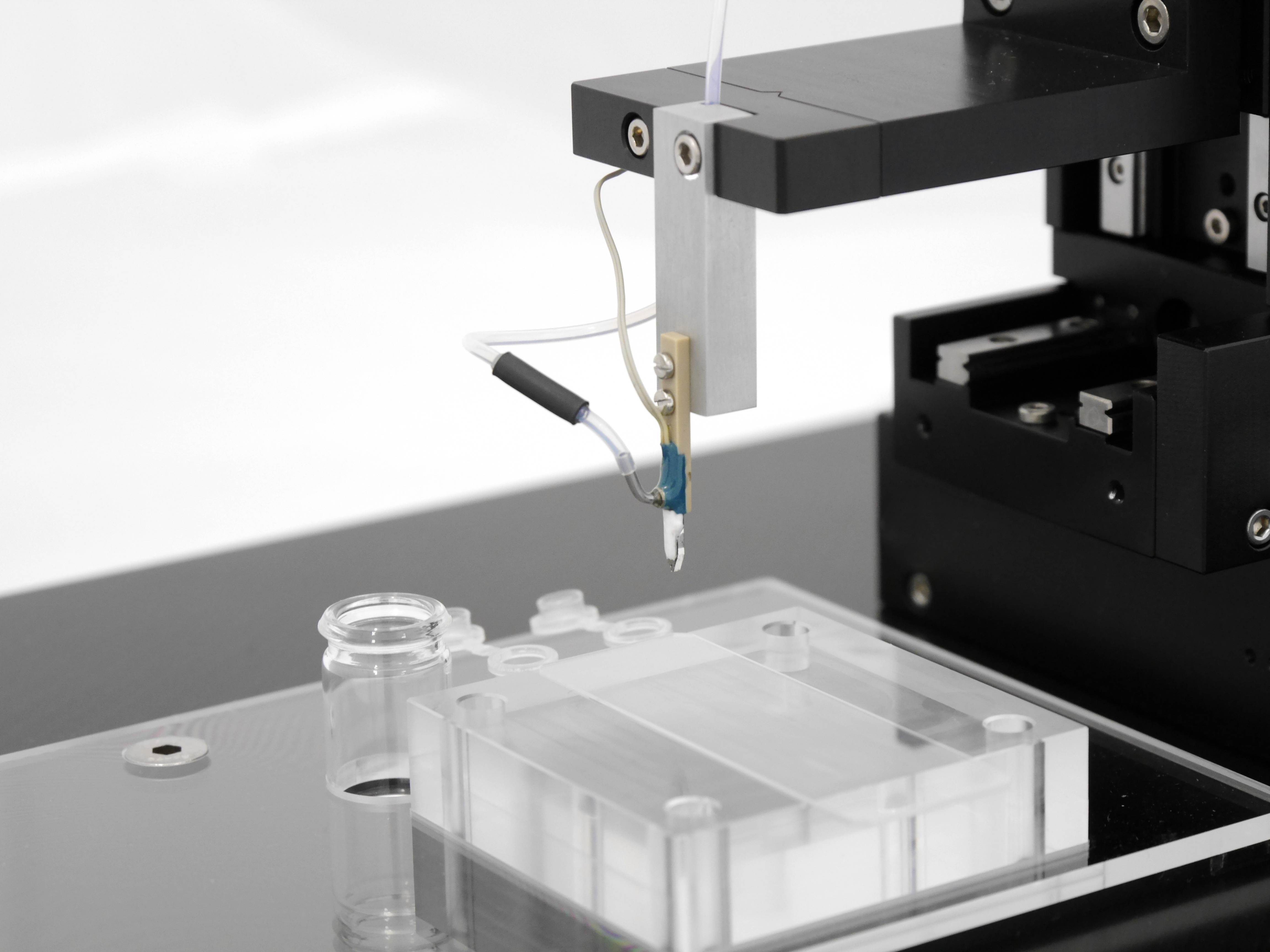
Picoplot Dispender
Piezoelectric dispensing system for precise deposition of picoliter droplets, enabling preparation of material libraries, combinatorial samples, and controlled placement of functional solutions.
Explore →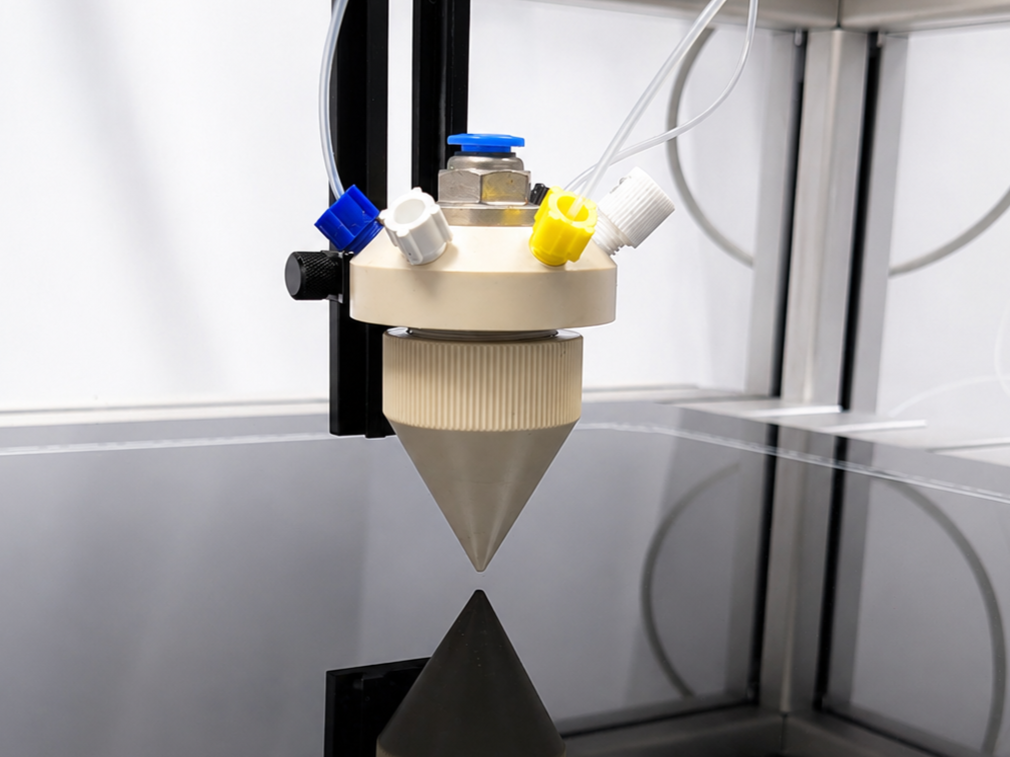
Spray Coater
Thin-film deposition system for controlled and uniform coatings. It allows reproducible preparation of functional layers, catalysts, or model surfaces for electrochemical and materials research.
Explore →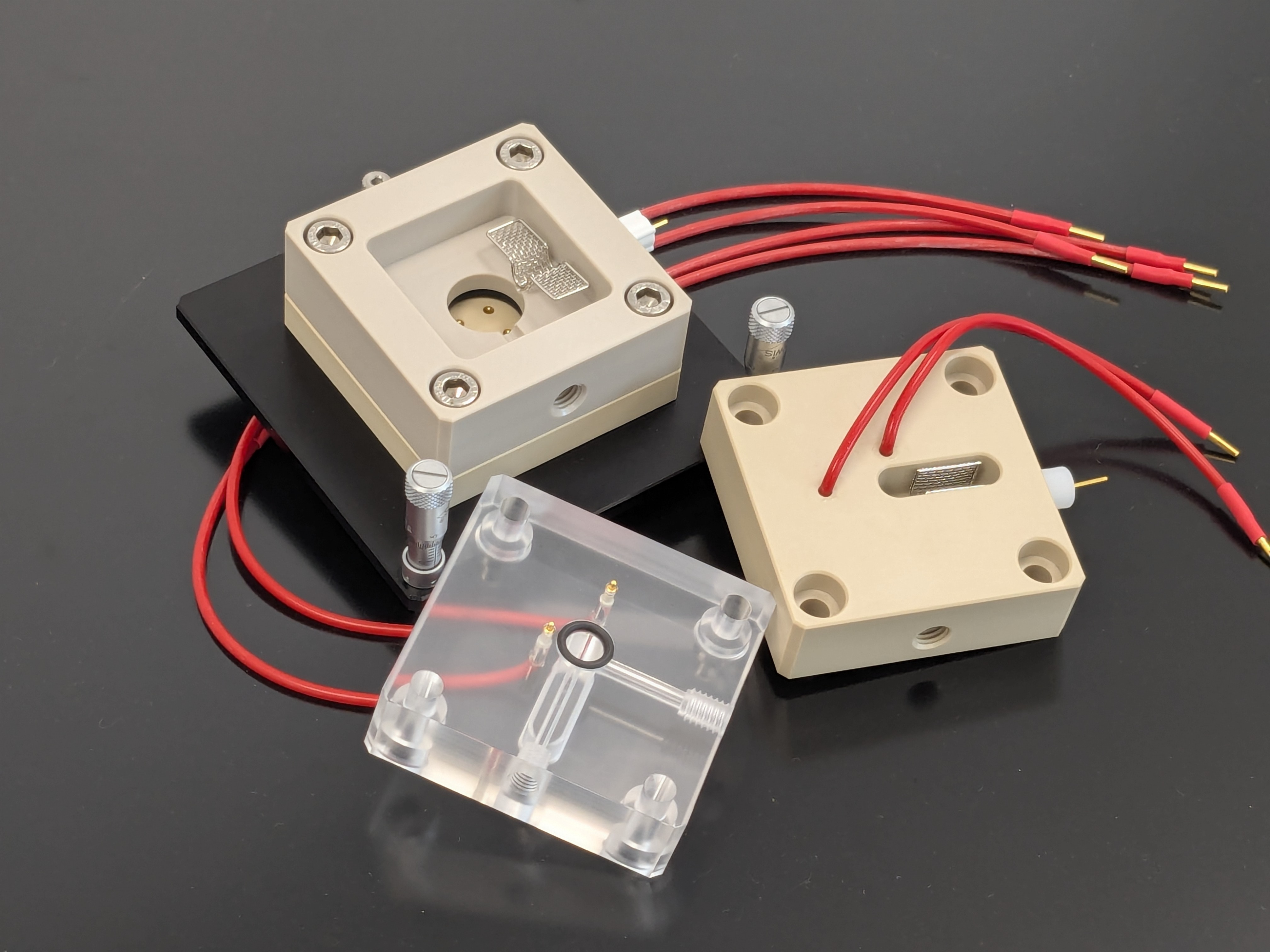
Polarization Cells
These electrochemical cells enable controlled sample polarization from the top or bottom and support the operation with macroelectrodes serving as substrates.
Explore →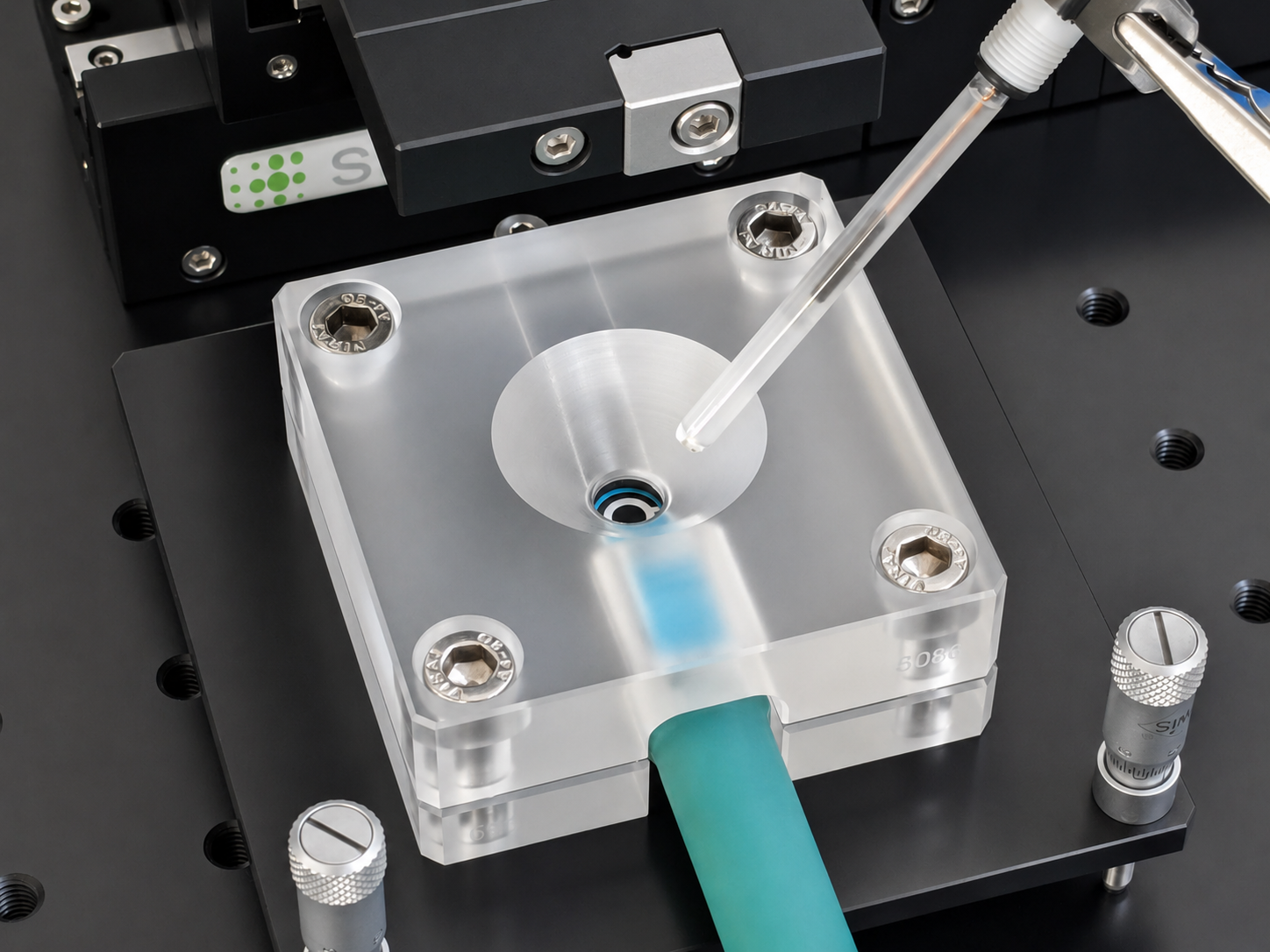
Specialized Cells
Our range of specialized SECM cells is tailored for application-specific experiments, including complete measuring cells optimized for screen-printed electrodes, temperature-controlled studies, and flow or gas-controlled experiments.
Explore →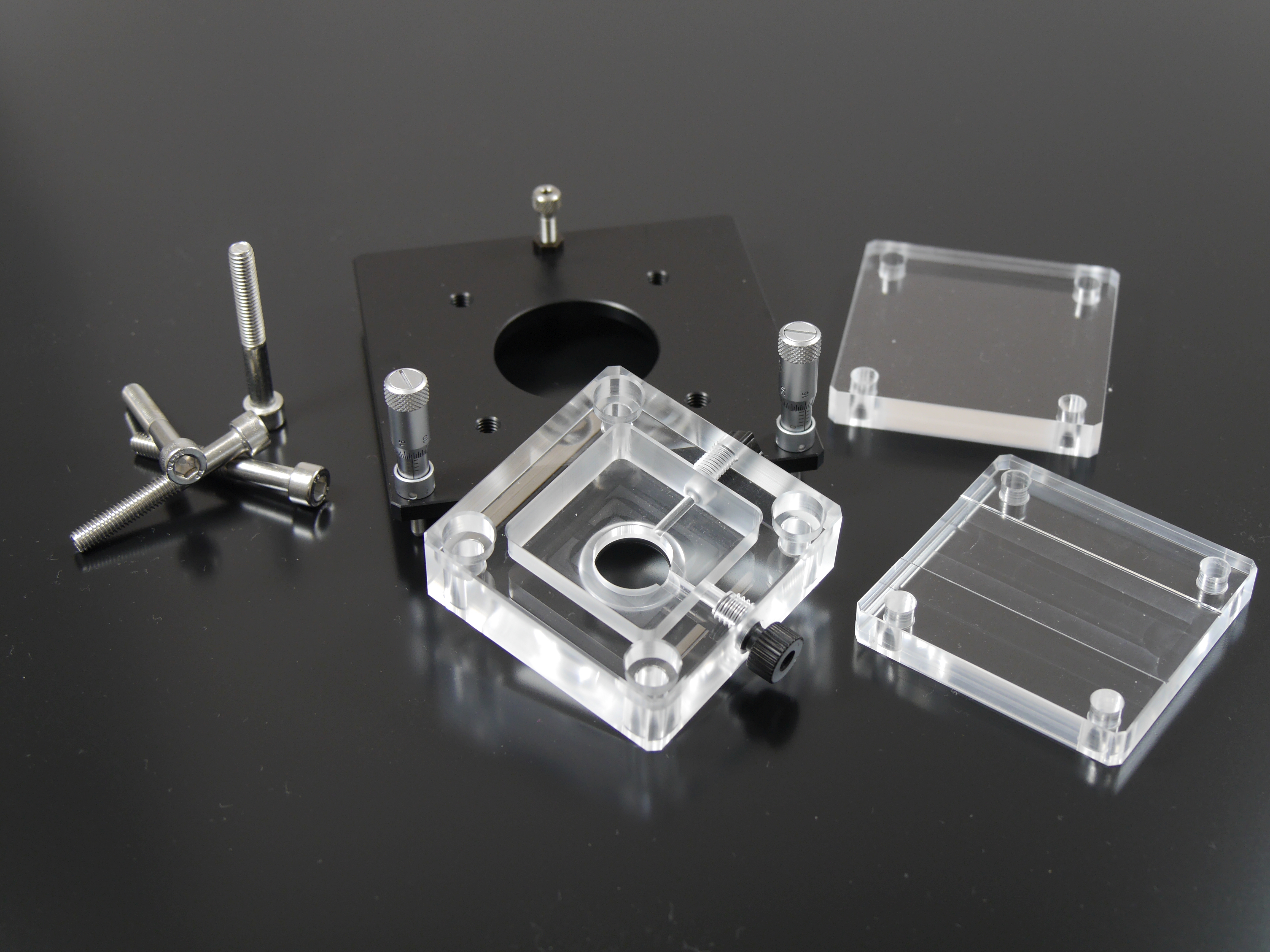
Standard Cells
Start with a complete electrochemical cell setup, including a baseplate for manual tilt correction, distance plates, and cells with integrated inlets for reference and counter electrodes. Available in standard PMMA or highly chemically resistant PEEK.
Explore →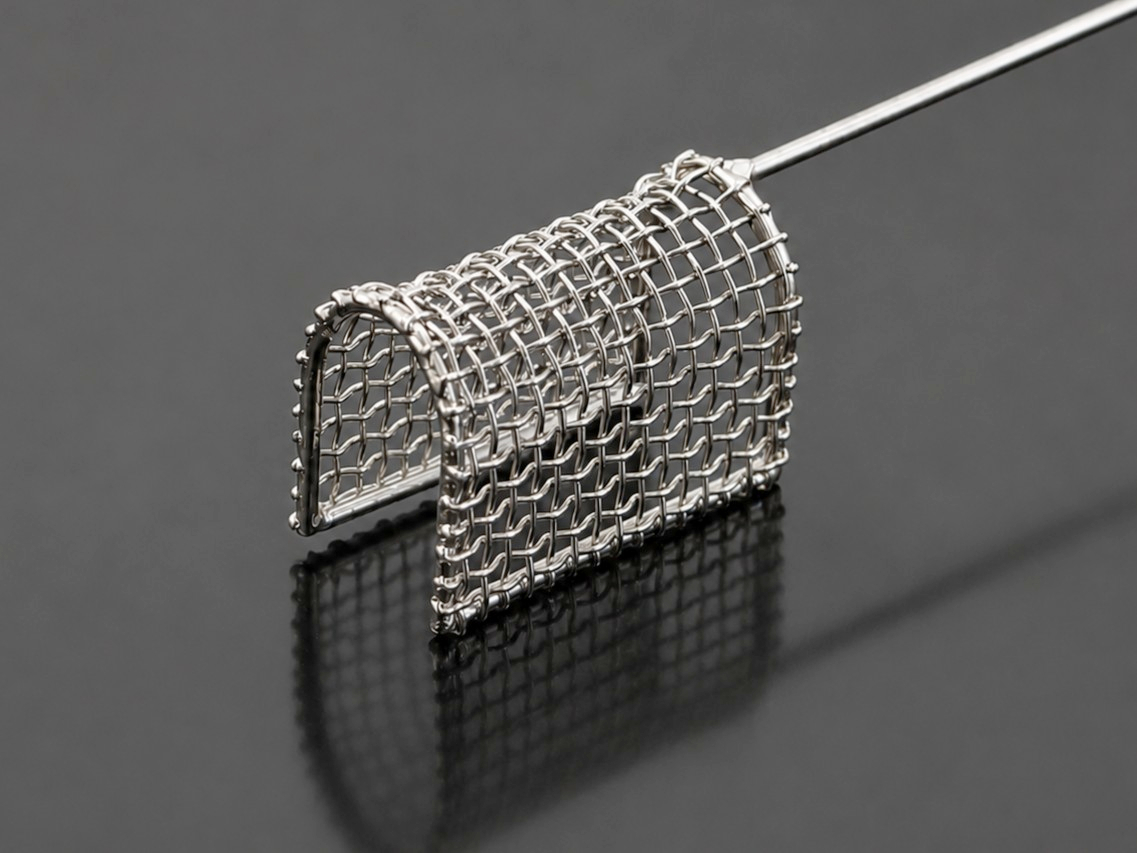
Auxiliary Electrodes
Explore a complete portfolio of miniaturized reference and counter electrodes for reliable electrochemical measurements. From aqueous and gel-based Ag/AgCl references to mini hydrogen electrodes, Pt nets, and compact Pt coil counter electrodes.
Explore →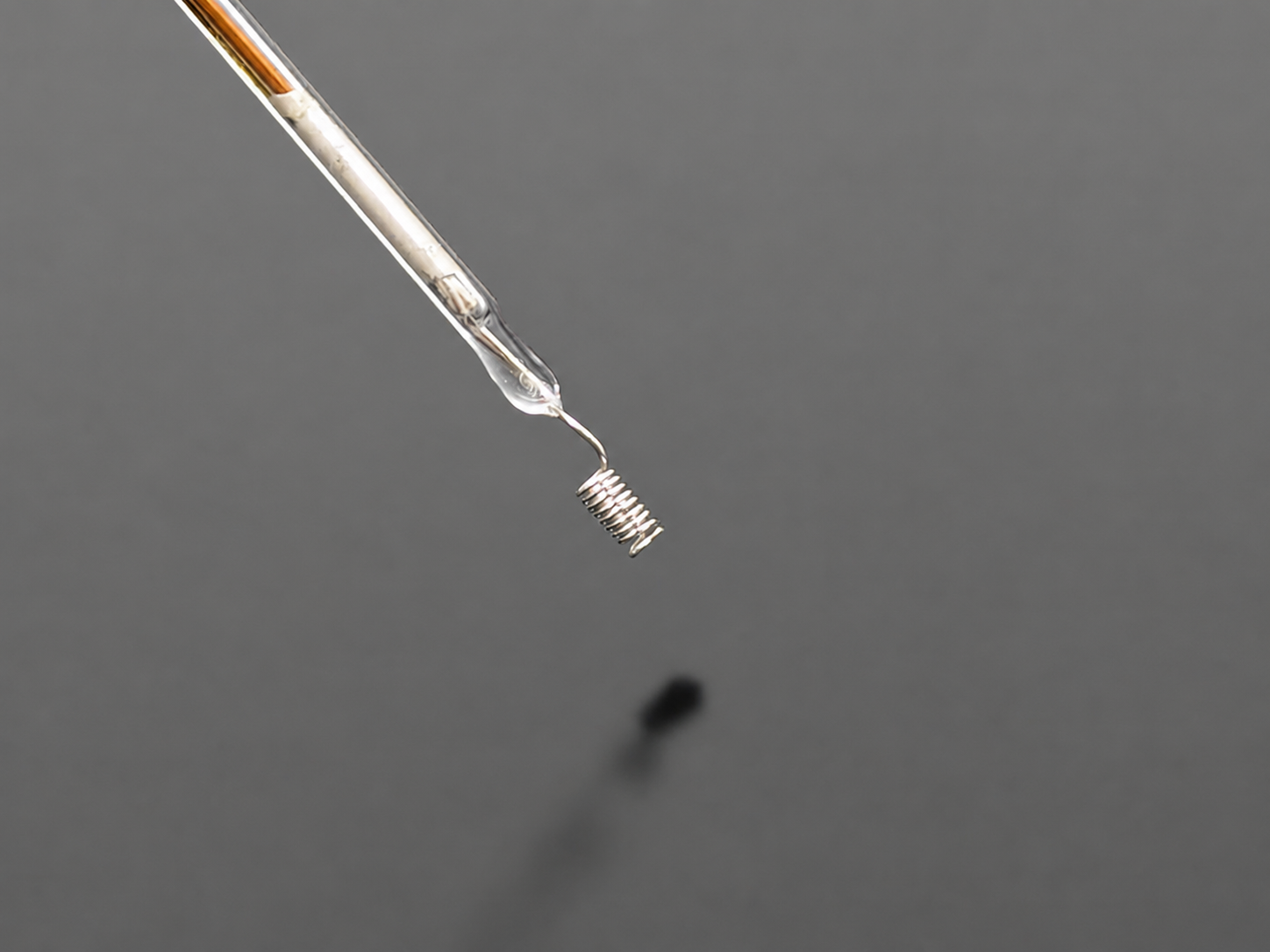
Platinum counter electrode
Miniaturized platinum counter electrode based on coiled high-purity Pt wire. Designed for all Sensolytics SECM measuring cells and SDC configurations.
Explore →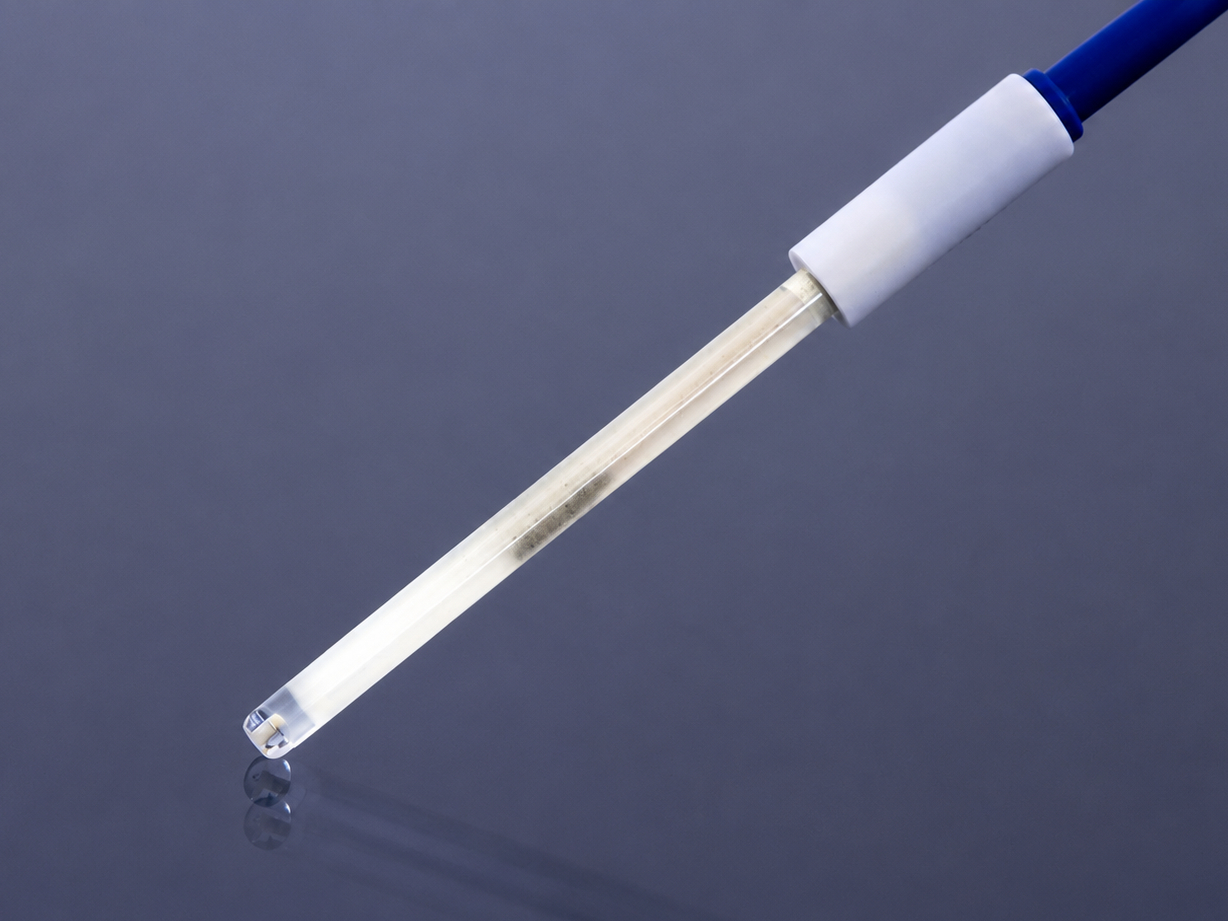
Ag/AgCl gel reference electrode
Miniaturized Ag/AgCl gel reference electrode for stable reference potentials. Optimized for the direct use in Sensolytics measuring cells.
Explore →Not sure which SECM configuration fits your experiment?
Contact us to discuss your application, experimental conditions, and configuration requirements. We support system selection and customization based on your individual requirements and future upgrades.
Frequently Asked Questions
The Option SPECM includes a gold ring microelectrode with integrated light fiber, a fiber-coupled LED light source with drivers, a photodiode power sensor with power meter for light intensity calibration, and a PEEK electrochemical cell with a platinum net electrode designed for controlled sample polarization under illumination.
All components are integrated into the SECM control software ↗, enabling synchronized operation of positioning, electrochemical measurement, and illumination within a single platform.
The SPECM is designed to perform localized photoelectrochemical measurements in which it is essential to resolve the spatial variations of light-driven processes. It allows for the correlation of local illumination with the electrochemical response at specific locations within the sample.
Typical applications include:
- Photocatalysts screening: Mapping local photoactivity of semiconductor materials, thin films, or catalyst libraries to identify active regions and heterogeneities
- Solar-to-chemical conversion studies: Detecting photogenerated species (e.g. redox-active intermediates) during processes such as water splitting or CO₂ reduction
- Bioelectrochemical systems: Probing light-driven electrochemical activity in biological systems at bio–abiotic interfaces, such as microbial cultures or biofilms
- Surface and coating analysis under illumination: Probing spatial variations in photoresponse of coatings, passive layers, corrosion studies or functional surfaces
Yes. In the Sensolytics Option SPECM, the LED light source supports continuous and modulated operation, including external triggering (TTL), enabling time-resolved and transient photoelectrochemical experiments.
Yes. The optical fiber probe is mounted in a glass capillary and designed for the application with the standard Sensolytics SECM electrode holders.
Yes. The Sensolytics Option SPECM is fully compatible with other Sensolytics upgrades, including high-resolution positioning (Option High-Res ↗) and the Inverse Microscope Upgrade ↗, enabling combined optical and electrochemical measurements under controlled experimental conditions.
SPECM is required when spatial variations in photoelectrochemical activity are relevant and cannot be resolved under uniform illumination.
In bulk illumination, the measured response represents an average over the entire illuminated area, masking local differences in activity, defects, or interfacial behavior. In SPECM, the light is delivered directly through the probe to a well-defined region, allowing the electrochemical response to be measured locally under controlled illumination. This becomes critical for heterogeneous or microstructured materials, patterned electrodes, and systems where local charge transfer or reaction rates vary across the surface.
